Assam CM Himanta Biswa Sarma recalls Doordarshan nostalgia on World Television Day
Synopsis
Assam CM Himanta Biswa Sarma's World Television Day post on X was a rare moment of bipartisan nostalgia — invoking Doordarshan Sundays that cut across political lines. It is also a reminder that India's public broadcasting legacy, begun in 1959, still carries emotional weight even as OTT platforms reshape how the country consumes content.
Key Takeaways
Assam CM Himanta Biswa Sarma marked World Television Day on 21 November with a nostalgic post on X about the Doordarshan era.
World Television Day is observed annually on 21 November , established by the UN General Assembly in December 1996 .
The day commemorates the first World Television Forum held at UN headquarters, New York , on 21–22 November 1996 .
Experimental television transmission in India began in Delhi on 15 September 1959 ; regular daily transmission started in 1965 .
Colour television was introduced in India in 1982 , coinciding with the Asian Games .
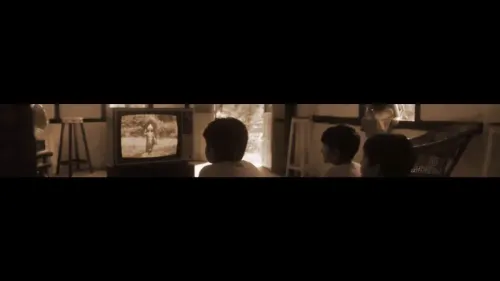
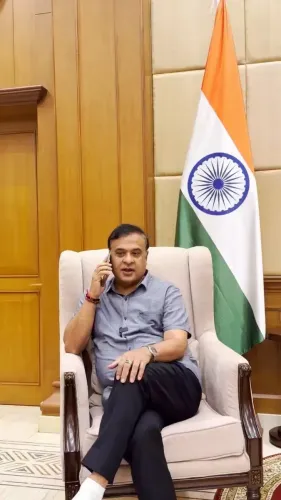
Assam Chief Minister Himanta Biswa Sarma on 21 November 2026 marked World Television Day by reflecting on the nostalgia of the Doordarshan era, evoking memories of Sunday serials and the anticipation of watching favourite shows in an age before streaming platforms existed. His remarks, shared on X, captured a sentiment widely shared across generations that grew up with public broadcast television.
What Sarma Said
In his post, the Chief Minister wrote: 'Remember the Doordarshan days, Sundays and the excitement of waiting for our favourite shows? Television has come a long way, but those memories remain timeless. On World Television Day, celebrating a medium that has been part of so many of our cherished memories.'
Sarma reflected on how television has evolved over the decades — from a limited source of entertainment and information into a major medium of communication — while noting that its place in collective memory endures.
Why World Television Day Is Observed
World Television Day is observed on 21 November every year, following a decision by the United Nations General Assembly in December 1996. The date commemorates the first World Television Forum, convened at the United Nations headquarters in New York on 21 and 22 November 1996.
The United Nations recognised television as a vital instrument for informing, educating, and shaping public opinion, as well as for drawing global attention to issues of peace, security, development, and cultural exchange. The observance also underscores television's continued relevance in an era dominated by digital platforms and mobile-based content consumption.
Doordarshan's Place in India's Broadcasting History
In India, Doordarshan — the country's public service broadcaster — holds an indelible place in the history of mass communication. Experimental television transmission began in Delhi on 15 September 1959, while regular daily transmission commenced in 1965.
A landmark moment came in 1982, when colour television was introduced in India, coinciding with the Asian Games hosted by the country. From mythological serials and Sunday prime-time shows to news bulletins and educational broadcasts, Doordarshan shaped India's shared cultural consciousness for decades.
Television's Relevance in the Digital Age
Despite the rapid growth of OTT platforms and social media, television continues to serve as a primary source of news, entertainment, and public information across the world. The global observance of World Television Day each year highlights that, even as screens multiply, the medium's social function remains undiminished.
Point of View
Suggesting that the nostalgia being marketed is not entirely apolitical.
NationPress
21 Nov 2026
Frequently Asked Questions
What did Assam CM Himanta Biswa Sarma say on World Television Day?
Himanta Biswa Sarma shared a post on X recalling the nostalgia of the Doordarshan era, particularly the excitement of watching favourite shows on Sundays. He described television as a medium that 'has come a long way' but whose memories 'remain timeless.'
When is World Television Day and why is it observed?
World Television Day is observed on 21 November every year, following a decision by the UN General Assembly in December 1996. It commemorates the first World Television Forum held at UN headquarters in New York on 21–22 November 1996, recognising television's role in informing, educating, and shaping global public opinion.
What is the history of Doordarshan in India?
Doordarshan is India's public service broadcaster, with experimental television transmission beginning in Delhi on 15 September 1959 and regular daily transmission starting in 1965. A major milestone was the introduction of colour television in 1982, coinciding with the Asian Games hosted by India.
Is television still relevant in the age of OTT and social media?
Yes, according to the United Nations and broadcasting experts, television continues to serve as a primary source of news, entertainment, and public information worldwide. Despite the rapid growth of online streaming services and mobile-based content, the medium retains significant reach and social function.