CM Himanta Promises Full Livestock, Handloom Compensation
Synopsis
Assam Chief Minister Himanta Biswa Sarma has pledged individual damage assessments and targeted compensation for flood-hit families who lost livestock and handlooms, going beyond the standard one-time relief payout under the state's flood response framework.
Key Takeaways
CM Himanta Biswa Sarma announced on 29 July 2026 that Assam will conduct household-level loss assessments for flood-affected families.
Compensation will cover livestock and handloom losses over and above the standard one-time financial relief already being disbursed.
The stated goal is restoring self-reliance to affected households at the earliest possible date.
Assam draws on the State Disaster Response Fund (SDRF) and central NDRF mechanisms for flood compensation.
Handloom weavers — predominantly women in the Brahmaputra valley — are among the most economically vulnerable to seasonal flood damage.
The key watch item is the pace of damage surveys and the timeline for additional compensation disbursement.
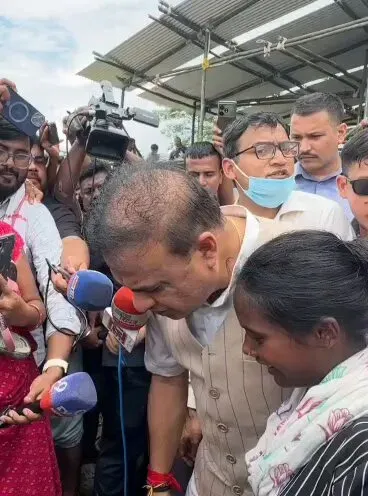
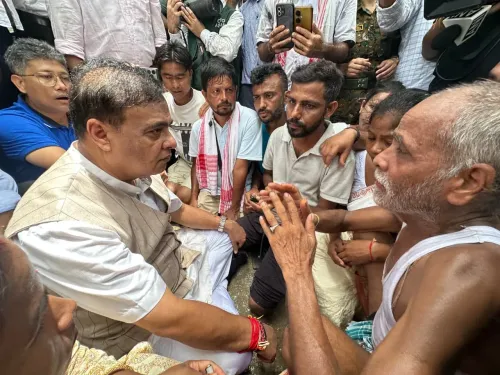
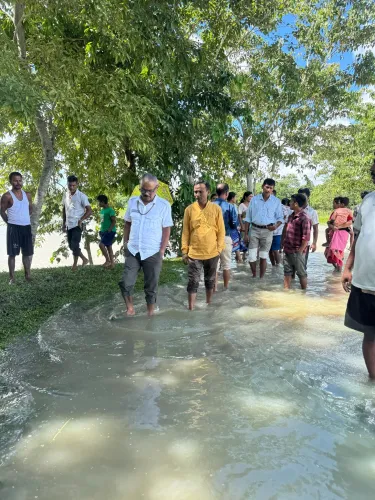
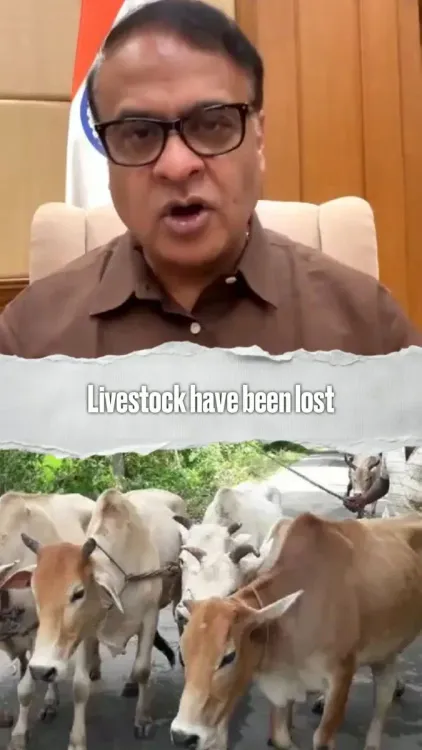
Livestock dead, looms silent, families staring at empty sheds — Assam Chief Minister Himanta Biswa Sarma on Wednesday, 29 July 2026 pledged that the state will go beyond one-time relief and assess every individual loss before disbursing compensation aimed at restoring self-reliance to flood-hit households.
Posting under #AssamFloodResponse, Sarma wrote: 'The loss of livestock and handlooms is a blow to our hardworking families. Over and above the one-time financial relief, we will assess every loss and ensure suitable compensation so self-reliance is restored at the earliest.' The language is deliberate — 'self-reliance' is not a throwaway phrase when you are talking about a handloom weaver whose loom is her only productive asset.
Why livestock and looms hit hardest
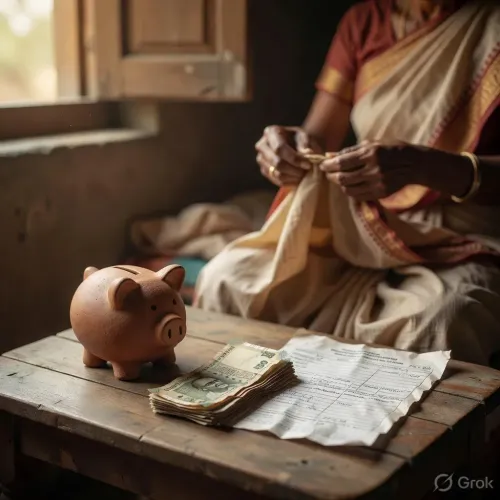
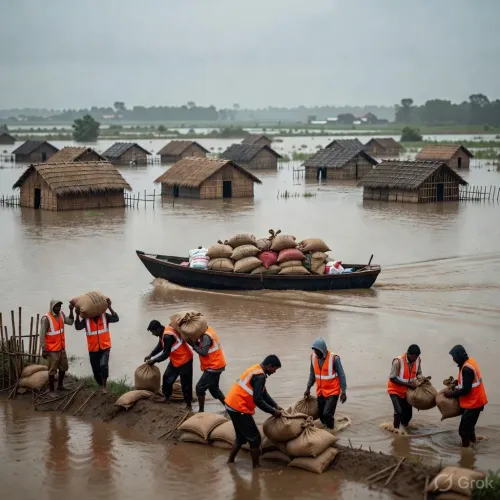
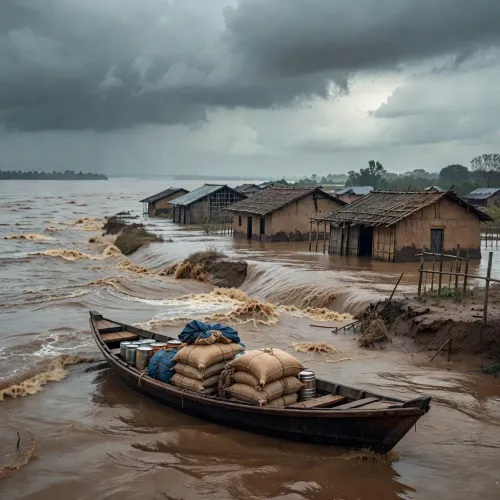
Every monsoon, the Brahmaputra and its tributaries spill across the floodplains of Assam, swallowing cattle sheds and submerging the bamboo-and-wood frames of traditional handlooms. For rural families, a cow or a buffalo is working capital; a loom is a small factory. When either is gone, income does not merely dip — it stops. The Brahmaputra valley is home to one of India's most distinctive handloom traditions, and weavers — predominantly women — operate at the margins where a single season's loss can tip a household into debt.One-time relief versus a full damage survey
Assam has historically drawn on the State Disaster Response Fund (SDRF) and central National Disaster Response Force (NDRF) activations to issue ex-gratia payments in the immediate aftermath of floods. What Sarma is now signalling is a second, more granular layer: a household-level loss assessment that goes beyond the flat ex-gratia rate. That distinction matters. A flat payment compensates for the fact of loss; a damage-assessed payment attempts to compensate for the scale of it — a small farmer who lost three cattle gets more than one who lost one. The critical question now is how quickly those surveys can be completed and when the additional disbursements will reach beneficiaries.A pattern older than any government
Assam's flood crisis is not a 2026 anomaly. Annual inundation is structural — a consequence of the Brahmaputra's extraordinary sediment load, shrinking floodplain absorption capacity, and concentrated monsoon rainfall across the eastern Himalayas. Successive state governments have combined emergency relief with post-flood surveys, yet the cycle repeats. What changes, year to year, is the speed and coverage of the survey-to-disbursement pipeline. That is precisely what affected families — and observers of Assam's disaster governance — will be watching in the weeks ahead. The looms will need to be rebuilt, the cattle replaced, and the accounts settled. The Chief Minister has made the commitment public; the audit of that promise begins now.Point of View
The political calculus is clear: flat relief is forgotten quickly, but a payment that reflects actual loss is remembered at the booth. The real test, however, is administrative: whether the state machinery can complete granular household surveys fast enough to matter before the next flood cycle begins. If the pipeline from assessment to disbursement stalls, the promise becomes a liability rather than an asset.
NationPress
28 Oct 2026
Frequently Asked Questions
What did Assam CM Himanta Biswa Sarma announce about flood compensation?
CM Sarma announced that the Assam government will assess every individual loss of livestock and handlooms caused by floods and provide suitable compensation beyond the standard one-time financial relief, with the aim of restoring self-reliance to affected families.
Which fund does Assam use for flood relief compensation?
Assam primarily draws on the State Disaster Response Fund (SDRF), supplemented by central National Disaster Response Force (NDRF) allocations, to issue ex-gratia and compensation payments to flood-affected households.
Why are handloom weavers especially vulnerable to Assam floods?
Handloom weavers — largely women in the Brahmaputra valley — depend on their looms as their sole productive asset. Flood damage to a loom halts income entirely, and replacing traditional equipment can push households into debt without targeted state support.
What is the difference between one-time relief and damage-assessed compensation in Assam floods?
One-time relief is a flat ex-gratia payment issued immediately after a disaster regardless of individual loss size. Damage-assessed compensation, as promised by CM Sarma, is calculated after a household-level survey and is meant to reflect the actual scale of each family's losses.
How often does Assam face flood damage to livestock and crops?
Flooding in Assam is an annual monsoon phenomenon driven by the Brahmaputra river and its tributaries. Livestock, crops, and cottage industries including handlooms suffer recurring losses every year across the floodplain districts.