Hooch Disaster in East Champaran: Death Toll Reaches Six
Synopsis
The hooch tragedy in East Champaran, Bihar, claims six lives, with many more hospitalized. Authorities take action against those responsible as the community grapples with the aftermath of this devastating event.
Key Takeaways
Death toll rises to six due to tainted liquor consumption.
More than 15 individuals are currently hospitalized.
Authorities have launched 'Operation Clean' to combat illegal liquor operations.
Significant administrative action has been taken against involved personnel.
Community remains in mourning and seeks accountability.
Patna, April 4 (NationPress) The atmosphere in certain regions of East Champaran in Bihar has taken a dark turn as the hooch tragedy escalates its devastating impact.
In the districts of Turkaulia and Raghunathpur, daily life is now marred by fear and sorrow, with the death toll climbing to six following the passing of another victim during medical treatment on Saturday.
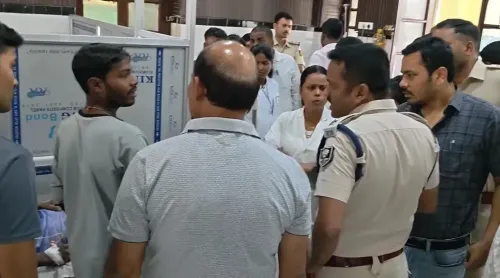
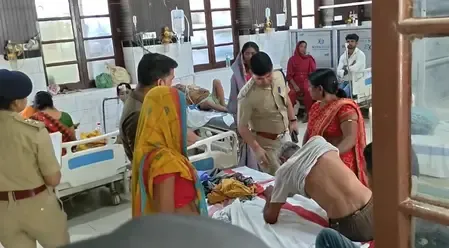
Currently, more than 15 people are hospitalized, battling for their lives, with some having permanently lost their eyesight.
The deceased include Pramod Yadav, Chandu Kumar, Parikshan Manjhi, Sampat Shah, Heeralal Mahto, and Lal Kishore Yadav, all of whom consumed tainted liquor on April 1, leading to their health decline on April 2.
Chandhu Kumar and Pramod Yadav passed away on April 2, while Parikshan Manjhi, Sampat Shah, and Heeralal Mahto lost their lives on April 3, and Lal Kishore Yadav succumbed on April 4.
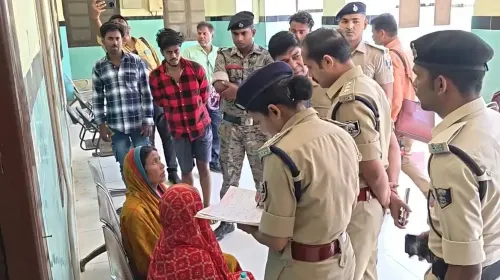
As law enforcement and medical personnel work diligently on-site, this incident has rekindled serious discussions regarding enforcement and administrative responsibility.
As the investigation unfolds, alarming revelations have surfaced.
In a notable disciplinary measure, the Station House Officer (SHO) of the Turkaulia police station has been suspended, and a village watchman has been apprehended.
Disturbingly, the watchman was reportedly in collusion with liquor smugglers, illustrating how those assigned to ensure safety became complicit in the illegal activities.
During operations, authorities confiscated nearly 700 liters of highly toxic spirit, the same substance believed to have contributed to the fatalities.
Officials assert that prompt intervention could have averted this tragedy.
Thus far, over a dozen individuals, including Naga Rai, the supplier of the illicit liquor, have been detained.
The police have initiated a broad enforcement effort, dubbed “Operation Clean,” featuring ongoing raids, surveillance, and intelligence gathering to dismantle the illicit network at its core.
Nevertheless, beyond the arrests and confiscations, the tragedy prompts deeper inquiries: How did such a significant illegal operation flourish despite prohibition? And how many more hidden networks may still be operating?
For the moment, Motihari is engulfed in mourning—straddling the line between grief, anger, and the hope for accountability following this heartbreaking loss.
A profound silence looms over the affected villages—houses filled with sorrow, streets hushed, and an overwhelming sense of loss prevails.
Point of View
Authorities must demonstrate a commitment to preventing such tragedies in the future. The community's pain underscores the urgent need for effective measures against illegal liquor operations.
NationPress
13 Oct 2026
Frequently Asked Questions
What led to the hooch tragedy in East Champaran?
The tragedy stemmed from the consumption of spurious liquor on April 1, leading to severe health complications for many individuals.
How many people have died due to the hooch tragedy?
As of now, the death toll has reached six individuals.
What actions have been taken by authorities?
Authorities have suspended the Station House Officer of Turkaulia police station and arrested a village watchman involved with liquor smugglers.
What is 'Operation Clean'?
'Operation Clean' is a crackdown initiative by the police to dismantle the illicit liquor network through continuous raids and surveillance.
Are there any ongoing arrests related to this incident?
Yes, over a dozen individuals, including the supplier of the illicit liquor, have already been arrested.