HP CM Office: ₹1,500/month aid reaches Spiti Valley families
Synopsis
The Himachal Pradesh CMO has confirmed that needy families in remote Spiti Valley receive ₹1,500 per month under the Mukhya Mantri Apna Parivar Sukhi Parivar Yojana, with unenrolled households set to be brought into the scheme.
Key Takeaways
₹1,500 per month in direct financial assistance is being disbursed to needy families in Spiti Valley , Himachal Pradesh.
The support flows through the Mukhya Mantri Apna Parivar Sukhi Parivar Yojana , a state government direct-benefit scheme.
The scheme is ongoing — the CMO confirmed it is 'work in progress' with active expansion.
Families not yet enrolled in the scheme will be included in the next phase of outreach.
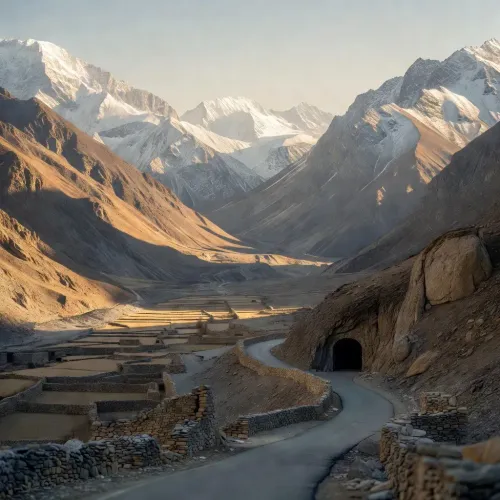
Spiti Valley in Lahaul and Spiti district sits above 3,800 metres, making it one of India's most geographically isolated and economically vulnerable regions.
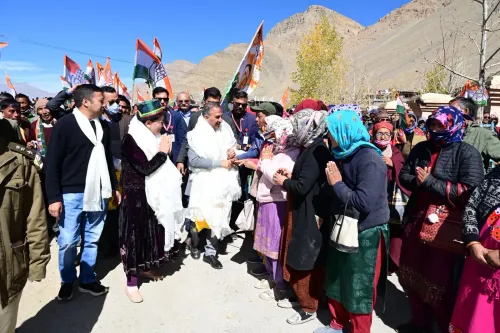
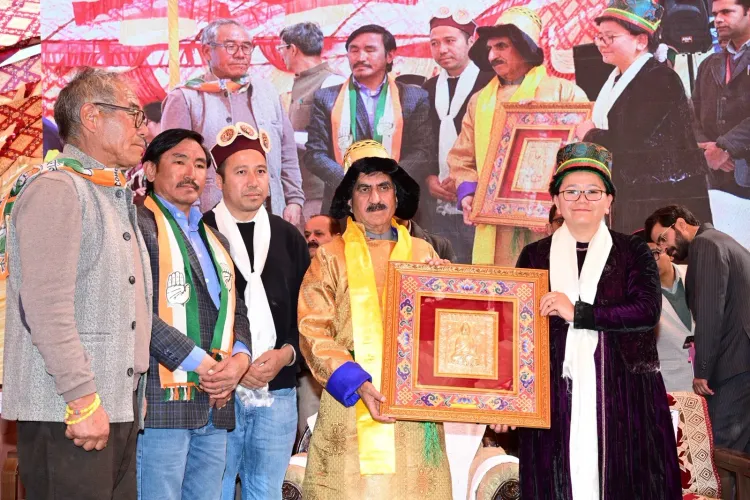
In one of India's most remote and frost-bound corners, money is reaching people who need it most. The Chief Minister's Office of Himachal Pradesh announced on Wednesday, 14 October 2026 that needy residents of Spiti Valley are receiving ₹1,500 per month in direct financial assistance — and that families still outside the scheme will be brought in.
What the Spiti aid covers and who gets it
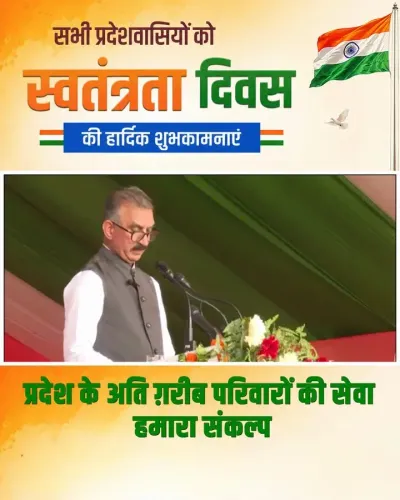
The assistance flows through the Mukhya Mantri Apna Parivar Sukhi Parivar Yojana — the state government's direct-benefit scheme aimed at economically vulnerable households. The CMO's post, in Hindi, stated plainly: 'स्पीति घाटी के जरूरतमंद भाइयों-बहनों को हर महीने 1,500 रुपये की आर्थिक सहायता दी जा रही है' ('Needy brothers and sisters of Spiti Valley are being given financial assistance of ₹1,500 every month'). The message also confirmed the scheme is 'work in progress' — a live, expanding programme, not a completed rollout.
Spiti Valley, nestled in the Lahaul and Spiti district of Himachal Pradesh, sits at altitudes exceeding 3,800 metres. Buddhist communities here face some of the harshest winters in the country, limited agricultural seasons, and near-total geographic isolation for months at a time — conditions that make formal employment scarce and cash access genuinely difficult.
Closing the gaps: families yet to be enrolled
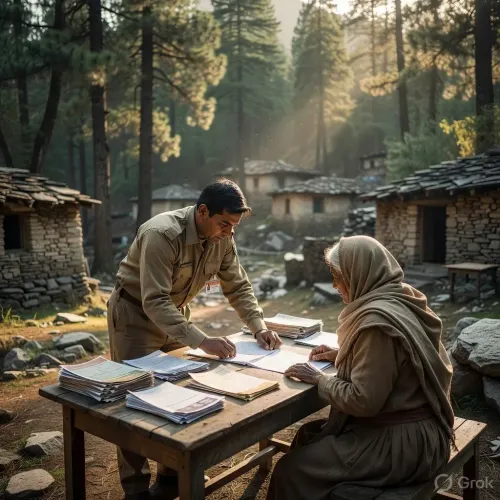
The most significant line in the announcement is a commitment to inclusion: families who have not yet been enrolled will be brought under the scheme. This signals an active outreach drive rather than a passive registration window — acknowledging that in remote tribal terrain, bureaucratic reach often lags behind policy intent. Himachal Pradesh has historically used targeted cash-transfer programmes for high-altitude and tribal pockets precisely because standard delivery infrastructure does not penetrate deep enough.
Monthly direct-benefit transfers of this kind sit within a well-established pattern across Indian states — small but steady amounts that cushion households against seasonal income shocks without displacing local economic activity. At ₹1,500 per month, the support is modest by urban standards, but for a family in a valley where the nearest market may require hours of travel, it carries real weight.
With the administration signalling that coverage will widen, the next benchmark is whether eligible households — particularly those in the most isolated micro-settlements — are reached before another harsh Himalayan winter closes in.
Point of View
Visible delivery of a chief-minister-branded welfare scheme in a remote Buddhist valley carries both administrative and political significance — demonstrating governance reach in regions that often feel peripheral to Shimla's policymaking. The explicit commitment to enrol uncovered families is the sharper policy signal: it acknowledges implementation gaps honestly rather than declaring mission accomplished. Whether ground-level outreach machinery can match that promise before winter cuts off access to Spiti's interior settlements is the real test of delivery intent.
NationPress
14 Oct 2026
Frequently Asked Questions
What is the Mukhya Mantri Apna Parivar Sukhi Parivar Yojana in Himachal Pradesh?
It is a Himachal Pradesh government welfare scheme that provides monthly direct cash assistance of ₹1,500 to economically needy families, with a focus on expanding coverage to households not yet enrolled.
Who is eligible for the ₹1,500 monthly assistance in Spiti Valley?
Needy families in Spiti Valley are the stated beneficiaries. The government has also indicated that families who have not yet been enrolled will be brought into the scheme.
Where is Spiti Valley located in India?
Spiti Valley is located in the Lahaul and Spiti district of Himachal Pradesh, at altitudes above 3,800 metres, and is one of India's most remote and geographically isolated regions.
How can unenrolled families join the Sukhi Parivar Yojana in Himachal Pradesh?
The CMO has stated that families not yet part of the scheme will be included; residents can approach their local administration for registration details and updates on eligibility criteria.
Is the Mukhya Mantri Apna Parivar Sukhi Parivar Yojana a new scheme?
The scheme is described as ongoing, with the government actively working on expanding its coverage rather than announcing a fresh launch.