HP CM's Office Promises Spiti Tunnel and Natural Farming Push
Synopsis
At a public rally in Kaza on October 14, 2026, the Himachal Pradesh CMO pledged a tunnel to ease Manali connectivity and announced plans to develop Spiti Valley as a dedicated natural-farming zone, linking infrastructure and agriculture in one economic vision for the remote district.
Key Takeaways
The Chief Minister's Office of Himachal Pradesh announced a tunnel project to connect Spiti Valley with Manali , promising year-round road access for local residents.
The announcement was made at a public rally at Ladaraja Maidan, Kaza on October 14, 2026 .
Spiti Valley sits above 4,000 metres and is currently cut off by snow for several months each year when passes close.
The government also pledged to develop Spiti as a natural-farming zone , citing the valley's unique natural conditions and potential.
The commitment echoes the impact of the Atal Tunnel , inaugurated in 2020 , which gave Lahaul Valley all-weather Manali connectivity.
Tendering and survey announcements for the tunnel, and natural-farming pilot rollouts in Kaza subdivision, will be the key milestones to watch.
A tunnel connecting Spiti Valley to Manali and a dedicated push for natural farming in one of India's most remote high-altitude regions — that was the message delivered at a public rally in Kaza on Wednesday, October 14, 2026. The Chief Minister's Office of Himachal Pradesh announced both commitments from Ladaraja Maidan, Kaza, the administrative heart of Lahaul and Spiti district.
The post, shared by the official CMO Himachal Pradesh account, stated: 'Tunnel banne se Manali tak aavagaman aasan hoga aur sthaniya logon ko badi suvidha milegi' — 'Once the tunnel is built, travel to Manali will become easier and local residents will gain great convenience.' In the same breath, it promised to develop Spiti Valley as a dedicated natural-farming zone, citing the region's distinctive natural conditions and potential.
Why a Tunnel to Manali Changes Everything for Spiti
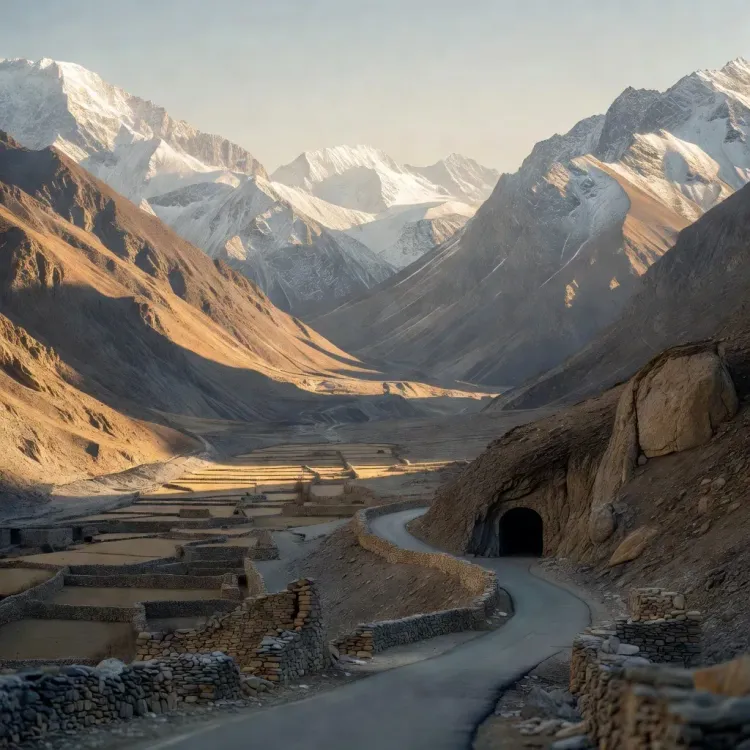
Spiti Valley sits above 4,000 metres and is cut off from the rest of Himachal Pradesh for months every winter, when snow shuts the roads through Rohtang Pass and the Kunzum Pass. The valley's roughly 12,000 residents depend on supply runs completed before the passes close — a reality that shapes everything from food prices to medical access. A dedicated tunnel to Manali would replicate, for Spiti, what the Atal Tunnel did for the Lahaul Valley after its 2020 inauguration: year-round road access to the plains, lower logistics costs, and a tourism season that no longer ends with the first snowfall.
The Himalayan belt's tunnel-first infrastructure logic has been building for years. State governments from Uttarakhand to Arunachal Pradesh have turned to bored tunnels as the only durable answer to seasonal closures — and Himachal Pradesh has been among the most aggressive practitioners, with the Atal Tunnel setting both the template and the political benchmark.
Spiti as a Natural-Farming Zone: The Pitch from Kaza
The second announcement is quieter but carries its own significance. Spiti's thin, glacially-derived soils and extreme cold have historically kept chemical-input agriculture marginal. The CMO's pledge to formally develop the valley as a natural-farming region — no synthetic fertilisers, no pesticides — would align Spiti with a broader Himachal Pradesh push toward low-input, high-value mountain agriculture. The state has already positioned natural farming as a flagship rural programme, and Spiti's clean-air, clean-water profile makes its produce a potential premium commodity for urban and export markets.
For local farmers, the combination matters: connectivity without chemical farming would simply mean faster routes to markets with nothing new to sell. Natural farming without connectivity leaves produce stranded. Announced together from Ladaraja Maidan, the two pledges form a single economic argument for Spiti's next decade.
The tendering and survey phase for the tunnel, and the rollout of pilot natural-farming plots across Kaza subdivision, will be the first concrete tests of whether Wednesday's rally language translates into ground action.
Point of View
While natural-farming pledges offer near-term, tangible dividends for local farmers. The unanswered question is sequencing — whether surveys and tendering for a Spiti tunnel will proceed at the pace the rally language implies, or whether the announcement is aspirational scaffolding ahead of electoral cycles. Himachal Pradesh's fragile hill terrain has a history of project announcements that outlive multiple political terms before breaking ground.
NationPress
14 Oct 2026
Frequently Asked Questions
What tunnel is being planned for Spiti Valley in Himachal Pradesh?
The Himachal Pradesh government has announced a tunnel project to improve connectivity between Spiti Valley and Manali, aiming to provide all-weather road access for the valley's residents who are currently cut off by snow for several months each year.
How does Spiti Valley currently connect to Manali?
Spiti Valley is currently accessible from Manali via the Rohtang Pass and Kunzum Pass routes, both of which remain closed during winter months due to heavy snowfall, effectively isolating the valley for a large part of the year.
What is the Atal Tunnel and how is it relevant to Spiti Valley?
The Atal Tunnel, inaugurated in 2020 under Rohtang Pass, provides all-weather road connectivity between Manali and the Lahaul Valley. It is cited as the benchmark for what a similar tunnel could do for Spiti Valley.
Why is natural farming being promoted in Spiti Valley?
Spiti Valley's high-altitude, low-pollution environment makes it naturally suited to chemical-free farming. The government aims to develop it as a formal natural-farming zone so that local produce can access premium urban and export markets.
Where is Kaza and why was the rally held there?
Kaza is the administrative headquarters of Lahaul and Spiti district in Himachal Pradesh. The rally was held at Ladaraja Maidan in Kaza, making it the central forum for announcing development commitments directly to Spiti's residents.