HP CM Office Pitches 24x7 Power, Low Tariffs for Investors
Synopsis
The Chief Minister's Office of Himachal Pradesh has announced that investors will receive 24-hour electricity under a forthcoming new industrial policy with reduced power tariffs. The state is also targeting data centre investments, citing its cool climate as a natural operational advantage for the sector.
Key Takeaways
The Chief Minister's Office of Himachal Pradesh announced on 19 July 2026 that investors will receive 24-hour uninterrupted electricity in the state.
A New Industrial Policy is being formulated that will keep power tariffs low to attract industrial investment.
Data centres have been identified as a priority sector, with the state's naturally cool Himalayan climate cited as a key advantage for reducing cooling costs.
The pitch combines hydropower surplus with low ambient temperatures, distinguishing Himachal Pradesh from competing states.
Formal policy details, including tariff structures and eligible sectors, are yet to be publicly released.
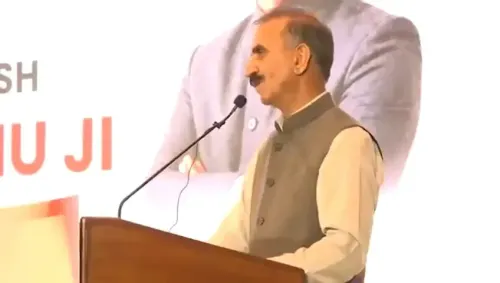
The Chief Minister's Office of Himachal Pradesh on Sunday, 19 July 2026 outlined the state's investment pitch, highlighting guaranteed 24-hour electricity supply, a forthcoming new industrial policy with reduced power tariffs, and ambitions to establish data centres leveraging the state's naturally cool climate.
Context
The post, shared from the official CMO account, states: 'Himachal Pradesh mein nivesh ke liye sabse achhi baat yeh hai ki niveshkon ko 24 ghante bijli milegi' ('The best thing about investing in Himachal Pradesh is that investors will get electricity 24 hours a day'). It further notes that the state government is bringing a new industrial policy under which power tariffs will be kept low.
The statement also flags data centres as a priority sector, citing the state's low ambient temperatures as a natural operational advantage — a factor that significantly reduces cooling costs for such facilities.
Policy Backdrop
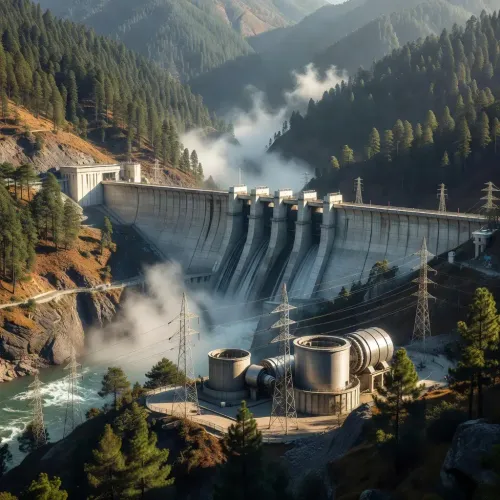
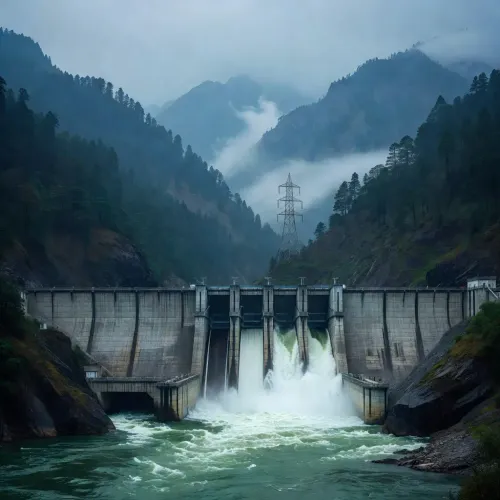
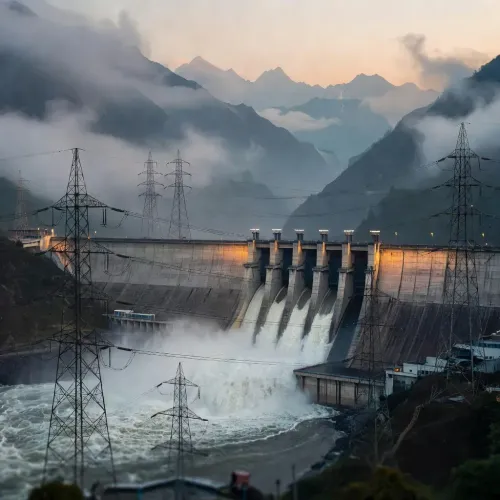
Himachal Pradesh is a major hydropower-generating state in northern India, with a cool Himalayan climate that positions it distinctively among states competing for industrial and technology investment. The state has periodically revised its industrial policy since the early 2000s, each iteration seeking to leverage its power surplus and geography to attract manufacturing and employment.
The forthcoming New Industrial Policy — details of which have not yet been made public — is being positioned as a vehicle for sector-specific incentives, with reliable electricity and competitive tariffs as its headline offerings. This aligns with a broader national pattern in which Indian states use power reliability and ease-of-doing-business reforms as primary hooks for investor outreach.
Stakeholders and Impact
The immediate beneficiaries of the proposed policy would be industrial investors and data centre operators looking to establish or expand operations in India. For energy-intensive industries, uninterrupted power at reduced rates directly lowers input costs and improves project viability.
Data centres in particular require stable, round-the-clock electricity and benefit substantially from cooler environments, which cut air-conditioning expenditure — one of the largest operational overheads for such facilities. Himachal Pradesh's geography addresses both requirements simultaneously, giving it a credible pitch in a sector where several Indian states are actively competing for investment.
Local communities and the state's workforce could also benefit if the policy succeeds in drawing sustained industrial activity, generating employment and tax revenues for the hill state.
What's Next
The critical next step is the formal release of the New Industrial Policy document, which will reveal the specific power tariff structures, eligible sectors, incentive tiers, and implementation timelines. Investor summits or memoranda of understanding with data centre and industrial firms would be the clearest early signals of traction.
As Indian states sharpen their competition for technology and manufacturing investments, Himachal Pradesh's ability to translate its natural and infrastructural advantages into binding policy commitments will determine whether this pitch converts into on-ground investment flows.
Point of View
Not merely courting traditional manufacturing. However, the announcement remains at the level of intent; the credibility of the pitch will hinge on the actual tariff numbers and enforcement mechanisms in the forthcoming policy document. Until those details emerge, the statement is best read as an opening signal to investors ahead of a formal policy rollout.
NationPress
20 Jul 2026
Frequently Asked Questions
What is Himachal Pradesh's new industrial policy about?
The Himachal Pradesh government is preparing a new industrial policy that promises 24-hour electricity supply to investors and will keep power tariffs low to encourage industrial and technology investment in the state.
Why is Himachal Pradesh targeting data centres?
Himachal Pradesh is targeting data centres because the sector requires continuous, reliable power and benefits from low ambient temperatures to reduce cooling costs — both of which the state can offer through its hydropower capacity and Himalayan climate.
Will power tariffs be reduced for industries in Himachal Pradesh?
According to the Chief Minister's Office, the forthcoming new industrial policy will keep electricity rates low for investors, though specific tariff figures have not yet been announced.
When will Himachal Pradesh's new industrial policy be released?
The Chief Minister's Office has not announced a specific release date for the new industrial policy. The formal document, including tariff structures and sector-specific incentives, is awaited.
How does Himachal Pradesh compare to other states for data centre investment?
Himachal Pradesh offers a combination of hydropower-backed 24x7 electricity and naturally cool temperatures, which together reduce two of the biggest cost drivers for data centres — power and cooling — giving it a competitive edge over many other Indian states.