Rijiju hails India's hydrogen train as triumph of homegrown innovation
Synopsis
Union Parliamentary Affairs Minister Kiren Rijiju amplified PM Modi's statement during the 2026 Monsoon Session, hailing India's newly dedicated hydrogen train — billed as the most powerful-engined and longest — as proof of homegrown scientific and engineering capability under the National Green Hydrogen Mission.
Key Takeaways
Union Minister Kiren Rijiju shared PM Narendra Modi 's statement on 20 July 2026 during the Monsoon Session of Parliament hailing India's hydrogen train dedication.
The train is described as having the most powerful engine and being the longest hydrogen train dedicated to Indian citizens.
PM Modi credited India's scientists, engineers, innovators, entrepreneurs, and workers with the achievement.
The project aligns with the National Green Hydrogen Mission (January 2023), backed by an outlay of Rs 19,744 crore .
Indian Railways targets net-zero emissions by 2030 ; the hydrogen train is a key milestone toward that goal.
Route-wise rollout plans and further announcements are expected during the ongoing 2026 Monsoon Session .
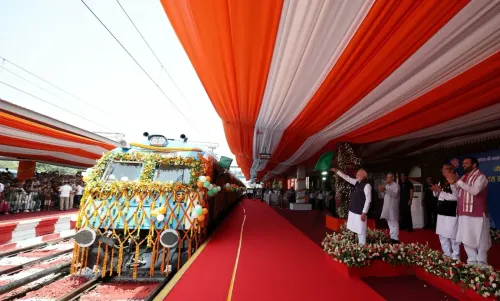
Union Parliamentary Affairs Minister Kiren Rijiju on Monday, 20 July 2026, shared remarks by Prime Minister Narendra Modi celebrating India's dedication of a hydrogen-powered train to the nation, describing it as the most powerful-engined and the longest hydrogen train yet built in the country.
Context
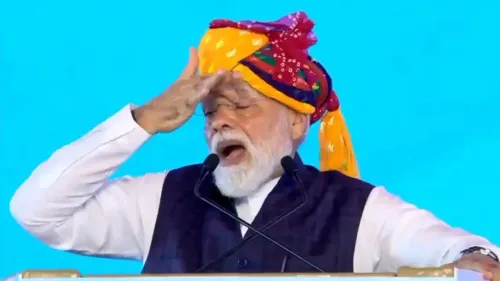
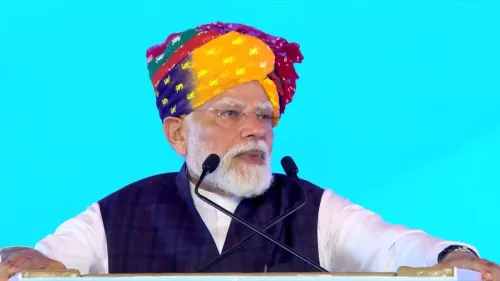
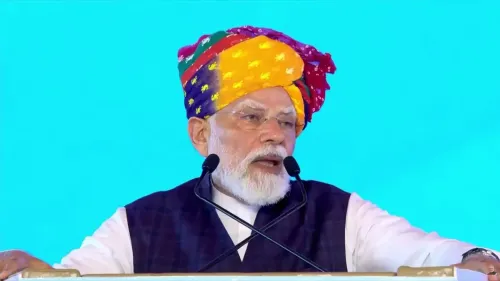
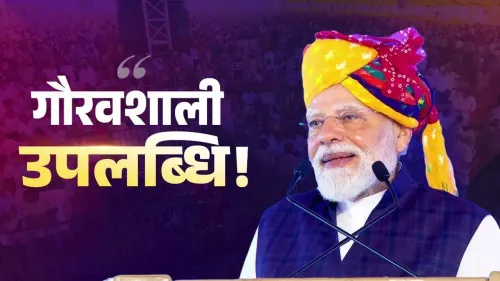
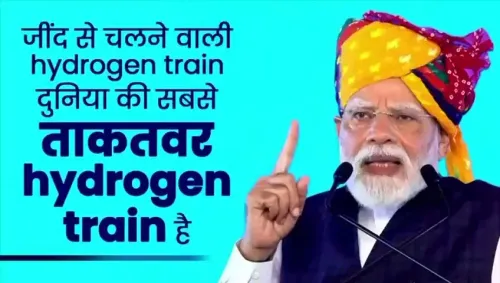
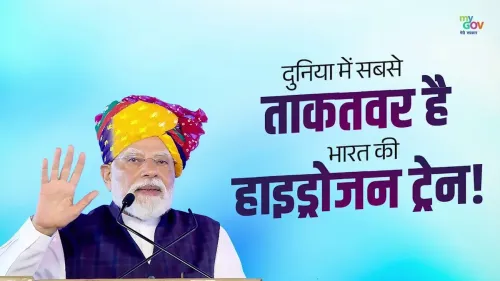
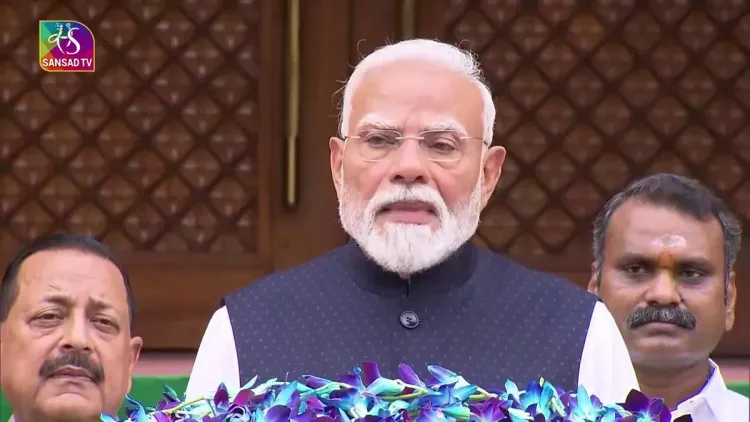
Quoting Prime Minister Modi during the Monsoon Session 2026 of Parliament, Rijiju wrote: 'भारत ने जो हाइड्रोजन ट्रेन देशवासियों को समर्पित की है वो सबसे ताकतवर इंजन वाली है और सबसे लंबी है' — ('The hydrogen train that India has dedicated to its citizens has the most powerful engine and is the longest'). The Prime Minister attributed the achievement to the collective resolve of India's scientists, engineers, innovators, entrepreneurs, and workers who, in his words, 'are living for the country and working for the country.'
Rijiju's post, shared during Parliament's Monsoon Session, amplified the Prime Minister's statement as a symbol of national technological self-reliance, framing the train not merely as a transport milestone but as proof of India's capacity for indigenous clean-energy innovation.
Policy Backdrop
The hydrogen train project sits at the intersection of two major policy commitments: Indian Railways' net-zero-by-2030 roadmap and the National Green Hydrogen Mission, approved by the Cabinet in January 2023 with an outlay of Rs 19,744 crore. The Mission identified hard-to-abate transport sectors — including rail — as priority deployment zones for green hydrogen.
Union Budgets since 2023-24 have earmarked pilot programmes for hydrogen-powered rolling stock, positioning domestic design and manufacturing at the centre of the effort in line with the Atmanirbhar Bharat framework. The dedication of this train marks a transition from pilot planning to an operational milestone on the national network.
Stakeholders and Impact
For Indian Railways — the world's fourth-largest rail network, carrying millions of passengers daily — hydrogen traction offers a pathway to eliminate diesel dependency on non-electrified routes while reducing carbon emissions. Engineers and technicians involved in the project represent a new cadre of clean-energy rail expertise being built within the country.
Broader beneficiaries include communities along routes where diesel locomotives currently operate, who stand to gain from reduced air and noise pollution. The project also signals commercial opportunity for domestic hydrogen producers and component manufacturers seeking to scale under the National Green Hydrogen Mission's incentive architecture.
What's Next
Attention during the remainder of the 2026 Monsoon Session is expected to turn to route-wise rollout plans for hydrogen trains and any supplementary funding or technology-transfer announcements that the Railways Ministry may table. The scale-up trajectory — how many trains, on which corridors, and with what production partnerships — will determine whether this dedication becomes a one-off showcase or the leading edge of a fleet-wide transition.
India's broader 2070 net-zero pledge and its ambition to reduce crude-oil import dependence give the hydrogen-rail programme strategic weight beyond the railway sector alone, making its progress a closely watched indicator of the country's green-transition credibility.
Point of View
Using the hydrogen-train milestone to reinforce the BJP government's Atmanirbhar Bharat narrative and its green-technology credentials simultaneously. By quoting the Prime Minister directly and tagging the Monsoon Session, the minister frames the achievement as parliamentary-scale news rather than a routine infrastructure update. The move connects India's 2070 net-zero pledge to a tangible, visible deliverable — a strategy the government has consistently employed to translate long-horizon climate commitments into near-term political capital. Whether the rollout can match the rhetoric will be the real test as route-wise deployment plans come under legislative scrutiny.
NationPress
21 Jul 2026
Frequently Asked Questions
What is India's hydrogen train and when was it dedicated?
India's hydrogen train is a fuel-cell-powered locomotive developed under Indian Railways' decarbonisation programme. Prime Minister Narendra Modi dedicated it to the nation, with Union Minister Kiren Rijiju sharing the announcement during the Monsoon Session on 20 July 2026.
What is the National Green Hydrogen Mission?
The National Green Hydrogen Mission is a Cabinet-approved scheme launched in January 2023 with an outlay of Rs 19,744 crore to scale green-hydrogen production and use in hard-to-abate sectors, including rail transport.
Why is India developing hydrogen-powered trains?
Indian Railways is pursuing hydrogen traction to eliminate diesel dependency on non-electrified routes, cut carbon emissions, and support India's 2070 net-zero pledge while reducing crude-oil import dependence.
What did PM Modi say about India's hydrogen train?
PM Modi credited the hydrogen train to India's scientists, engineers, innovators, entrepreneurs, and workers, calling it the result of their collective dedication to working for the country, and described it as the most powerful-engined and longest hydrogen train dedicated to citizens.
What happens next for India's hydrogen train programme?
The focus shifts to route-wise rollout plans and potential funding or technology-transfer announcements expected during the 2026 Monsoon Session of Parliament.