KTR warns of Gen-Z revolt, urges Centre on education reforms
Synopsis
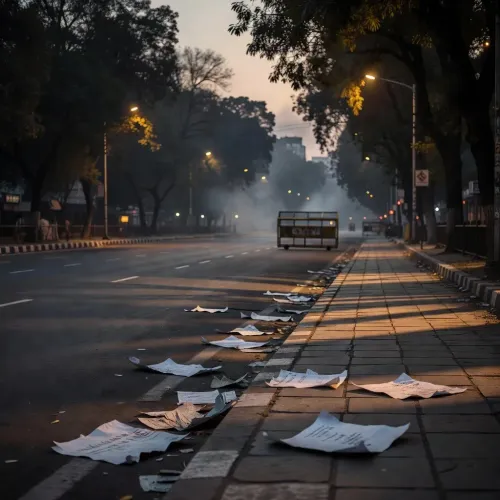
BRS working president K. T. Rama Rao on 21 July 2026 cited a Delhi youth protest to press the Union Government on education accountability and reforms, calling the demonstration a realisation of a warning he had issued ten months earlier.
Key Takeaways
KTR on 21 July 2026 called on the Union Government to urgently address education reforms and accountability.
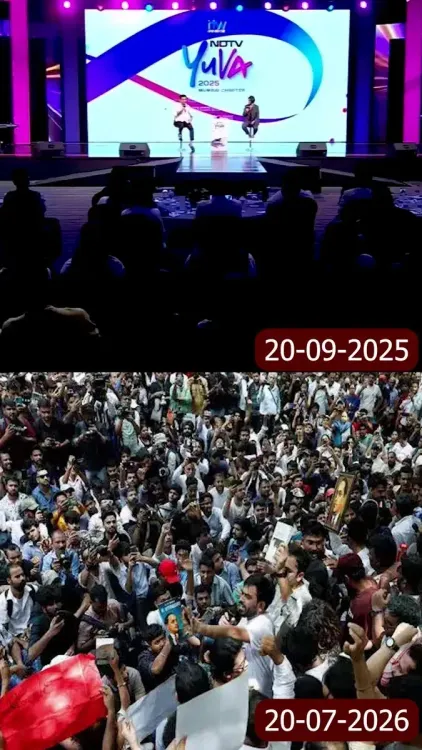
He referenced a Delhi protest on 20 July 2026 by young demonstrators as evidence of growing Gen-Z discontent.
KTR claimed he had predicted such a protest at a media event roughly ten months earlier .
The National Education Policy 2020 is in force, but opposition voices argue implementation and accountability remain inadequate.
BRS governed Telangana from 2014 to 2023 and has positioned youth and education as key planks of its national messaging.
The Ministry of Education and the next Parliament session are the key forums to watch for any policy response.
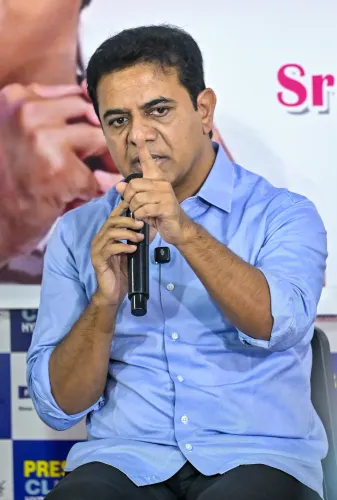
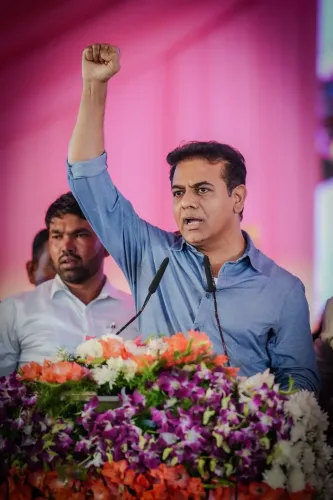
BRS working president K. T. Rama Rao on Tuesday, 21 July 2026 called on the Union Government to urgently address youth aspirations and education reforms, citing a protest in Delhi the previous day as evidence that a generational reckoning he had predicted roughly ten months earlier was now unfolding.
Context
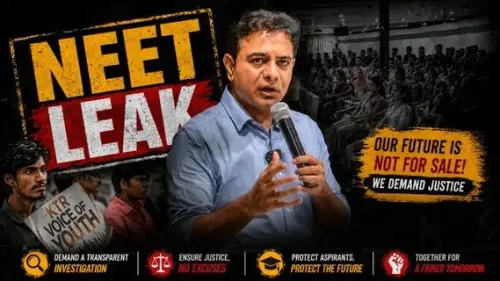
Rama Rao, widely known as KTR, stated that he had flagged the possibility of a Gen-Z protest at a media event approximately ten months ago, warning that unaddressed youth aspirations would eventually spill onto the streets. The Delhi protest of 20 July 2026 — involving young demonstrators demanding accountability and changes to the education system — appeared to validate that assessment in his telling. 'It is high time for the Union Govt to address the demand for accountability and education reforms,' he wrote on X.
The post arrives at a moment when youth-led agitations over examination systems, unemployment, and higher-education quality have become a recurring feature of India's political landscape. KTR positioned the Delhi demonstration as a signal that the Centre can no longer defer action on structural concerns in the education sector.
Policy Backdrop
India's National Education Policy (NEP) 2020, approved by the Union Cabinet in July 2020, was designed to overhaul schooling and higher education, raise gross enrolment ratios and promote multidisciplinary learning. While the policy framework is in place, opposition parties and student groups have periodically argued that implementation has lagged and that accountability mechanisms remain weak.
The BRS, which governed Telangana from 2014 to 2023, has consistently positioned itself as a voice for state-level concerns vis-à-vis the Union government, particularly on resource allocation and policy execution. KTR, as the party's working president and its most prominent national spokesperson, has used education and employment as recurring themes to challenge the ruling dispensation at the Centre.
Stakeholders and Impact
The immediate stakeholders are India's Gen-Z population — broadly those born between the late 1990s and early 2010s — who constitute a substantial and electorally significant demographic. Their concerns span competitive examination integrity, quality of public universities, and the gap between educational credentials and employment outcomes.
Student organisations, state governments that bear primary responsibility for school education, and the Ministry of Education at the Centre are all implicated in any policy response. Regional parties such as BRS stand to gain political traction if youth discontent with Union government policies intensifies, particularly in states where assembly elections are approaching.
What's Next
Attention will now turn to whether the Ministry of Education issues any formal response to the Delhi protest or the broader demand for accountability. The next session of Parliament will be a key forum to watch for any legislative or budgetary moves on education reform.
If the protest movement sustains momentum or spreads to other cities, it is likely to draw in a wider range of political voices. KTR's early positioning suggests the BRS intends to keep education and youth employment at the centre of its national narrative in the months ahead.
Point of View
He frames the Delhi protest not as a spontaneous event but as a foreseeable consequence of Union government inaction, lending the BRS an air of prescience on youth policy. The move reflects a broader opposition strategy of tethering recurring youth grievances — examination integrity, unemployment, higher-education quality — to Centre accountability, a narrative that resonates in states with large student populations. For the BRS, which lost Telangana in 2023 and is rebuilding its national profile, positioning KTR as a voice of youth advocacy offers a route back to relevance beyond its home state. Whether the Delhi protest sustains enough momentum to force a legislative or executive response will determine how much political capital this framing ultimately yields.
NationPress
21 Jul 2026
Frequently Asked Questions
What did KTR say about the Delhi youth protest?
KTR said the Delhi protest of 20 July 2026 confirmed a prediction he had made at a media event about ten months earlier — that a Gen-Z protest was imminent if youth aspirations remained unaddressed — and called on the Union Government to immediately act on demands for accountability and education reforms.
What is the Gen-Z protest KTR is referring to?
KTR referenced a protest in Delhi on 20 July 2026 involving young people demanding accountability and education reforms from the Union Government. The specific organisers and full details of that protest have not been independently confirmed in available reporting.
What is BRS and who is KTR?
The Bharat Rashtra Samithi (BRS) is a Telangana-based regional party that ruled the state from 2014 to 2023. K. T. Rama Rao, known as KTR, is the party's working president and former Minister for IT, Industries and Municipal Administration in the Telangana government.
What is India's National Education Policy?
The National Education Policy (NEP) 2020 was approved by the Union Cabinet in July 2020 to replace the 1986 policy. It aims to raise gross enrolment ratios, promote multidisciplinary learning, and overhaul regulatory structures across schooling and higher education.
What should we watch for next on education reform in India?
Key developments to follow include any formal response from the Ministry of Education to the Delhi protest, references to education reform during the next Parliament session, and whether the youth protest movement spreads to other cities or gains broader political backing.