HP CM Sukhu marks third year of rural governance initiative
Synopsis
Chief Minister Sukhvinder Singh Sukhu of Himachal Pradesh marked the third year of a state rural governance initiative on 6 August 2026, with Rural Development Minister Anirudh Singh, Mayor Surendra Chauhan, and councillors in attendance, signalling sustained multi-tier official commitment.
Key Takeaways
CM Thakur Sukhvinder Singh Sukhu publicly marked the third anniversary of a state-level initiative described as 'commendable.' Rural Development and Panchayati Raj Minister Anirudh Singh was present, indicating the initiative falls within his ministry's ambit.
Mayor Surendra Chauhan and ward councillors attended, reflecting cross-tier — state, city, and local — official participation.
The event took place on 6 August 2026 , mid-term in CM Sukhu's tenure, which began in December 2022 .
Himachal Pradesh's active panchayati raj framework gives such multi-level gatherings constitutional and administrative significance.
Three years in, and Himachal Pradesh Chief Minister Thakur Sukhvinder Singh Sukhu is calling it a praiseworthy effort — one that has now outlasted a full electoral cycle and continues to draw together officials from the state's highest offices down to its ward councillors.
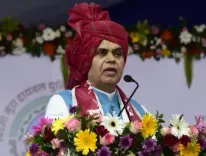
The Chief Minister's Office of Himachal Pradesh posted on Thursday, 6 August 2026, sharing CM Sukhu's remarks marking the third anniversary of an unspecified but notable initiative. In his words: 'Yeh is sarahaniya pehel ka teesra varsh hai' — 'This is the third year of this commendable initiative.'
Ministers, mayor, and councillors on the same platform
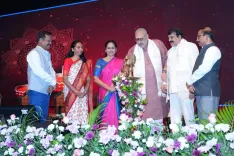
The gathering brought together Rural Development and Panchayati Raj Minister Anirudh Singh, Mayor Surendra Chauhan, ward councillors, and other dignitaries. That combination — a cabinet minister, a city mayor, and elected local representatives — signals deliberate multi-tier coordination, the kind of administrative choreography that state governments use to demonstrate ground-level ownership of a programme.
Himachal Pradesh maintains one of the country's more active panchayati raj frameworks, with elected bodies at the village, block, and district levels feeding into state governance. Bringing a Rural Development minister and a mayor into the same event reflects the initiative's cross-cutting reach — touching both rural and urban local governance structures simultaneously.
Why the third-year mark matters in Indian governance
In Indian state politics, the third year of any scheme is a politically significant milestone. It sits squarely within a five-year electoral cycle — far enough from the last election to claim ownership, close enough to the next to begin building a record. CM Sukhu, who took office in December 2022, is now in the middle stretch of his term, and events like this serve as visible proof-points of continuity.
The involvement of panchayati raj institutions also carries constitutional weight — Article 243 of the Indian Constitution mandates devolution of power to local bodies, and state governments that visibly partner with these bodies tend to score well on governance indices. Whether this initiative translates into measurable rural outcomes will likely surface in the next state budget or assembly session.
Point of View
A mayor, and ward councillors visibly present — is a calculated signal of programme continuity mid-term. In Himachal Pradesh's competitive political landscape, anchoring rural development optics to panchayati raj institutions is a durable strategy: it ties state-level credit to constitutionally mandated local bodies, making the initiative harder to dismiss as top-down. The gathering also quietly reinforces Sukhu's positioning ahead of the back-half of his term, when governance delivery records begin to matter electorally.
NationPress
20 Sept 2026
Frequently Asked Questions
Who is Himachal Pradesh Chief Minister Sukhvinder Singh Sukhu?
Thakur Sukhvinder Singh Sukhu has been the Chief Minister of Himachal Pradesh since December 2022 , following the Congress party's victory in the state assembly elections.
Who is Anirudh Singh in the Himachal Pradesh government?
Anirudh Singh serves as the Minister for Rural Development and Panchayati Raj in the Himachal Pradesh government under CM Sukhu's administration.
What initiative did CM Sukhu mark the third anniversary of?
CM Sukhu described it as a 'commendable initiative' now in its third year, with Rural Development and local body officials present; the specific programme name was not detailed in the official post.
What is panchayati raj and why does it matter in Himachal Pradesh?
Panchayati raj refers to India's constitutionally mandated system of local self-governance at village, block, and district levels. Himachal Pradesh maintains an active panchayati raj framework that channels rural development funds and administration to grassroots bodies.
When did the Himachal Pradesh government mark this governance anniversary?
The event was marked on Thursday, 6 August 2026 , as shared by the official Chief Minister's Office account on X.