HP CM's Office Holds Post-Cabinet Public Grievance Session
Synopsis
After a cabinet meeting on 20 July 2026, Himachal Pradesh Chief Minister Sukhvinder Singh Sukhu met local residents, heard their grievances, and directed concerned departmental officials to act — continuing a long-standing HP governance practice of combining executive proceedings with direct public outreach.
Key Takeaways
Chief Minister Sukhvinder Singh Sukhu held a public grievance session on 20 July 2026 , immediately after a state cabinet meeting.
Residents presented their problems directly to the Chief Minister, who issued instructions to officials of the relevant departments for resolution.
The CMO described the interaction as inspiring 'sensitive decision-making' and giving 'new direction to public-interest work.' Post-cabinet public hearings have been a recurring practice in Himachal Pradesh since at least the 1990s , spanning successive governments.
Follow-up departmental orders and any mention in the next assembly session will indicate whether the grievances translate into concrete policy action.
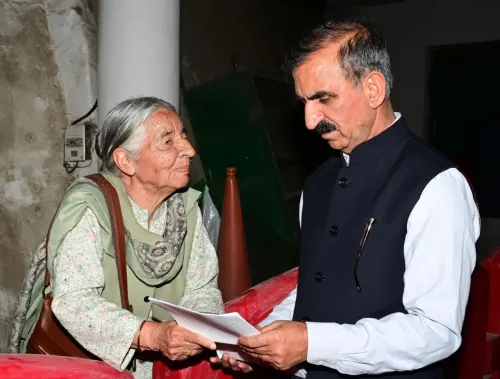
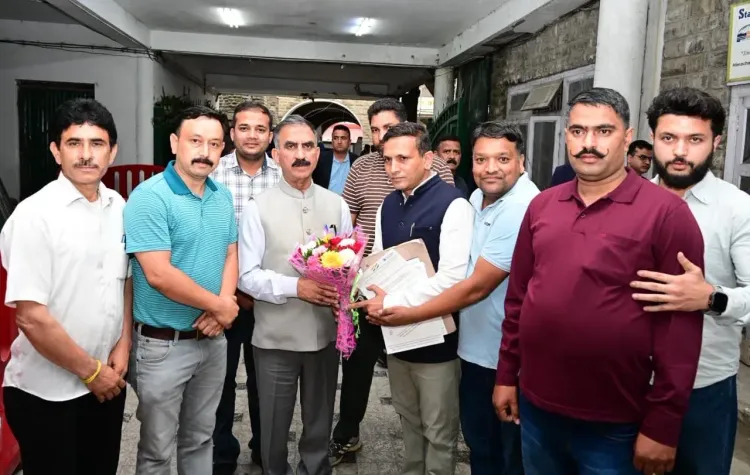
The Chief Minister's Office of Himachal Pradesh announced on Monday, 20 July 2026 that following a cabinet meeting, Chief Minister Sukhvinder Singh Sukhu met directly with local residents to hear their grievances and issued necessary instructions to officials of the concerned departments for resolution.
What Happened
The CMO's post on X stated: 'aaj cabinet baithak ke baad sthaniya logon se milkar unki samasyaen suni' ('Today, after the cabinet meeting, met with local people, listened to their problems'). The Chief Minister also directed relevant departmental officers to act on the issues raised. The post noted that such continuous dialogue inspires sensitive decision-making and gives new direction to public-interest work.
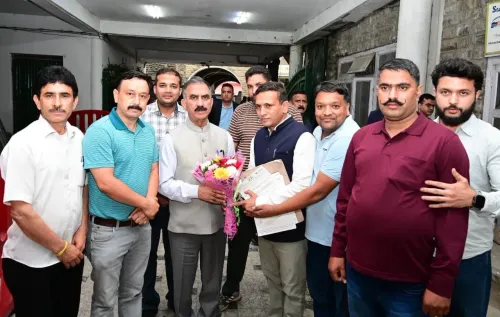
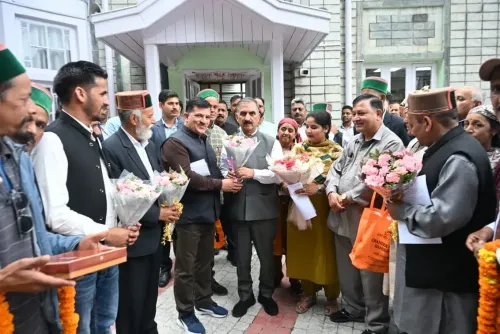
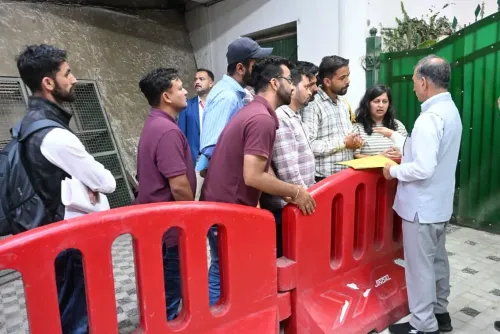
Three images accompanied the post, showing the Chief Minister in direct interaction with residents. The session reflects a practice of combining formal executive proceedings with immediate public outreach.
Context
Post-cabinet public grievance hearings have been a recurring administrative feature in Himachal Pradesh since at least the 1990s, observed across successive state governments. The practice allows the executive to gather ground-level feedback immediately after key policy deliberations, bridging formal governance with citizen concerns.
Sukhu has been Chief Minister since December 2022, leading a government formed by the Indian National Congress. His administration has periodically used such interactions to signal responsiveness, particularly on terrain-specific challenges the hill state faces.
Policy Backdrop
Himachal Pradesh's geography — marked by remote valleys, seasonal road closures, and dispersed habitations — makes direct citizen-government contact especially significant. Issues around connectivity, agriculture, and disaster management frequently surface in such public hearings, given the state's vulnerability to landslides and extreme weather.
State-level leaders across India routinely combine cabinet sittings with public outreach sessions, but the practice carries added weight in hill states where residents may have limited access to district administrative offices. Instructions issued to departmental officials at such sessions can translate into on-ground action faster than formal written representations.
Stakeholders and Impact
The immediate beneficiaries are local residents whose grievances were heard and referred to concerned departments on 20 July 2026. Departmental officers who received the Chief Minister's instructions are now accountable for follow-up action within their respective domains.
For the broader public, such sessions serve as a visible accountability mechanism, reinforcing the administration's stated commitment to 'jan bhavnaon ko samajhna' — understanding public sentiment — and taking decisions that reflect it.
What's Next
Observers will watch for follow-up departmental orders or scheme announcements arising from the grievances heard on 20 July. Any references to the outcomes of this session in the next Himachal Pradesh Legislative Assembly sitting could indicate whether the public inputs have shaped policy direction. Continued post-cabinet outreach sessions would signal that the practice is being institutionalised rather than conducted on an ad hoc basis.
Point of View
And the Sukhu administration's use of it signals a desire to project accessibility ahead of what could be a policy-heavy legislative calendar. In a hill state where citizen-government distance is literal as much as administrative, such interactions carry more operational weight than in plains states — grievances raised here often concern roads, water, and disaster relief that require swift departmental action. By publicising the session on X, the CMO is also playing to a digital audience, reinforcing an image of an approachable executive at a time when the Congress government in Himachal Pradesh faces the usual mid-term scrutiny. The real test, as always, will be whether the departmental instructions issued on 20 July produce measurable follow-through before the next assembly session.
NationPress
21 Jul 2026
Frequently Asked Questions
What did Himachal Pradesh CM Sukhu do after the cabinet meeting on 20 July 2026?
After the cabinet meeting on 20 July 2026, CM Sukhvinder Singh Sukhu met local residents, listened to their grievances, and directed officials of the concerned departments to take necessary action for resolution.
Is holding public hearings after cabinet meetings a new practice in Himachal Pradesh?
No. Post-cabinet public grievance hearings have been a recurring administrative practice in Himachal Pradesh since at least the 1990s, followed by successive state governments regardless of party.
Who is the Chief Minister of Himachal Pradesh in 2026?
Sukhvinder Singh Sukhu of the Indian National Congress has been the Chief Minister of Himachal Pradesh since December 2022.
What issues do residents typically raise at such HP government public hearings?
Given Himachal Pradesh's terrain, residents frequently raise issues related to road connectivity, agriculture, water supply, and disaster management at such public interaction sessions.
What should we watch for after the 20 July 2026 HP cabinet and public grievance session?
Watch for follow-up orders from the departments that received the Chief Minister's instructions, and any references to outcomes from this session in the next sitting of the Himachal Pradesh Legislative Assembly.