HP CM Office: State Gives ₹90,000 Cr in Eco Services, Gets Little Back

Synopsis
The Chief Minister's Office of Himachal Pradesh cited IIFM data on 12 June 2026 to argue the state provides ₹90,000 crore in annual ecological services and holds 13,000 MW hydropower capacity, yet receives no proportionate financial recognition — reigniting the debate on green fiscal transfers in India's federal framework.
Key Takeaways
The Chief Minister's Office of Himachal Pradesh cited IIFM data placing the state's annual ecological services to the nation at approximately ₹90,000 crore .
Despite this contribution, the post states that no adequate financial valuation or compensation mechanism is currently in place.
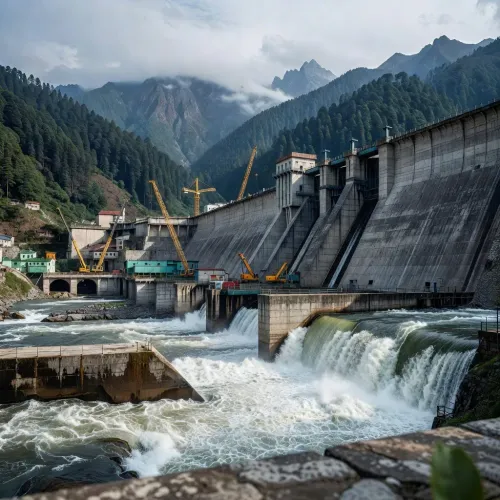
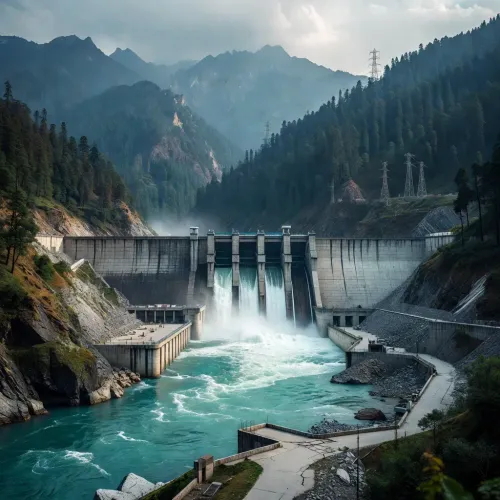
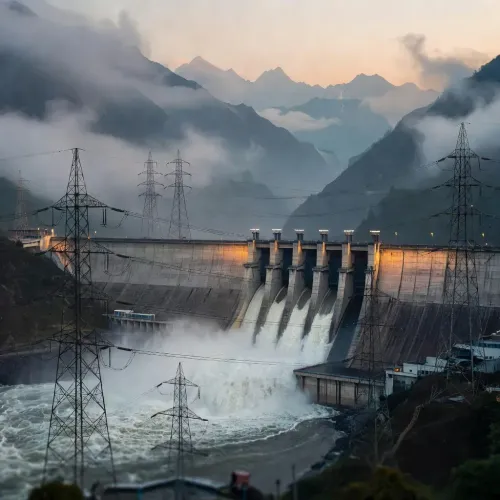
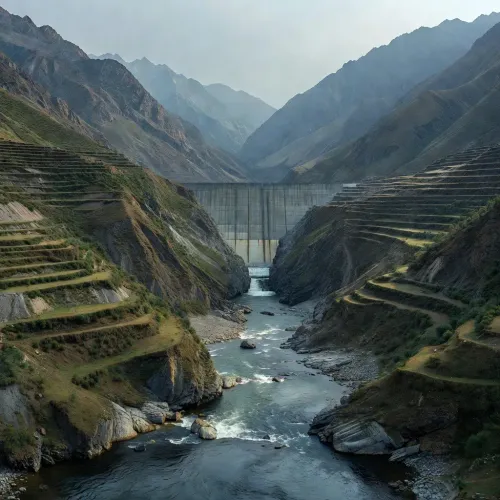
Himachal Pradesh holds approximately 13,000 MW of hydropower capacity, yet benefits from this resource are described as inequitably distributed.
The 15th Finance Commission had assigned a 10 percent weightage to forest cover in devolution, but Himalayan states consider this insufficient.
The demand for ecological fiscal transfers aligns with similar positions taken by Uttarakhand and other hill states in federal financial negotiations.
The issue is expected to feature prominently in 16th Finance Commission deliberations and national Himalayan development policy discussions.
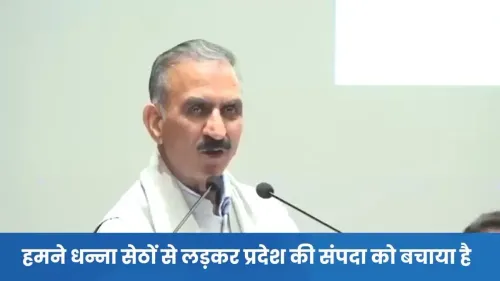
The Chief Minister's Office of Himachal Pradesh, on Friday, 12 June 2026, highlighted a stark fiscal imbalance, citing that the state provides ecological services worth approximately ₹90,000 crore annually to the nation — yet receives no commensurate financial recognition — while also flagging inequitable sharing of benefits from its 13,000 megawatt hydropower potential.
Context
The post, shared from the official Chief Minister's Office of Himachal Pradesh account, references data from the Indian Institute of Forest Management (IIFM), a premier public research body specialising in forest ecosystem valuation. According to the post, 'हिमाचल प्रदेश प्रतिवर्ष लगभग 90,000 करोड़ रुपये की पारिस्थितिकीय सेवाएं देश को प्रदान करता है' — meaning 'Himachal Pradesh provides the country with approximately ₹90,000 crore worth of ecological services every year' — yet this contribution has not received appropriate financial valuation. The post further notes that despite possessing approximately 13,000 MW of hydropower capacity, an imbalance in the distribution of benefits persists.Policy Backdrop
The demand for green fiscal transfers is not new to Himachal Pradesh or the broader Himalayan belt. The 15th Finance Commission took a step in this direction by assigning a 10 percent weightage to forest and ecology cover in the horizontal devolution criteria, rewarding states that maintain green assets. However, hill states have consistently argued that this recognition remains insufficient relative to the actual ecological and hydrological services they render to downstream populations and the national economy. Uttarakhand and other Himalayan states have made similar representations, framing the issue as one of internalising externalities — where the costs of conservation are borne locally while the benefits accrue nationally.Stakeholders and Impact
The primary stakeholders in this debate span a wide geography. Himachal Pradesh bears the direct costs: restrictions on land use, forest conservation obligations, and the social opportunity costs of maintaining river catchments. Downstream states across the Indo-Gangetic Plain are the principal beneficiaries of clean water flows, regulated river discharge, and hydroelectric power fed into the national grid. Urban and agricultural consumers across northern India depend on the hydrological services that Himalayan forests sustain. The IIFM valuation figure, as cited in the post, attempts to put a monetary face on this largely invisible subsidy that Himachal Pradesh extends to the rest of the country year after year.What's Next
The statement positions Himachal Pradesh ahead of deliberations likely to intensify around the 16th Finance Commission cycle and in working groups on Himalayan development within federal planning bodies. A formal framework for ecological fiscal transfers — one that compensates hill states for forest conservation, watershed management, and carbon sequestration — remains an active demand. If such a framework gains traction, it could reshape the fiscal architecture for all Himalayan and forested states in India, making green accounting a mainstream metric in centre-state financial relations rather than a peripheral aspiration.Point of View
It could set a precedent that reshapes how India values and compensates environmental public goods across its federal structure.
NationPress
26 Oct 2026
Frequently Asked Questions
What ecological services does Himachal Pradesh provide to India?
According to IIFM data cited by the Himachal Pradesh Chief Minister's Office, the state provides approximately ₹90,000 crore worth of ecological services annually, including watershed management, forest cover, and hydrological regulation that benefits downstream regions across northern India.
What is IIFM and why does its valuation matter?
The Indian Institute of Forest Management (IIFM) is a public institution that researches forest ecosystem valuation and natural resource economics. Its valuations carry technocratic credibility and are used by state governments to support demands for ecological fiscal transfers from the central government.
Why does Himachal Pradesh say it is not fairly compensated for hydropower?
The Himachal Pradesh CM Office argues that despite the state holding approximately 13,000 MW of hydropower capacity and bearing the environmental and social costs of dam infrastructure, the financial benefits are not equitably shared with the state or its residents.
What are ecological fiscal transfers in India?
Ecological fiscal transfers are mechanisms through which the central government compensates states for maintaining forests, rivers, and other natural assets that provide national benefits. The 15th Finance Commission introduced a 10 percent weightage for forest cover in tax devolution, but hill states argue this remains inadequate.
How does this affect the 16th Finance Commission discussions?
Himachal Pradesh's public articulation of the ₹90,000 crore ecological services figure is widely seen as a pre-emptive submission to the 16th Finance Commission, pushing for a larger and more formal compensation framework for Himalayan and forested states in India's fiscal federalism.