HP Govt Pledges ₹35 Cr VGF to Keep Shimla, Dharamshala Flights Running
Synopsis
The Himachal Pradesh government has announced ₹35 crore in Viability Gap Funding to keep air services operational to Shimla and Dharamshala even during low-passenger periods — described as a first-of-its-kind state intervention in the hill state's aviation history.
Key Takeaways
₹35 crore in Viability Gap Funding (VGF) committed by the Himachal Pradesh government for air services.
Funding covers routes to Shimla (Jubbarhatti Airport) and Dharamshala (Gaggal Airport) .
VGF is designed to keep flights operating even during periods of low passenger demand — a perennial challenge in mountain aviation.
The CMO described this as the first such state-funded VGF intervention in Himachal Pradesh's history.
The move follows the national template set by India's UDAN scheme (launched 2016), extended here via state budget.
Key outcomes to watch: which airlines sign on, schedule frequency, and whether the subsidy builds sustainable passenger volumes.
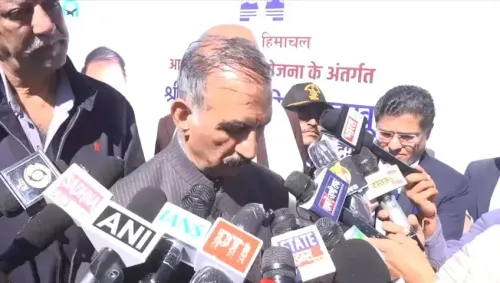
For the first time in Himachal Pradesh's history, the state government is putting public money directly on the line to keep planes flying to its two most important hill destinations — even when seats go empty. The Chief Minister's Office of Himachal Pradesh announced on Sunday, 25 October 2026 that the government is committing ₹35 crore in Viability Gap Funding (VGF) to sustain air services to Shimla and Dharamshala, explicitly to ensure flights continue operating even during periods of low passenger demand.
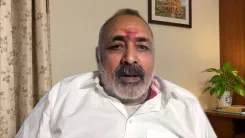
Posting on X, the CMO stated: 'प्रदेश में पहली बार ऐसा हो रहा है कि हमारी सरकार शिमला और धर्मशाला के लिए हवाई सेवाओं का संचालन सुनिश्चित करने के उद्देश्य से 35 करोड़ रुपये की VGF दे रही है, ताकि यात्रियों की कमी होने पर भी उड़ानों का संचालन होता रहे।' ['For the first time in the state, our government is providing ₹35 crore in VGF with the objective of ensuring air services for Shimla and Dharamshala, so that flights continue to operate even when there is a shortage of passengers.']Why Shimla and Dharamshala Have Always Been a Hard Sell for Airlines
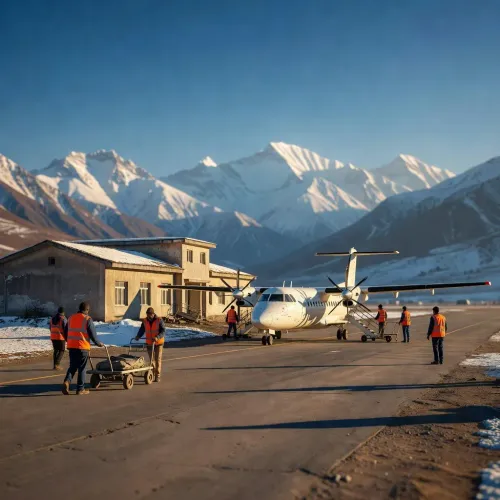
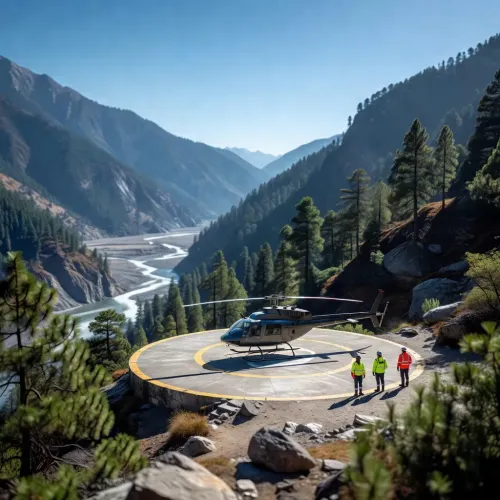
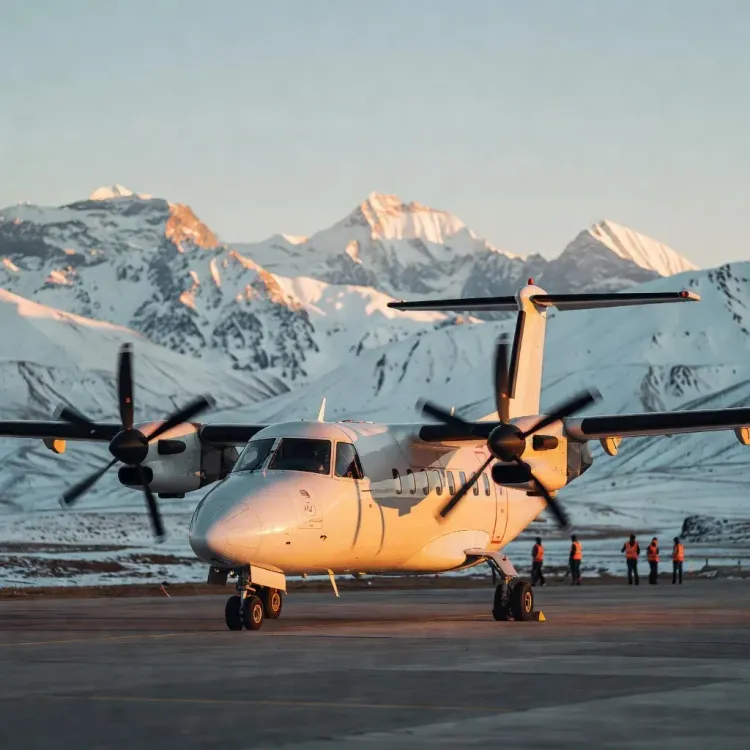
Shimla's Jubbarhatti Airport and Dharamshala's Gaggal Airport sit in terrain that makes aviation commercially punishing. Passenger loads swing wildly with the seasons — packed during summer and festival peaks, thin in the off-season — and the narrow mountain approaches limit the aircraft types that can operate there. The result: airlines consistently struggle to turn a profit, and routes get dropped when load factors fall.
This is precisely the vulnerability that VGF is designed to bridge. Under the mechanism, the government absorbs the financial shortfall between what an airline actually earns on a route and the minimum revenue it needs to keep flying. The logic is straightforward: the economic value of connectivity — for tourism, trade, and residents — far exceeds what the ticket revenue alone can justify.
VGF's National Blueprint and HP's State-Level Bet
The framework has national precedent. India's UDAN (Ude Desh ka Aam Nagrik) scheme, launched in 2016, pioneered the use of VGF to open regional air routes that the market would never naturally serve. Himachal Pradesh's move follows that logic but represents a state-government-funded commitment rather than a central subsidy — a signal that Shimla is willing to back connectivity with its own budget when central support falls short or is unavailable.
For a state whose economy is deeply tethered to tourism, the calculus is clear. Inconsistent flights mean tourists choose easier destinations. Reliable air links to Dharamshala — already a global draw as the seat of the Tibetan government-in-exile and a Himalayan trekking hub — and to the state capital Shimla can translate directly into hotel bookings, local business revenue, and tax receipts that dwarf the ₹35 crore outlay.
What the ₹35 Crore Commitment Must Now Deliver
The announcement sets an expectation. The test is not whether flights depart — it is whether the subsidy structure is designed tightly enough to attract credible airline partners, sustain year-round schedules, and eventually build passenger habits that reduce the state's dependence on the subsidy itself. Seasonal spikes in load factors will need to cross-subsidise the lean months; otherwise ₹35 crore becomes a recurring floor rather than a launchpad.
The operational details — which airlines, which routes, what schedule frequency — are the next chapter. Himachal Pradesh has placed its bet. The mountain passes the ball to the airlines.
Point of View
Not just a commercial proposition. It follows the UDAN framework's logic but places the fiscal risk squarely on the state exchequer — a meaningful escalation of political ownership. If successful, it could become a template for other tourism-dependent hill states like Uttarakhand or Meghalaya that face identical seasonal demand troughs. The harder policy question is whether ₹35 crore is structured as a one-time pilot or a recurring line item, since the underlying economics of thin-route aviation do not resolve themselves without sustained passenger-behaviour change.
NationPress
25 Oct 2026
Frequently Asked Questions
What is VGF and how does it help airlines in Himachal Pradesh?
Viability Gap Funding (VGF) is a government grant that covers the difference between an airline's actual revenue on a route and the minimum it needs to operate profitably. In Himachal Pradesh, ₹35 crore in VGF ensures airlines can keep flying to Shimla and Dharamshala even when passenger numbers are low, typically in the off-season.
Which airports will benefit from Himachal Pradesh's ₹35 crore VGF?
The funding is directed at air services to Shimla, served by Jubbarhatti Airport, and Dharamshala, served by Gaggal Airport in Kangra district.
Is this the first time Himachal Pradesh has given VGF for air connectivity?
The Chief Minister's Office has described this as the first time the state government is providing such VGF specifically to sustain air services to Shimla and Dharamshala.
How does this relate to India's UDAN scheme?
India's UDAN scheme, launched in 2016, introduced the VGF model nationally to connect underserved regional airports. Himachal Pradesh's move applies the same principle but uses state government funds rather than central scheme money.
Why do flights to Shimla and Dharamshala struggle commercially?
Both airports are in mountainous terrain with challenging approach conditions that limit aircraft types. Passenger demand fluctuates sharply with seasons — high during tourist peaks, very low in off-season months — making it difficult for airlines to maintain profitable year-round operations without financial support.