CM Sukhu Seals Wild Flower Hall Hotel E-Auction Deal

Synopsis
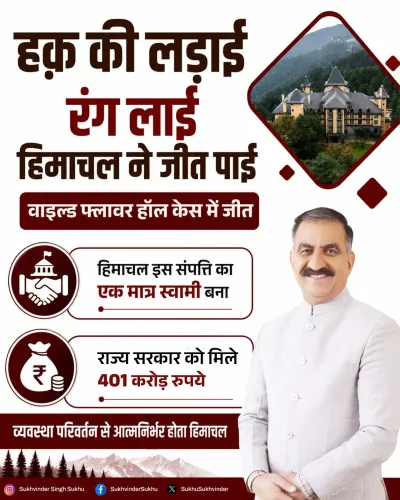
Himachal Pradesh CM Sukhvinder Singh Sukhu announces the successful e-auction of Wild Flower Hall Hotel's management licence, fetching a record 47.1% revenue share, an estimated ₹2,000 crore over 35 years, and an immediate ₹400 crore cash inflow — with state ownership fully intact.
Key Takeaways
The Himachal Pradesh government completed a competitive e-auction for the Wild Flower Hall Hotel in Shimla's operation and management licence.
A record bid of 47.1% of annual gross revenue was received as the government's share.
The 35-year licence is projected to yield roughly ₹3 crore per month , growing at 3% annually, totalling an estimated ₹2,000 crore .
The winning bidder has committed an upfront licence fee of ₹24 crore and a minimum property investment of ₹50 crore .
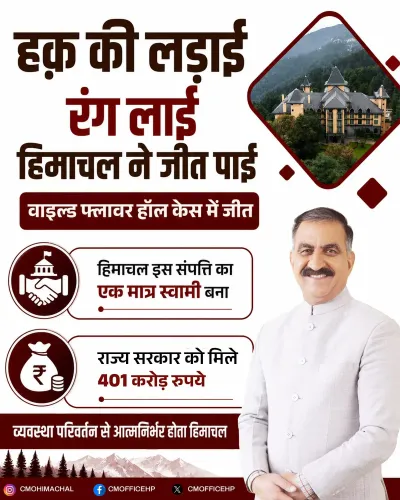
The state has already received approximately ₹400 crore in cash from the deal.
Full ownership of the hotel's land, property, joint venture company and associated assets remains entirely with the Himachal Pradesh government .
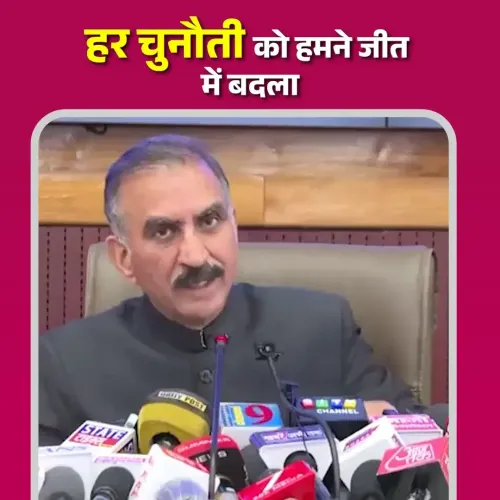
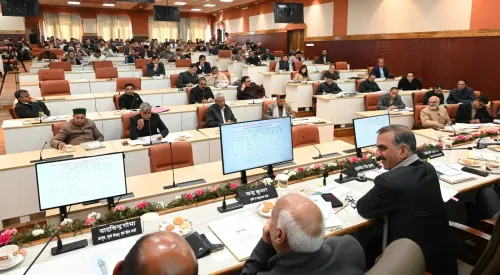
A heritage hotel perched above Shimla just became one of Himachal Pradesh's most lucrative state assets — without the government giving up a single square metre of it. Himachal Pradesh Chief Minister Sukhvinder Singh Sukhu announced on Friday, 30 October 2026 that the state government has successfully completed a competitive e-auction for the operation and management licence of the iconic Wild Flower Hall Hotel in Shimla, securing a record bid of 47.1% of annual gross revenue as the government's share.
A record bid and what it means for the state treasury
The numbers are striking. Over the 35-year licence period, the arrangement is estimated to generate roughly ₹3 crore per month in revenue for the state, with a built-in escalation of 3% per year — adding up to an estimated ₹2,000 crore in total receipts over the term. On top of that, the winning bidder has committed to an upfront licence fee of ₹24 crore and a minimum capital investment of ₹50 crore in the hotel property itself.
Critically, the state has also received approximately ₹400 crore in cash as part of the deal. Full ownership and control of the hotel's land, property, joint venture company, associated assets, and rights remain entirely with the Himachal Pradesh government — this is a management licence, not a sale.
Why the 'licence, not sale' model matters
Several Indian states have turned to competitive e-auctions for government-owned hospitality assets precisely because the model threads a politically sensitive needle: private operational efficiency without outright privatisation. The state keeps the crown jewel; a private operator runs it better; the treasury collects a share of every rupee earned. Himachal Pradesh has previously explored similar structures for its tourism properties as it works to shore up state finances.
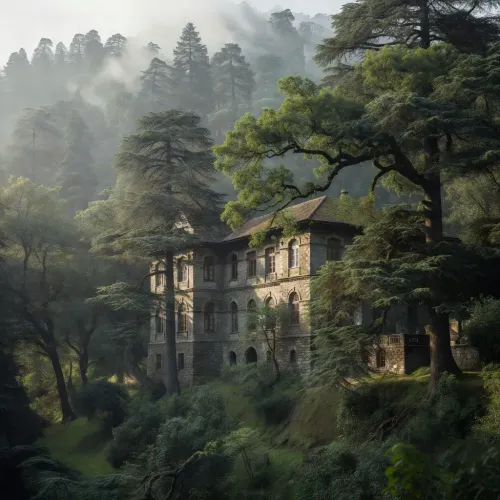
Wild Flower Hall has long been among the most recognised heritage hotel properties in the hill-station circuit. Securing a 47.1% gross revenue share — described as a record bid — suggests robust private-sector confidence in the property's earning potential over the long term.
The ₹400 crore cash infusion and fiscal backdrop
The immediate ₹400 crore cash receipt is arguably the most consequential near-term headline for a state that, like many smaller hill economies, juggles constrained own-tax revenue against substantial welfare and infrastructure commitments. An upfront liquidity injection of this scale, paired with a predictable 35-year revenue stream, gives the Sukhu administration tangible fiscal ammunition — both for current spending and as a political proof-point that Congress governance can deliver non-tax revenue innovation without selling state assets.
The watch item now is delivery: whether the committed upfront fees and investment flows arrive on schedule, and whether monthly revenue realisations track the projections that make the headline numbers add up.
Point of View
Don't sell' model gaining traction among fiscally stretched state governments — it unlocks private capital and operational efficiency while neutralising the political cost of asset sales. For CM Sukhu, the ₹400 crore upfront cash and a 35-year revenue guarantee serve dual purpose: immediate balance-sheet relief and a durable rebuttal to opposition narratives about Congress fiscal management in Himachal. The real test, however, will be whether the 47.1% revenue-share projection holds as the hospitality sector cycles through demand volatility over such a long contract horizon — a risk the state has effectively transferred to the operator.
NationPress
30 Oct 2026
Frequently Asked Questions
What is Wild Flower Hall Hotel and who owns it?
Wild Flower Hall is a heritage hotel property in Shimla, Himachal Pradesh, and is a state-owned asset. Under the new e-auction deal, the Himachal Pradesh government retains full ownership of the land, property, and associated assets — only management and operational rights have been licensed to a private operator.
How much money will Himachal Pradesh earn from the Wild Flower Hall deal?
The state is estimated to earn approximately ₹3 crore per month over a 35-year period, with a 3% annual increase, totalling around ₹2,000 crore. Additionally, an upfront licence fee of ₹24 crore and an immediate cash receipt of about ₹400 crore have been secured.
What does 47.1% annual gross revenue share mean in this context?
It means the winning bidder has agreed to pay 47.1% of the hotel's annual gross revenue to the Himachal Pradesh government as its share under the licence agreement — described by the government as a record bid in a competitive e-auction process.
Is the Wild Flower Hall Hotel being privatised?
No. The Himachal Pradesh government has only licensed the hotel's operation and management to a private party. The land, buildings, joint venture company, and all associated assets remain fully owned and controlled by the state government.
What is the minimum investment commitment in the Wild Flower Hall deal?
The winning bidder has committed to a minimum investment of ₹50 crore in the hotel property over the 35-year licence period, in addition to the ₹24 crore upfront licence fee.