HP Govt Seals Wild Flower Hall Hotel E-Auction at Record 47.1% Revenue Share
Synopsis
Himachal Pradesh has completed a competitive e-auction for the Wild Flower Hall Hotel in Shimla, receiving a record bid of 47.1% of annual gross revenue — a new benchmark for state-owned tourism asset licensing in India's hill states.
Key Takeaways
The Himachal Pradesh government successfully concluded a competitive e-auction for the operational licence of Wild Flower Hall Hotel, Shimla on 30 October 2026 .
The winning bid offers 47.1% of annual gross revenue to the state — described as a record bid.
The revenue-share model ties state earnings directly to the hotel's commercial performance.
The auction used an e-auction format , reflecting a broader Indian state-government push for transparency in public-asset leasing.
The identity of the winning bidder has not been officially disclosed in the announcement.
The result is expected to benchmark future auctions for other Himachal Pradesh tourism properties.
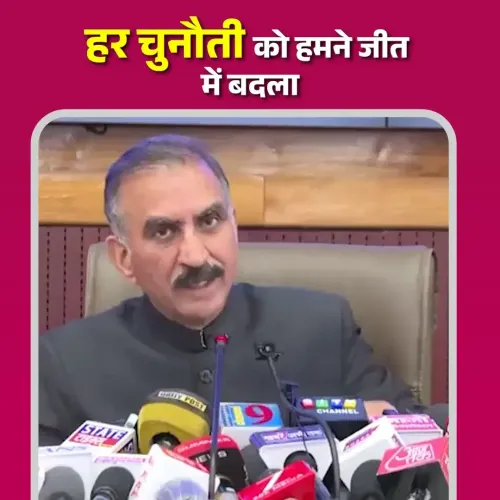
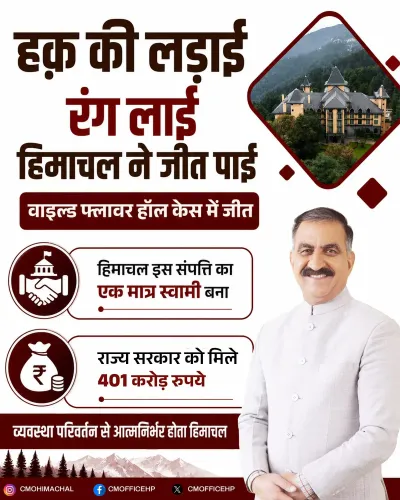
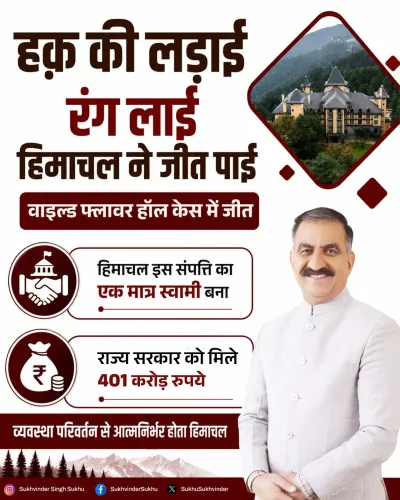
A Himalayan landmark just found a new operator — and the price tag is historic. The Chief Minister's Office of Himachal Pradesh announced on Friday, 30 October 2026 that the state government has successfully concluded a competitive e-auction for the operational licence of the iconic Wild Flower Hall Hotel in Shimla, drawing a record bid of 47.1% of annual gross revenue.
The CMO's post confirmed the milestone in Hindi: 'इसमें वार्षिक सकल राजस्व का 47.1% हिस्सा देने की रिकॉर्ड बोली प्राप्त हुई है' — ('a record bid offering 47.1% of annual gross revenue has been received'). That single number tells the story of just how fiercely the private hospitality sector is chasing premium hill-station assets right now.
Why Wild Flower Hall Commands a Record Premium
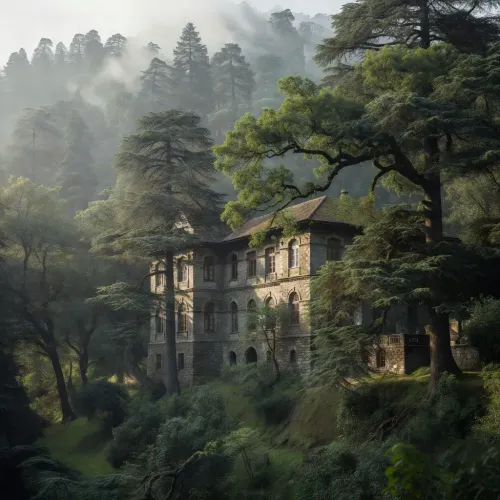
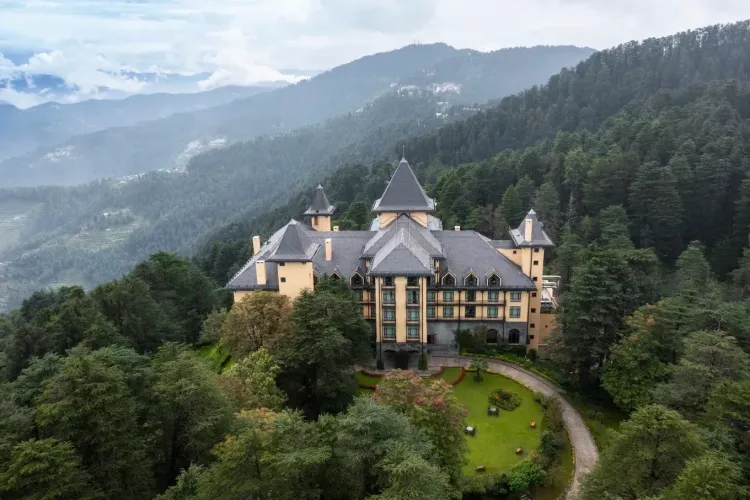
Wild Flower Hall is not an ordinary government hotel. Perched above Shimla at over 8,000 feet, the heritage property carries colonial-era pedigree and commands sweeping views of the Himalayas — the kind of address that luxury hospitality brands covet. State-owned but privately operated under licence, it sits at the intersection of heritage tourism and high-margin premium travel, a segment that has surged sharply in the post-pandemic domestic travel boom.
The revenue-share model — where the winning operator pays a percentage of gross revenue rather than a flat lease — aligns government income directly with the hotel's commercial performance. A 47.1% share is a steep commitment, signalling the bidder's confidence in the property's earning potential and in India's resilient domestic luxury travel market.
Himachal's Shift to E-Auctions for Tourism Assets
Indian hill states have increasingly turned to competitive e-auctions to monetise government-owned hospitality assets — replacing opaque, negotiated leases with open digital bidding that is harder to game and easier to audit. Himachal Pradesh, whose economy is significantly tourism-dependent, has used this format before for properties in its hill stations. The Wild Flower Hall auction, however, sets a new benchmark for the revenue-share floor that future bidders will be measured against.
The transparency argument is real: e-auctions compress the scope for backroom dealing, and a publicly announced record bid doubles as a signal of state-asset value to investors eyeing other Himachal properties. Watch for whether the government now moves to auction additional tourism assets on the back of this result.
What the 47.1% Bid Means for State Revenues
The actual rupee value flowing to the state treasury will depend on the hotel's operational gross revenue — figures not yet in the public domain. But the structural win is clear: Himachal Pradesh has locked in a revenue-share arrangement that links state earnings to the operator's commercial success, incentivising performance rather than guaranteeing a flat fee regardless of occupancy. In a tourism economy vulnerable to weather, political disruptions, and global travel cycles, that alignment matters.
The handover process to the winning bidder and the first year of actual revenue realisation will be the real test — but today's auction result hands the Sukhu government a headline it will be happy to take into budget season.
Point of View
The timing is politically useful: it demonstrates fiscal activism and asset optimisation ahead of a budget cycle in a state that has faced revenue pressure. The broader signal to India's state-tourism landscape is that premium hill-station properties, buoyed by surging domestic luxury travel, can now command revenue shares that would have seemed implausible a decade ago. The real credibility test, however, arrives when the first revenue settlement is made — and whether the record bid translates into actual state receipts.
NationPress
30 Oct 2026
Frequently Asked Questions
What is Wild Flower Hall Hotel in Shimla?
Wild Flower Hall is a heritage luxury hotel located near Shimla, Himachal Pradesh, at over 8,000 feet elevation. It is a state-government-owned property operated under licence by private hospitality operators.
What was the winning bid in the Wild Flower Hall e-auction?
The winning bid offered 47.1% of the hotel's annual gross revenue to the Himachal Pradesh government — described by the CMO as a record bid for this property.
Who won the Wild Flower Hall Hotel auction?
The identity of the winning bidder has not been officially disclosed in the Chief Minister's Office announcement as of 30 October 2026.
Why is Himachal Pradesh using e-auctions for its hotels?
E-auctions improve transparency, reduce the scope for negotiated deals, and allow the state to maximise revenue from public tourism assets through open competitive bidding.
How does the revenue-share model benefit Himachal Pradesh?
Under a revenue-share arrangement, the state earns a fixed percentage of the hotel's actual gross revenue, linking government income to the operator's commercial success rather than a flat lease fee.