Giriraj Singh at ICAR-RCER: 'Khet Bachao Abhiyan' Reaches Bihar Farmers
Synopsis
Union Textiles Minister Giriraj Singh visited ICAR-RCER in Patna on 30 October 2026, engaging farmers under the 'Khet Bachao Abhiyan' campaign. He discussed natural manure preparation and sustainable farming as part of PM Modi's push for resource-efficient agriculture in eastern India.
Key Takeaways
Giriraj Singh , Union Textiles Minister and Begusarai MP, attended a farmer outreach event at ICAR-RCER, Patna on 30 October 2026 .
The event was held under the 'Khet Bachao Abhiyan' (Save the Farm Campaign), focused on natural manure use and sustainable cultivation.
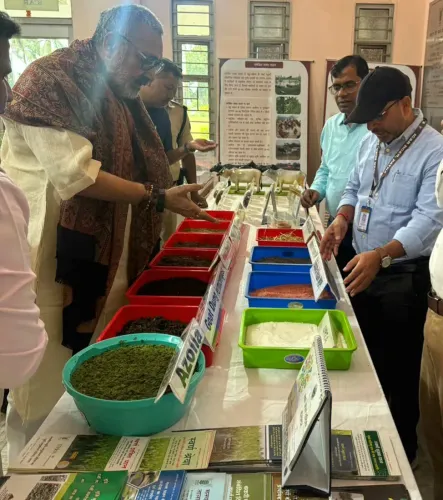
Discussions covered how farmers can prepare natural manure, the methods involved, and its benefits over chemical fertilisers.
ICAR-RCER is a premier Indian Council of Agricultural Research institute serving eastern India's farming communities.
Singh linked the initiative to PM Narendra Modi's broader agenda of making Indian agriculture more sustainable and prosperous.
The outreach continues a policy lineage rooted in the Soil Health Card Scheme (2015) , which first pushed balanced fertiliser use nationally.
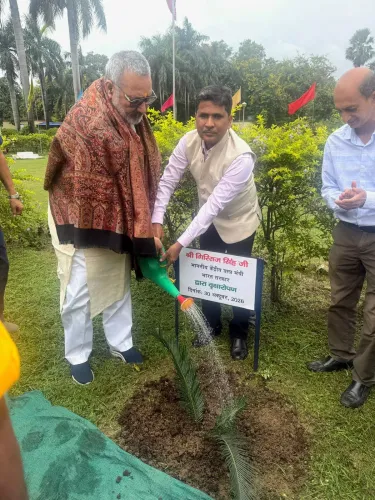
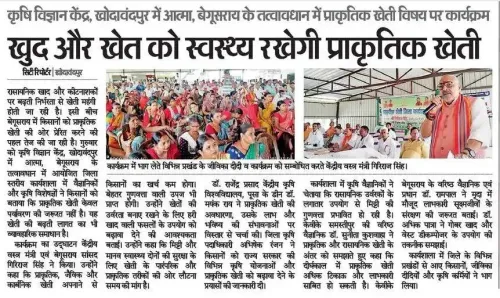
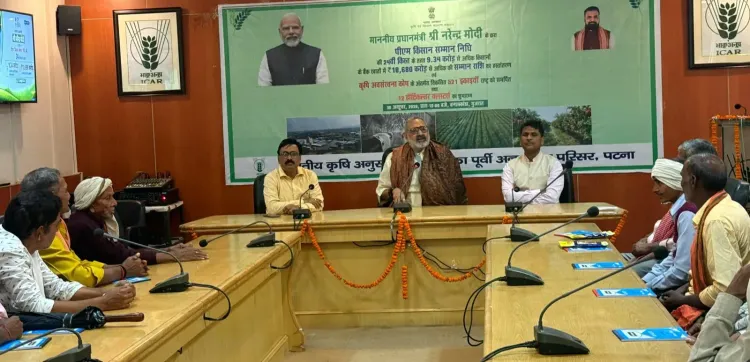
A Textiles Minister walking through a research farm in Patna to talk compost methods with small farmers — that crossover moment captures exactly where India's sustainable agriculture push currently stands. Union Textiles Minister Giriraj Singh visited ICAR-RCER (ICAR Research Complex for Eastern Region) in Patna on Friday, 30 October 2026, engaging directly with farmers under the 'Khet Bachao Abhiyan' (Save the Farm Campaign) to discuss natural manure, preparation techniques, and the benefits of moving away from chemical-heavy inputs.
What the 'Khet Bachao Abhiyan' is telling Bihar's farmers
The campaign's stated goal, as Singh described it, is to build awareness among farmers about sustainable cultivation and the balanced use of agricultural resources — fertilisers included. At the ICAR-RCER event, discussions centred on how natural manure can be prepared at the farm level, the step-by-step process involved, and the economic and soil-health advantages it carries over synthetic alternatives. ICAR-RCER is a premier institute under the Indian Council of Agricultural Research and has historically served as an extension and research hub specifically for eastern India's farming communities.
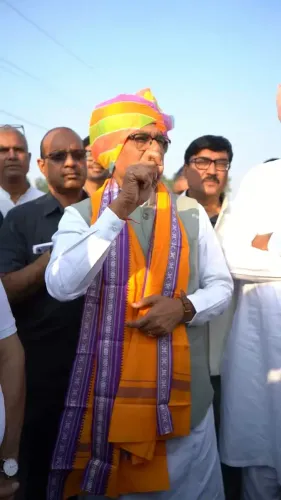
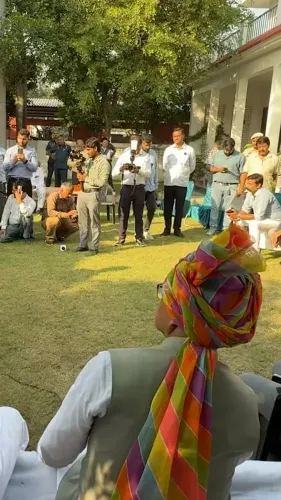
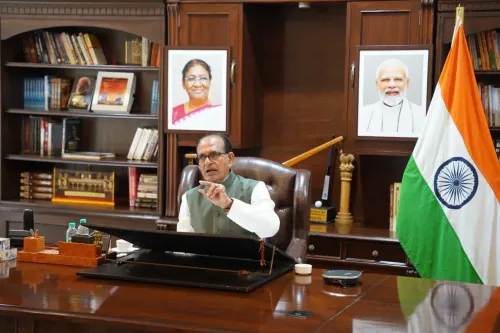
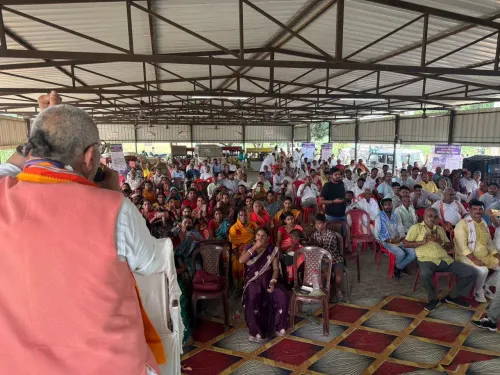
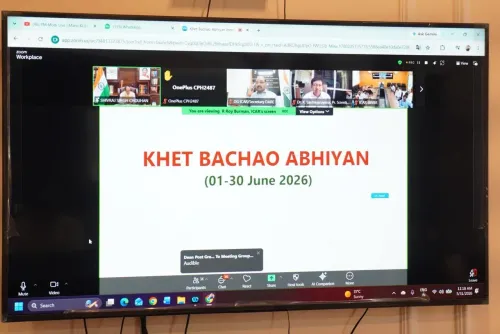
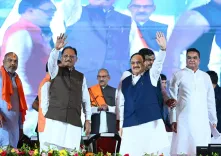
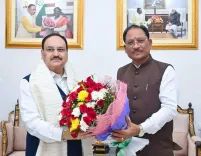
Singh framed the outreach explicitly as part of Prime Minister Narendra Modi's broader effort to make the agriculture sector 'more sustainable and prosperous' — 'kृषि क्षेत्र को अधिक सस्टेनेबल और समृद्ध बनाने के प्रयास'. The event featured four documented photographs, placing Singh in active dialogue with farmers on the research campus.
A Textiles Minister in a farm field — why cross-portfolio outreach matters
Singh represents Begusarai, Bihar — an agrarian constituency — and his participation in a farm-welfare event outside his Textiles portfolio is consistent with a broader pattern of senior BJP ministers doubling as rural development communicators in their home states. Bihar's small farmers, who remain heavily dependent on subsidised chemical fertilisers, are a key audience for any pivot toward natural-input farming.
The policy lineage here runs back to the Soil Health Card Scheme launched in 2015, which pushed balanced fertiliser use and systematic soil testing. The current wave of natural-farming outreach — channelled through institutions like ICAR and campaigns like Khet Bachao Abhiyan — represents the next layer of that effort: moving from awareness of soil damage to active adoption of alternatives.
Eastern India as the new frontier for sustainable farming extension
ICAR-RCER's mandate is precisely this kind of ground-level translation: taking research on farming systems and making it actionable for small and marginal farmers across eastern India. Events that combine ministerial visibility with institutional credibility are designed to do something a circular or a subsidy cannot — put a face and a conversation behind the policy. Whether Bihar's farmers accelerate the shift from chemical to natural inputs will be one of the quieter but consequential agricultural stories to track in the months ahead.
Point of View
Particularly in electorally sensitive Bihar. The 'Khet Bachao Abhiyan' event at ICAR-RCER signals that the government is increasingly routing its sustainable-farming messaging through institutional credibility rather than just subsidy announcements. This approach, combining ministerial visibility with research-body expertise, is part of a longer arc that began with the Soil Health Card Scheme in 2015 and is now deepening into natural-input adoption. Bihar's small farmers — historically dependent on subsidised chemicals — represent both a policy challenge and a political opportunity for the ruling dispensation ahead of future state-level cycles.
NationPress
30 Oct 2026
Frequently Asked Questions
What is the 'Khet Bachao Abhiyan' campaign?
'Khet Bachao Abhiyan' (Save the Farm Campaign) is a farmer awareness initiative aimed at promoting sustainable cultivation practices, including the use of natural manure and balanced agricultural inputs, among farming communities.
Why did Giriraj Singh, a Textiles Minister, attend a farming event?
Giriraj Singh represents Begusarai in Bihar, an agrarian constituency. Senior BJP ministers frequently participate in rural development and agriculture outreach events in their home states, even outside their official portfolios.
What is ICAR-RCER in Patna?
ICAR-RCER (ICAR Research Complex for Eastern Region) in Patna, Bihar, is a premier institute under the Indian Council of Agricultural Research. It focuses on farming systems research and extension services specifically for eastern India.
What did Giriraj Singh discuss with farmers at ICAR-RCER?
Singh engaged with farmers on the use of natural manure, how to prepare it at the farm level, and its benefits — including cost savings and improved soil health — as part of a shift away from chemical-heavy farming.
What is the Soil Health Card Scheme mentioned in the context of sustainable farming?
The Soil Health Card Scheme was launched in 2015 to encourage systematic soil testing and balanced fertiliser use among Indian farmers. It forms part of the policy lineage behind current natural-farming outreach campaigns.