Anurag Thakur Hails HP University's Dr. Bhatia in Stanford Top 2% List
Synopsis
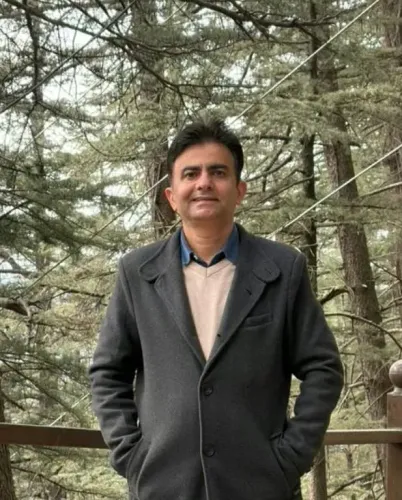
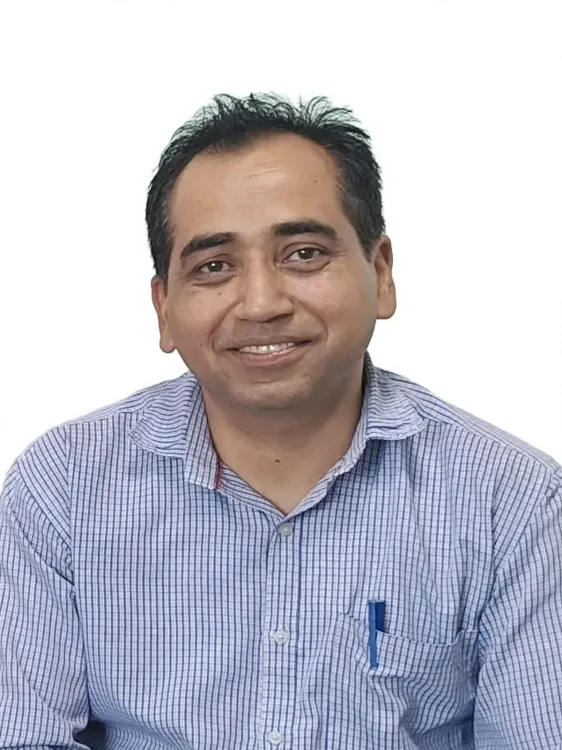
BJP MP Anurag Thakur congratulated Dr. Ravi Kant Bhatia of Himachal Pradesh University, Shimla, on featuring again among the World's Top 2% Scientists in the 2026 Stanford–Elsevier ranking for his work in environmental biotechnology and sustainable bio-resources.
Key Takeaways
Ravi Kant Bhatia , Assistant Professor in Biotechnology at Himachal Pradesh University, Shimla , has been named in the 2026 Stanford–Elsevier World's Top 2% Scientists ranking.
This is a repeated recognition — Thakur's post specifies 'once again,' indicating prior inclusion in earlier editions of the list.
Bhatia's research focuses on environmental problem-solving, sustainable use of biological resources, and innovative biotechnology-based solutions.
The Stanford–Elsevier ranking uses citation-based metrics, making it a globally recognised benchmark for research influence.
BJP MP Anurag Thakur , representing Hamirpur constituency in Himachal Pradesh, highlighted the achievement as an inspiration for the state's research community and young scientists.
A scientist from the hills of Himachal Pradesh has made it onto one of the world's most competitive academic rankings — and BJP MP Anurag Thakur wants the country to take note. On Monday, 26 October 2026, Thakur publicly congratulated Dr. Ravi Kant Bhatia, Assistant Professor in the Department of Biotechnology at Himachal Pradesh University, Shimla, on being recognised once again among the World's Top 2% Scientists in the 2026 Stanford–Elsevier ranking.
Who is Dr. Ravi Kant Bhatia and why this ranking matters
The Stanford–Elsevier ranking is compiled annually using citation-based metrics — a globally accepted measure of how much a scientist's published work influences peers and advances a field. Inclusion in the top 2% places a researcher among a select few thousand scientists worldwide across all disciplines. For a faculty member at a state university in the Himalayan region, the recognition is a significant signal of research output reaching international scale.
Dr. Bhatia's work, as described by Thakur, centres on environmental biotechnology — specifically the potential to address environmental problems, promote the sustainable use of biological resources, and develop innovative biotechnology-based solutions. These are areas of growing global urgency, from bioremediation of polluted ecosystems to sustainable bio-resource management.
Shimla's quiet but consistent research output
Himachal Pradesh University, founded in Shimla, is the state's principal public university and anchors much of its higher-education research ecosystem. The Biotechnology department, while not among India's largest, has sustained a research culture in applied life sciences. Dr. Bhatia's repeated appearance on the Stanford–Elsevier list — Thakur's post notes 'once again' — points to a track record of sustained citation impact, not a single-year anomaly.
Indian researchers in applied sciences, particularly environmental and agricultural biotechnology, have seen growing recognition in citation-based global rankings over the past decade. State university faculty making such lists remains relatively uncommon compared to researchers at IITs, IISERs, or central universities — making this a distinction with genuine regional weight.
Thakur's message to Himachal's young scientists
The MP for Hamirpur and former Union Minister of Information & Broadcasting framed the achievement not just as individual success but as a call to inspiration. 'It is also an inspiration to the university's research community, young scientists, and researchers,' Thakur wrote, signing off with 'Jai Hind, Jai Himachal' — a dual salute to the nation and the state.
Public acknowledgement of scientific achievement by elected representatives carries a quiet but real effect: it signals to funding bodies, university administrators, and students alike that research excellence in a state university is worth noticing. For Dr. Bhatia, the recognition arrives with the weight of both global metrics and local political visibility — a combination that rarely comes together for scientists working outside India's elite research campuses.
Point of View
Where economic conversation often centres on tourism, hydropower, and horticulture, visibility for a research scientist in global rankings offers a different kind of brand value. Thakur's framing of the achievement as inspiration for 'young scientists and researchers' also quietly makes a case for sustained state investment in university research infrastructure — a point that carries policy undertones even in a congratulatory post.
NationPress
26 Oct 2026
Frequently Asked Questions
Who is Dr. Ravi Kant Bhatia?
Dr. Ravi Kant Bhatia is an Assistant Professor in the Department of Biotechnology at Himachal Pradesh University, Shimla. He has been recognised among the World's Top 2% Scientists in the 2026 Stanford–Elsevier ranking for his research in environmental biotechnology and sustainable use of biological resources.
What is the Stanford–Elsevier World's Top 2% Scientists ranking?
The Stanford–Elsevier ranking is an annual global list compiled using citation-based metrics that measure how widely a scientist's published research is referenced by peers. Being in the top 2% means a researcher's work is among the most-cited in the world within their discipline.
Why did Anurag Thakur congratulate Dr. Bhatia?
BJP MP Anurag Thakur, who represents the Hamirpur constituency in Himachal Pradesh, congratulated Dr. Bhatia on being recognised in the 2026 Stanford–Elsevier top 2% scientists list, calling it an inspiration for Himachal Pradesh's research community, young scientists, and researchers.
Which university does Dr. Ravi Kant Bhatia work at?
Dr. Ravi Kant Bhatia works at Himachal Pradesh University in Shimla, the state's principal public university, where he is an Assistant Professor in the Department of Biotechnology.
What does Dr. Bhatia's research focus on?
Dr. Bhatia's research focuses on addressing environmental problems, promoting the sustainable use of biological resources, and developing innovative biotechnology-based solutions — areas that fall broadly under environmental and applied biotechnology.