HP Wildlife Board's 12th Meet Weighs Development vs Conservation
Synopsis
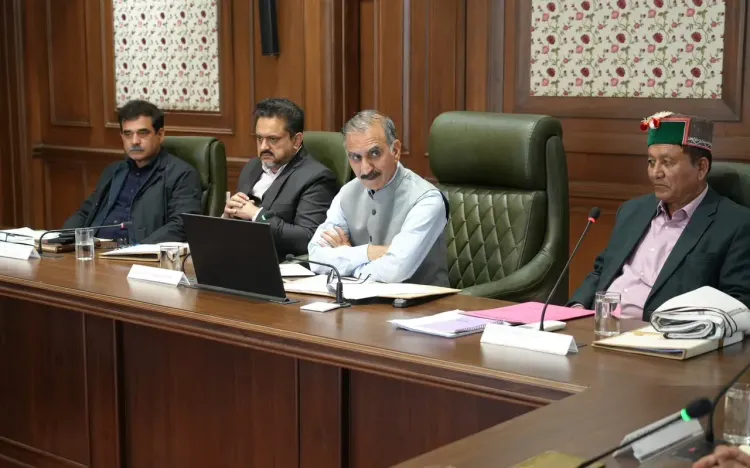
The Himachal Pradesh State Wildlife Board held its 12th meeting in Shimla on October 24, 2026, chaired by the Chief Minister's Office, deliberating on proposals for industrial development, border infrastructure, road connectivity, forest land diversion, and wildlife conservation.
Key Takeaways
The 12th meeting of the HP State Wildlife Board was chaired in Shimla on October 24, 2026 .
The agenda covered industrial development, border area infrastructure, road connectivity, non-forestry use of forest land , and wildlife conservation proposals.
The board is a statutory body under the Wildlife (Protection) Act, 1972 , mandated to advise on conservation and evaluate forest land diversion proposals.
Proposals cleared by the state board must subsequently seek central environmental and wildlife clearances from the Ministry of Environment, Forest and Climate Change .
The meeting reflects the recurring tension in Himalayan states between strategic connectivity and border infrastructure needs on one side, and biodiversity protection in ecologically fragile zones on the other.
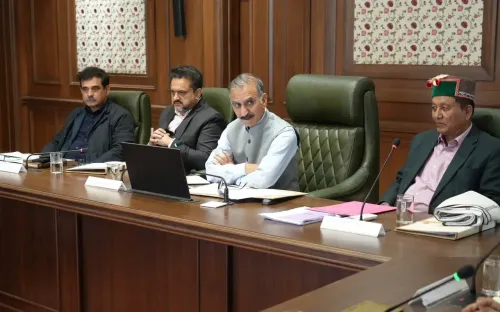
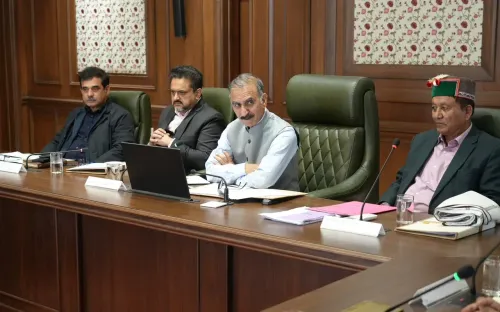
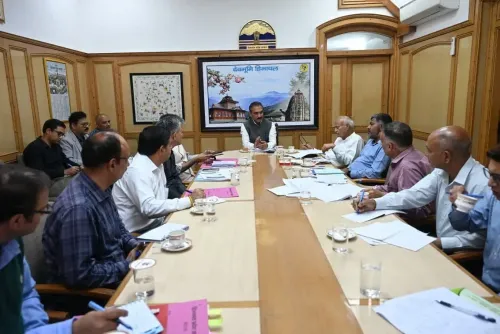
In the shadow of the Himalayas, where a road cut through a ridge can mean the difference between a connected border village and an isolated one — or between a thriving forest corridor and a fragmented one — Himachal Pradesh convened a meeting that sits at exactly that fault line. The Chief Minister's Office of Himachal Pradesh announced on Saturday, October 24, 2026, that the 12th meeting of the Himachal Pradesh State Wildlife Board was chaired in Shimla today.
The post, shared in Hindi, stated: 'Aaj Shimla mein Himachal Pradesh Rajya Vanyajeev Board ki 12vi baithak ki adhyakshata ki' — 'Today, chaired the 12th meeting of the Himachal Pradesh State Wildlife Board in Shimla.' The agenda, as described, covered proposals spanning industrial development, border area infrastructure, road connectivity, non-forestry use of forest land, and wildlife conservation.
A Statutory Board at the Crossroads of Growth and Green Cover
The Himachal Pradesh State Wildlife Board is a statutory body constituted under the Wildlife (Protection) Act, 1972 — one of India's foundational environmental laws. Its core mandate is to advise the state government on wildlife conservation and management, and critically, to evaluate proposals that seek to divert protected or forest land for non-forestry purposes. No such diversion can proceed without the board's scrutiny.
That mandate makes each board meeting consequential. Industrial projects, border roads, and connectivity schemes in Himalayan states almost inevitably intersect with ecologically sensitive land. The board's deliberations are, in effect, the first institutional filter between a development proposal and a forest clearance application to the central government.
Border Infrastructure and the Ecology Equation in Himachal
The inclusion of border area infrastructure on the agenda is particularly significant. Himachal Pradesh shares sensitive frontiers, and accelerating connectivity in those zones has been a national security and strategic priority. Yet those same zones — high-altitude passes, river valleys, alpine meadows — often fall within or adjacent to protected wildlife habitats.
Himalayan states routinely face this tension: the Forest Conservation Act and wildlife protection norms require that any diversion of forest land clear multiple regulatory hurdles, of which the State Wildlife Board's recommendation is one. The 12th meeting reflects a pattern seen across hill states — development pressure is real, ecological stakes are equally real, and the board is the arena where both are forced into the same room.
What Comes Next After the Boardroom
The immediate next step to watch is the publication of meeting minutes or government orders that approve, reject, or conditionally clear specific proposals discussed today. Any proposals cleared at the state level would then move toward central environmental or wildlife clearances — a further layer of scrutiny under the Ministry of Environment, Forest and Climate Change. The outcomes of this October 24 meeting could shape the trajectory of multiple infrastructure and industrial projects across the state's ecologically fragile zones.
In a state where every road built is a forest negotiated, the wildlife board's 12th sitting is not a bureaucratic formality — it is where Himachal Pradesh's development story gets its environmental price tag.
Point of View
Which routinely generates friction with forest and wildlife protection norms. For Himachal Pradesh, a state whose ecological identity is inseparable from its Himalayan geography, how these proposals are cleared or conditioned will set precedents for future diversion requests. The board's decisions, once published, will be a reliable indicator of how the state government balances economic and strategic imperatives against its conservation commitments.
NationPress
24 Oct 2026
Frequently Asked Questions
What is the Himachal Pradesh State Wildlife Board?
The Himachal Pradesh State Wildlife Board is a statutory body constituted under the Wildlife (Protection) Act, 1972. It advises the state government on wildlife conservation and management, and evaluates proposals for diverting forest or protected land for non-forestry purposes such as roads, industry, and infrastructure.
What was discussed at the 12th HP Wildlife Board meeting?
The 12th meeting, held in Shimla on October 24, 2026, discussed proposals related to industrial development, border area infrastructure, road connectivity, non-forestry use of forest land, and wildlife conservation, according to the Chief Minister's Office.
Why does the State Wildlife Board matter for development projects in Himachal Pradesh?
Any project requiring diversion of forest or protected land in Himachal Pradesh must receive the State Wildlife Board's recommendation before it can proceed to central government clearances. The board acts as a critical regulatory filter between a development proposal and formal environmental approval.
What happens after the State Wildlife Board clears a proposal?
After state-level clearance, proposals typically move to the Ministry of Environment, Forest and Climate Change for central environmental and wildlife clearances — an additional layer of regulatory scrutiny required under national forest and wildlife protection laws.
Why is border infrastructure on the wildlife board's agenda?
Border area roads and infrastructure in Himachal Pradesh frequently pass through or near ecologically sensitive and protected forest zones. Any such construction requiring forest land diversion must be evaluated by the State Wildlife Board before work can legally proceed.