IAF evacuates 100+ civilians in Nagaland landslide relief ops
Synopsis
The IAF airlifted over 100 stranded civilians from landslide-hit Nagaland on 28 July, including exam candidates whose travel was blocked by highway closures. With road links to Mon and Longleng still severed, aerial operations are the only lifeline — and the NSDMA says they will continue as long as the monsoon crisis persists.
Key Takeaways
The Indian Air Force evacuated more than 100 civilians from Kohima and Dimapur on 28 July amid severe monsoon landslides in Nagaland.
Road links to Mon and Longleng districts remain severed, making aerial operations the primary relief channel.
Evacuees included candidates scheduled for the NPSC Combined Education Services Examination (CESE) .
Relief supplies — food, medical kits, and clothing — were airlifted to Longleng district headquarters.
ERF financial assistance was disbursed to affected families in Wokha , Shamator , and Zunheboto districts.
Chief Minister Neiphiu Rio confirmed SDRF teams are coordinating across all affected districts.
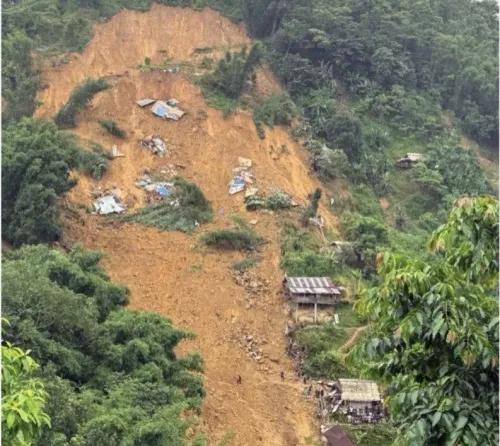
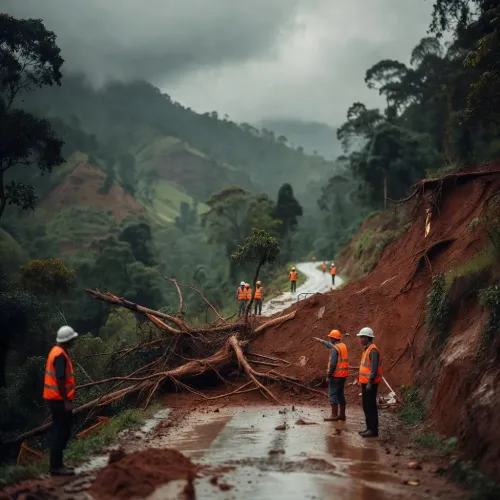
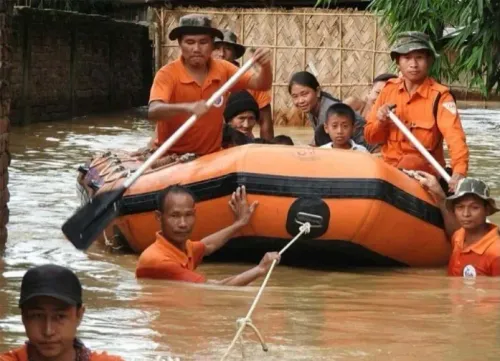
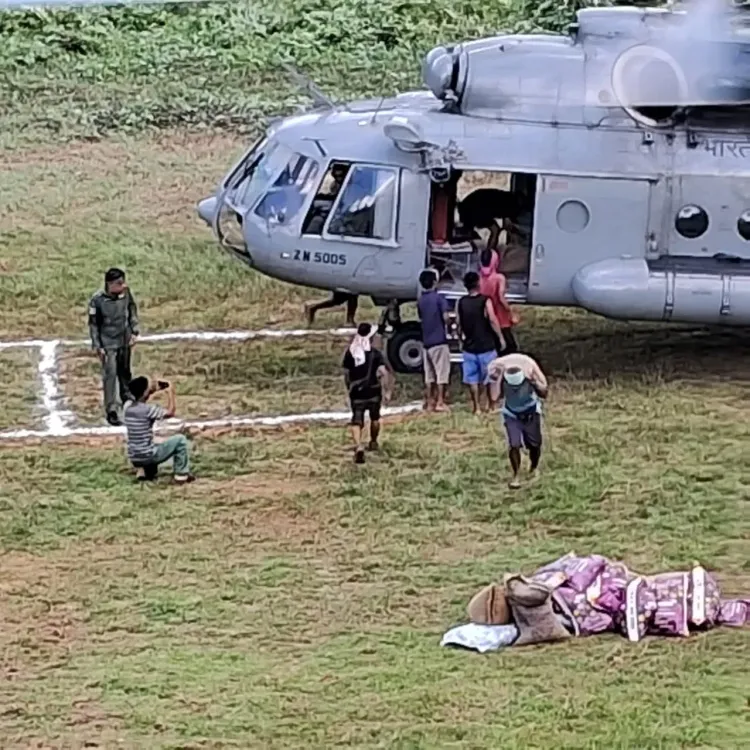
The Indian Air Force (IAF), operating in close coordination with the Nagaland state government, on Tuesday, 28 July continued large-scale rescue and relief operations across landslide-hit districts, safely evacuating more than 100 stranded civilians from Kohima and Dimapur while airlifting essential supplies to remote areas severed by heavy monsoon rains. The operations mark one of the most intensive aerial humanitarian responses in the state this monsoon season.
Scale of Operations
The Nagaland State Disaster Management Authority (NSDMA) said the IAF was formally requisitioned after road links to Mon and Longleng districts remained completely cut off due to landslides and incessant rainfall. A state government helicopter was also deployed to supplement evacuation efforts. Aerial relief operations were extended specifically to Longleng district headquarters in eastern Nagaland, delivering food items, medical kits, clothing, and other essential humanitarian supplies.
Among those evacuated were candidates scheduled to appear for the Nagaland Public Service Commission (NPSC) Combined Education Services Examination (CESE), whose travel plans were severely disrupted by highway closures across the state.
Ground-Level Relief Efforts
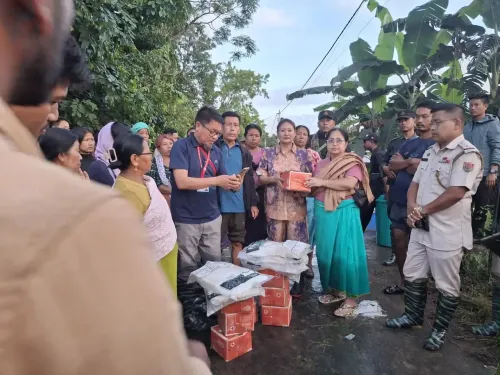
Beyond air operations, relief distribution was expanded to multiple districts. Trucks carrying essential materials were dispatched from Mokokchung to Tuli, while ration assistance reached stranded and displaced families in Changtongya. District Disaster Management Authorities (DDMAs) across the state have also stepped up financial assistance to affected households under the Emergency Relief Fund (ERF).
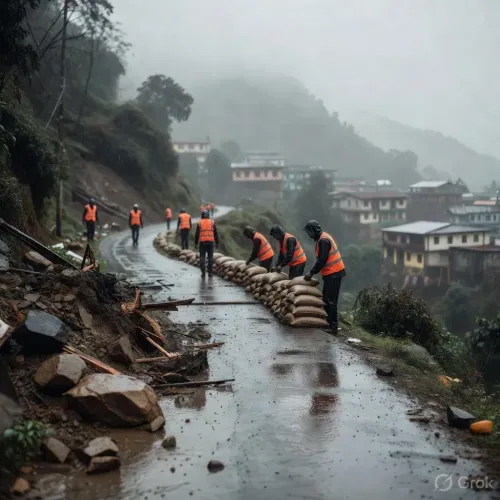
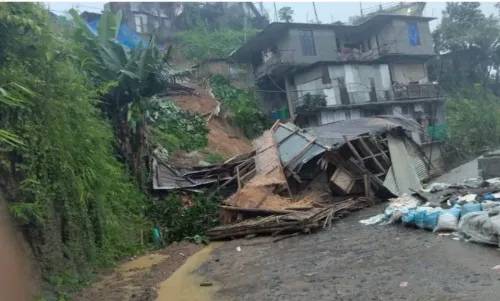
In Wokha district, ERF assistance was extended to families whose houses and retaining walls were damaged by landslide-triggered rainfall. In Shamator district, Deputy Commissioner Arikumba personally handed over immediate relief to two families whose homes suffered rain-related damage. In Zunheboto district, five families affected by recent landslides received ERF assistance. The NSDMA confirmed that financial assistance has been released to all districts to support road restoration, debris clearance, and emergency response.
What the Government Said
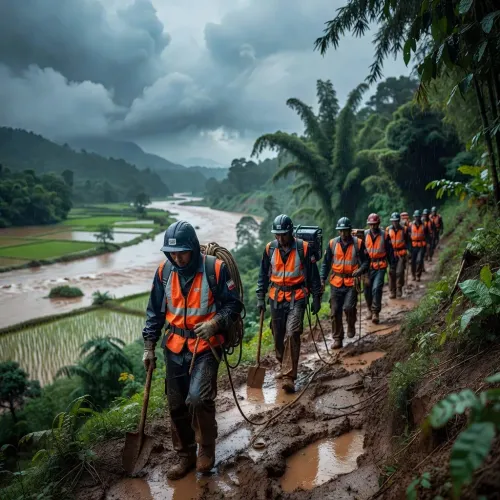
Nagaland Chief Minister Neiphiu Rio, in a post on X, said State Disaster Response Force (SDRF) personnel from the Department of Home Guards, Civil Defence and SDRF are working alongside other emergency response agencies and line departments in a coordinated effort to support relief operations and restore affected areas.
The NSDMA added that aerial evacuation and relief operations would continue as and when required, depending on the evolving ground situation and prevailing weather conditions. Priority is being accorded to damage assessment, restoration of essential services, and clearance of landslide-blocked roads.
What Happens Next
The state government, along with the IAF, SDRF, and district administrations, remains on high alert as the monsoon season continues to pose risks across Nagaland. With road connectivity still disrupted in several districts, aerial operations are expected to remain the primary lifeline for cut-off communities in the days ahead.
Point of View
Forcing the Air Force into a civilian logistics role. The evacuation of exam candidates alongside disaster victims highlights how cascading disruptions — from education to livelihoods — compound the humanitarian toll. The NSDMA's reliance on aerial requisitioning as a routine monsoon tool raises a harder question: when does emergency response become a substitute for the long-overdue resilience investment in hill-road infrastructure?
NationPress
27 Oct 2026
Frequently Asked Questions
How many civilians did the IAF evacuate in Nagaland on 28 July?
The Indian Air Force evacuated more than 100 stranded civilians from Kohima and Dimapur on 28 July, as part of ongoing rescue and relief operations in landslide-affected areas of Nagaland. Aerial operations were also extended to Longleng district headquarters for supply delivery.
Which Nagaland districts were worst affected by the monsoon landslides?
Mon and Longleng districts had their road links completely severed by landslides and heavy rainfall, prompting the NSDMA to requisition IAF aircraft. Wokha, Shamator, Zunheboto, Mokokchung, and Changtongya districts also reported significant damage and displacement.
Why were exam candidates among those evacuated?
Candidates scheduled to appear for the Nagaland Public Service Commission (NPSC) Combined Education Services Examination (CESE) were stranded after highway and road closures disrupted travel across the state. They were evacuated alongside other civilians in the IAF relief operations.
What relief materials were airlifted to affected districts?
The IAF transported food items, medical kits, clothing, and other essential humanitarian supplies to cut-off districts, particularly Longleng. Ground-level distribution also included truck convoys from Mokokchung to Tuli and ration assistance in Changtongya.
Will aerial relief operations continue in Nagaland?
Yes. The NSDMA confirmed that aerial evacuation and relief operations will continue as and when required, depending on the evolving ground situation and weather conditions. The state government, IAF, and SDRF remain on high alert across all monsoon-affected districts.