Kasauli forest fire contained: IAF, Army deploy Mi-17 helicopters in historic night op
Synopsis
India's armed forces pulled off a historic first: aerial firefighting at night using Night Vision Goggles, as IAF Mi-17 helicopters dropped 93,000 litres of water to save the Kasauli Cantonment and Air Force Station from a fast-spreading forest blaze. The operation sets a new benchmark for joint civil-military disaster response.
Key Takeaways
The Kasauli forest fire , which broke out on 26 May 2026 near Jangesu Panchayat , has been fully brought under control.
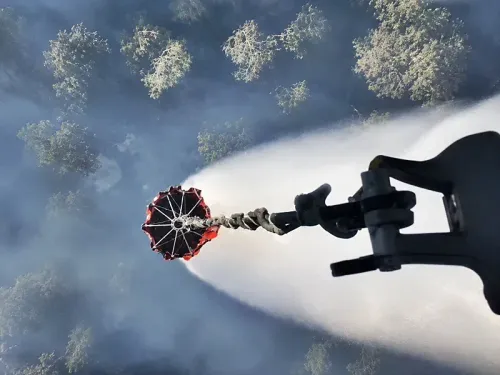
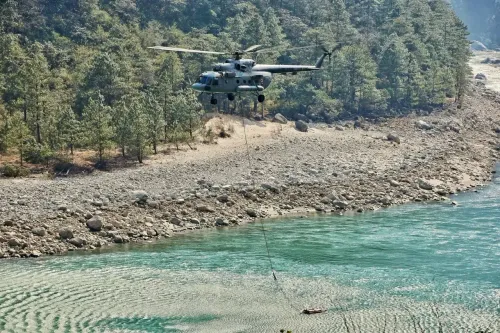
IAF Mi-17 V5 helicopters equipped with Bambi Buckets dropped a total of 93,000 litres of water sourced from Sukhna Lake, Chandigarh .
In a documented first, the IAF conducted nocturnal aerial water-dropping sorties using Night Vision Goggles (NVGs) .
The operation protected the Kasauli Cantonment and the Air Force Station, Kasauli from the advancing blaze.
Ground support was provided by the Indian Army , the Kasauli Cantonment Board , and Himachal Pradesh civil fire services.
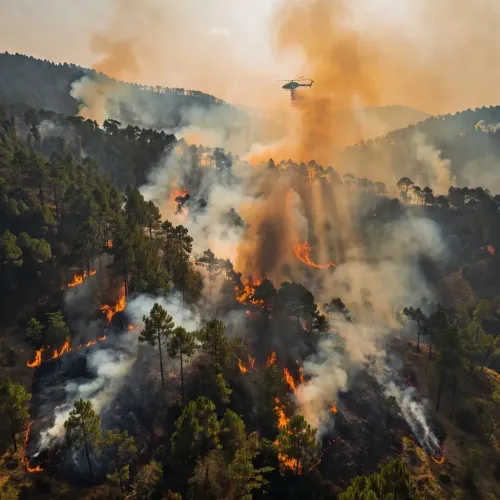
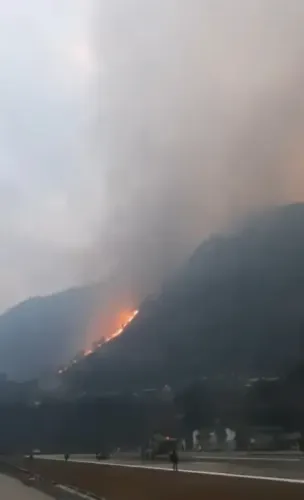
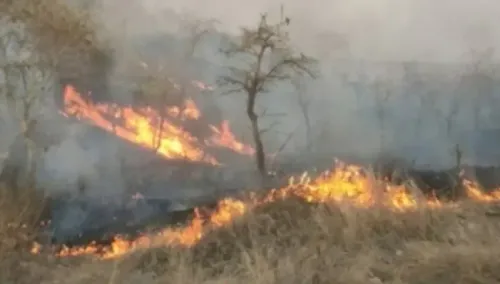
A massive joint firefighting operation by the Indian Air Force (IAF), the Indian Army, and the Himachal Pradesh administration has brought the devastating Kasauli forest fire under control, following a sustained day-and-night effort that included India's first-ever nocturnal aerial water-dropping mission using Night Vision Goggles (NVGs). The blaze, which erupted on 26 May 2026, threatened the historic Kasauli Cantonment and the Air Force Station, Kasauli before being subdued.
How the Fire Started
The fire was first reported at approximately 2:50 pm on 26 May 2026, near the Jangesu Panchayat area on the western slopes of Kasauli. Strong winds rapidly drove the blaze across densely forested hilly terrain, creating an acute threat to nearby habitations, military establishments, and critical infrastructure. The Kasauli Cantonment Board and civil fire services were among the first responders before the armed forces were pressed into action.
The Joint Aerial and Ground Operation
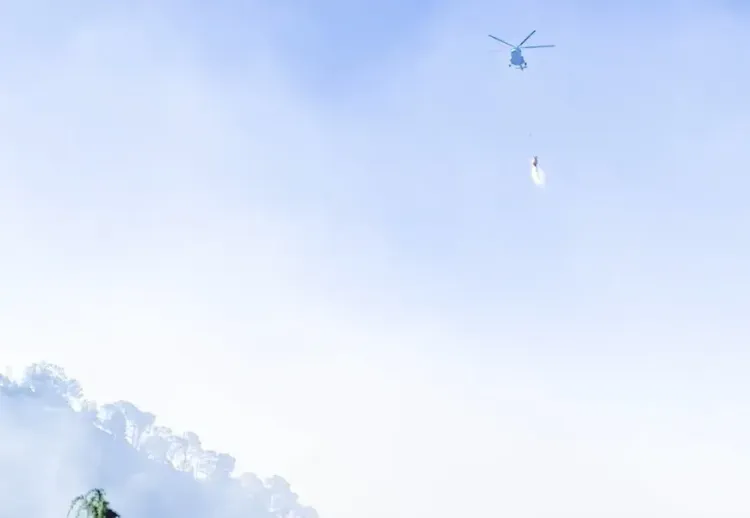
The IAF deployed Mi-17 V5 helicopters fitted with Bambi Buckets, conducting repeated sorties over the fire-affected slopes. Water was drawn from Sukhna Lake in Chandigarh, with each sortie carrying between 2,000 and 2,500 litres per trip. Over the course of the operation, a cumulative total of 93,000 litres of water was airdropped onto the burning terrain, according to officials.
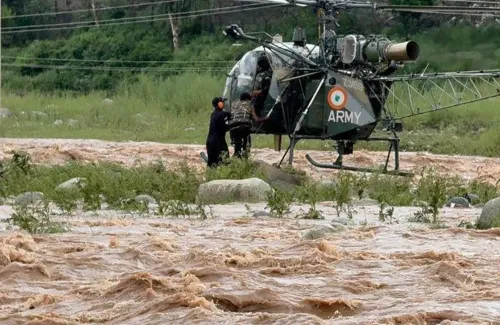
Ground teams from the Indian Army and state administration worked in parallel, supporting containment efforts across the challenging landscape. The Ministry of Defence described the coordination as a model joint-forces response.
A Historic First: Night Firefighting With NVGs
'Indian Air Force, with active assistance from the Army and the State administration, played a major role in extinguishing the Kasauli forest fire. Mi-17 V5 helicopters using Bambi Buckets were pressed into action on May 26, 2026, to airdrop water over areas affected by fire. The operation was carried out by day and, in a first, by night using NVGs,' the Ministry of Defence said in an official statement posted on X.
The ministry added: 'Despite inherent risks from fire, challenging terrain, smoke and night operations, firefighting continued until the fire was brought under control, saving lives and infrastructure on the ground.' The cockpit footage captured through night-vision equipment — showing large flames visible from the air and helicopters executing water drops over smoke-covered hills — was also shared publicly by the ministry.
Notably, conducting aerial firefighting operations after dark using NVGs represents a significant capability milestone for the IAF. Night sorties are considerably more hazardous given reduced visibility, unpredictable smoke columns, and the risk of disorientation over mountainous terrain.
What Was at Stake
The Kasauli Cantonment, one of India's oldest hill cantonments with origins dating to the British colonial era, and the co-located Air Force Station were both in the fire's path. The region is also home to civilian habitations and ecologically sensitive forest cover. Officials said the timely intervention of aerial assets was decisive in preventing the fire from breaching the cantonment perimeter.
What Comes Next
With the fire now under control, attention is expected to shift to post-fire ecological assessment and a review of forest-fire preparedness across Himachal Pradesh, which has seen a rise in fire incidents in recent summers. The success of NVG-assisted night operations may prompt the IAF to formalise this capability as part of its disaster-response doctrine going forward.
Point of View
Yet the institutional response has lagged behind the scale of the threat. If the IAF now codifies night-sortie firefighting into its standard disaster doctrine, it could meaningfully change outcomes in future incidents. The deeper question, however, is whether this reactive capability-building will be matched by proactive forest management and early-warning systems — because no amount of NVG flying compensates for the absence of fire breaks and ground-level preparedness.
NationPress
21 Oct 2026
Frequently Asked Questions
What caused the Kasauli forest fire in May 2026?
The fire broke out on 26 May 2026 near the Jangesu Panchayat area on the western slopes of Kasauli, reportedly at around 2:50 pm. Strong winds rapidly spread the blaze across hilly forested terrain, threatening the Kasauli Cantonment and the Air Force Station.
How did the IAF help extinguish the Kasauli fire?
The IAF deployed Mi-17 V5 helicopters fitted with Bambi Buckets, which conducted multiple sorties drawing water from Sukhna Lake in Chandigarh. A total of 93,000 litres of water was dropped over the fire-affected areas, including during night operations using Night Vision Goggles.
What made this firefighting operation historically significant?
For the first time, the IAF conducted aerial water-dropping operations at night using Night Vision Goggles (NVGs). Night firefighting sorties are considerably more hazardous due to reduced visibility, smoke, and mountainous terrain, making this a notable capability milestone.
Which areas were at risk from the Kasauli forest fire?
The Kasauli Cantonment — one of India's oldest hill cantonments — and the co-located Air Force Station were directly in the fire's path. Nearby civilian habitations and ecologically sensitive forest cover were also under threat.
Who was involved in the joint firefighting operation at Kasauli?
The operation involved the Indian Air Force, the Indian Army, the Kasauli Cantonment Board, Himachal Pradesh civil fire services, and the state administration. The Ministry of Defence coordinated and publicly acknowledged the joint effort.