IIT-Bombay to replace ceiling fans after student Sahil Wakode's death
Synopsis
IIT-Bombay's plan to swap ceiling fans for wall-mounted ones in the wake of Sahil Wakode's death has drawn sharp criticism — with opponents arguing the move sidesteps the real crisis of caste discrimination, academic pressure, and systemic failure that critics say drove a 22-year-old student to his death.
Key Takeaways
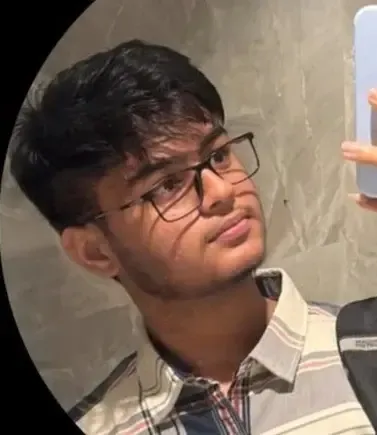
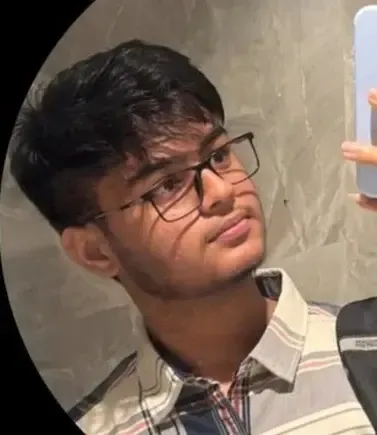
Sahil Wakode , a 22-year-old second-year student at IIT-Bombay , was found dead in his hostel room on Friday, 19 September 2026 .
The incident reportedly occurred hours after Wakode was allegedly caught using ChatGPT on his phone during a mid-semester exam.
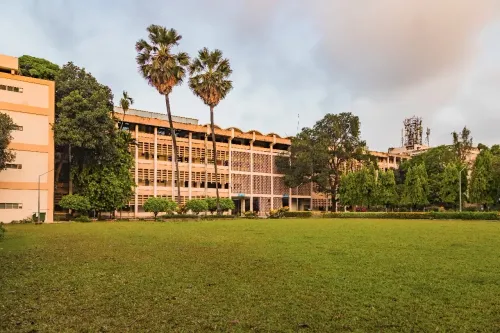
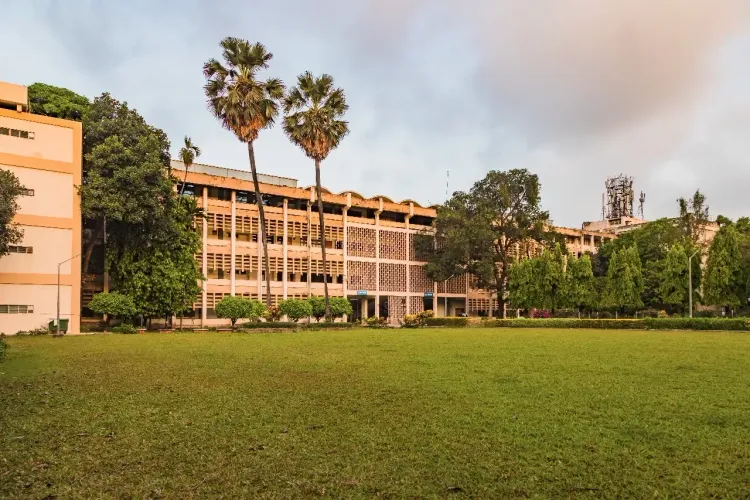
IIT-Bombay is replacing ceiling fans with wall-mounted fans in parts of its Powai campus ; the first consignment has arrived and installation is expected shortly.
Professor Suryanarayana Doolla was removed as Dean of Administrative Affairs on Monday following campus protests; he remains a faculty member.
Mumbai Police have booked Doolla under the SC/ST (Prevention of Atrocities) Act and Section 108 of the Bharatiya Nyaya Sanhita (abetment of suicide).
Wakode's father Ravindra Wakode has alleged caste-based harassment and mocking, and has sought a formal investigation into the institute administration's role.
IIT-Bombay is set to replace ceiling fans in sections of its Powai campus with wall-mounted fans, according to sources, following the death of 22-year-old student Sahil Wakode and amid mounting demands for institutional accountability and stronger student welfare measures. The development has sparked a political and civic debate over whether infrastructure changes can address the deeper crisis of student suicides at premier engineering institutions.
What Happened
Sahil Wakode, a second-year student in the Department of Energy Science and Engineering and a native of Yavatmal district in Maharashtra, was found hanging from a ceiling fan in his hostel room on Friday evening, 19 September 2026. According to reports, the incident occurred hours after Wakode was allegedly caught using a mobile phone to access ChatGPT during a mid-semester examination.
His father, Ravindra Wakode, has alleged that his son was subjected to mocking, harassment, and caste-based discrimination — claims that have since triggered a formal police case and campus-wide protests.
The Fan Replacement Plan
Sources indicate the first consignment of wall-mounted fans has already arrived on campus, with installation expected to begin shortly. Although the administration has described the move as part of an ongoing renovation exercise, the timing — in the immediate aftermath of Wakode's death — has drawn intense scrutiny. Discussions over replacing ceiling fans had reportedly been underway for approximately two months, with the proposal receiving approval recently. The institute administration has so far not issued an official statement on the replacement programme.
Political and Public Criticism
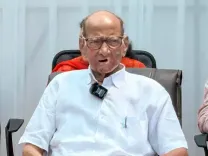
NCP(SP) spokesperson Anish Gavande questioned whether a change in fan type could meaningfully address the systemic problem of student suicides at IITs. 'Does IIT-Bombay really think that replacing ceiling fans with wall fans will solve the suicide problem affecting IITs across the country?' Gavande said. He called for a greater emphasis on suicide prevention infrastructure and mental health support systems for students.
Institutional Response and Police Action
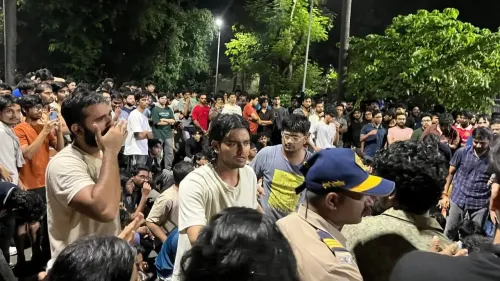
Following protests on campus by students and political activists, IIT-Bombay on Monday removed Professor Suryanarayana Doolla from his position as Dean of Administrative Affairs. Doolla, however, continues to serve as a faculty member at the institute.
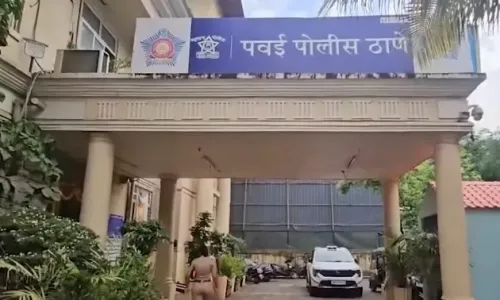
Following a complaint filed by Wakode's family, the Mumbai Police have booked Professor Suryanarayana Doolla under provisions of the Scheduled Castes and Scheduled Tribes (Prevention of Atrocities) Act and Section 108 of the Bharatiya Nyaya Sanhita, which pertains to abetment of suicide. The investigation into the student's death and the allegations raised by his family remains ongoing.
Broader Context
Wakode's death is the latest in a series of student suicides at India's premier technical institutions, each prompting fresh scrutiny over mental health infrastructure, caste discrimination, and academic pressure. This case is particularly significant given the intersection of alleged caste-based harassment, examination stress, and the institutional response that followed. Advocacy groups and student bodies have long argued that structural reforms — not reactive infrastructure changes — are needed to address the root causes of student distress at IITs.
With the police investigation underway and the campus community still unsettled, all eyes will be on what systemic changes, if any, the institute commits to beyond the fan replacement.
Point of View
Auditable action — but it risks becoming a substitute for the harder institutional reckoning that Wakode's death demands. The allegations of caste-based harassment, if borne out, point to a failure of grievance mechanisms that no infrastructure retrofit can fix. IIT-Bombay's pattern of reactive gestures — a dean's removal, a fan order — without published mental health data or an independent inquiry framework mirrors how elite institutions have handled similar crises before, to little lasting effect. The criminal booking of a senior professor under the SC/ST Act is unusual and significant; how the investigation proceeds will test whether accountability in India's premier technical institutions is real or ceremonial.
NationPress
22 Sept 2026
Frequently Asked Questions
Who was Sahil Wakode and what happened at IIT-Bombay?
Sahil Wakode was a 22-year-old second-year student in the Department of Energy Science and Engineering at IIT-Bombay, originally from Yavatmal district in Maharashtra. He was found dead in his hostel room on Friday, 19 September 2026, reportedly hours after being allegedly caught using ChatGPT on his phone during a mid-semester examination.
Why is IIT-Bombay replacing ceiling fans?
IIT-Bombay is replacing ceiling fans with wall-mounted fans in parts of its Powai campus, a move attributed by the administration to an ongoing renovation exercise. The plan has drawn attention because discussions reportedly began about two months ago and approval came recently, coinciding with the aftermath of Sahil Wakode's death.
What action was taken against Professor Suryanarayana Doolla?
Professor Suryanarayana Doolla was removed from his position as Dean of Administrative Affairs on Monday following campus protests over Wakode's death. Mumbai Police subsequently booked him under the Scheduled Castes and Scheduled Tribes (Prevention of Atrocities) Act and Section 108 of the Bharatiya Nyaya Sanhita, relating to abetment of suicide. He continues to remain a member of IIT-Bombay's faculty.
What allegations has Wakode's family made?
Wakode's father, Ravindra Wakode, has alleged that his son was subjected to mocking, harassment, and caste-based discrimination. He has sought a formal investigation into the circumstances of his son's death and into the alleged role of the institute administration.
Has the fan replacement plan been criticised?
Yes. NCP(SP) spokesperson Anish Gavande questioned whether replacing ceiling fans addresses the broader problem of student suicides at IITs, calling instead for stronger suicide prevention infrastructure and mental health support. Critics argue the move is a reactive measure that does not tackle systemic issues of caste discrimination and academic pressure.