Is India's agriculture growth rate of 4.4 percent a global milestone? - Shivraj Singh Chouhan
Synopsis
Union Agriculture Minister Shivraj Singh Chouhan reveals that India's agriculture sector has outperformed the global average with a growth rate of 4.4 percent over five years. This article explores the significant advancements in food production, horticulture, rural infrastructure, and technological initiatives that underline India's agricultural resilience.
Key Takeaways
India's agriculture sector growth rate is 4.4%.
Record foodgrain production of 357.73 million tonnes.
Horticulture sector contributes significantly to GVA.
Rural infrastructure has seen major improvements.
Digital initiatives enhance land records management.
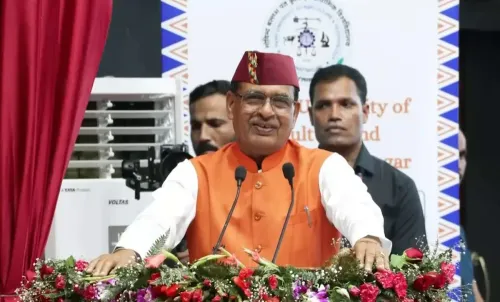
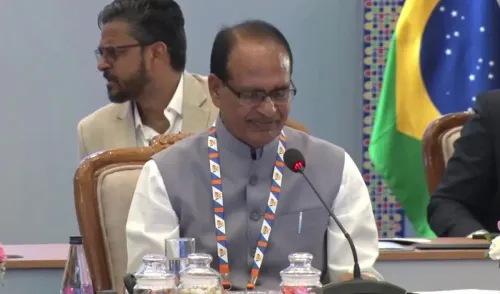
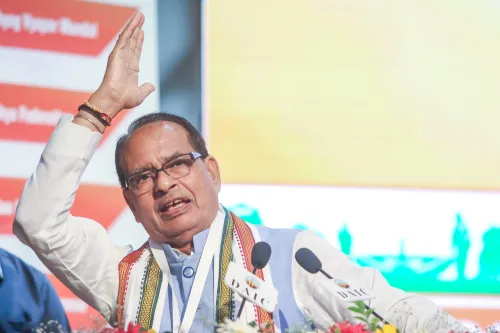
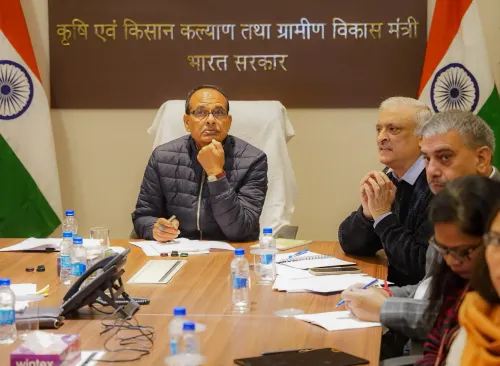
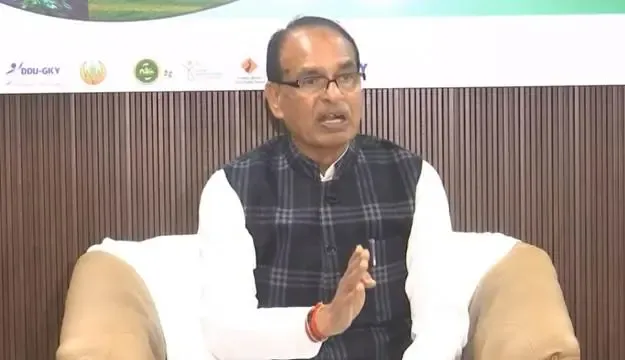
New Delhi, Feb 2 (NationPress) The Union Minister for Agriculture and Farmers' Welfare, Shivraj Singh Chouhan, announced on Monday that the agriculture and allied sectors in India have achieved an impressive average annual growth rate of 4.4 percent over the past five years, surpassing the global benchmark.
Referring to statistics from the Economic Survey, he highlighted that from the fiscal year 2016 to 2025, the agricultural sector has attained a decadal growth rate of 4.45 percent, marking the highest growth when compared to earlier decades.
In addition, he noted that during the second quarter of the fiscal year 2025–26, this sector recorded a growth rate of 3.5 percent, showcasing its resilience and robustness.
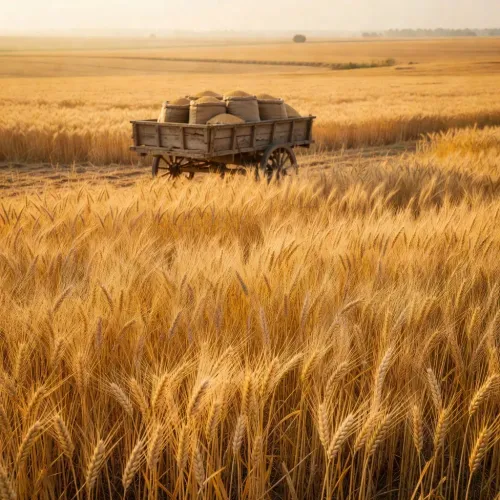
The Union Minister stated that in the fiscal year 2024–25, India's foodgrain production reached an unprecedented 357.73 million tonnes. This remarkable achievement was largely attributed to enhanced yields of rice, wheat, maize, and coarse cereals, including ‘Shree Anna’ (millets).
Chouhan remarked, “Today, India stands not just self-sufficient in food production but also plays a pivotal role globally in various crops.”
He further mentioned that the horticulture sector, contributing nearly 33 percent to the agricultural gross value added (GVA), has emerged as a shining aspect of Indian agriculture. Horticulture production grew from 280.70 million tonnes in the fiscal year 2013–14 to 367.72 million tonnes in 2024–25.
During this growth period, fruit production accounted for 114.51 million tonnes, vegetable production reached 219.67 million tonnes, and other horticultural crops contributed 33.54 million tonnes.
India has also established itself as the leading global producer of onions, contributing nearly 25 percent of worldwide onion output. Additionally, it holds the position of the second-largest producer of vegetables, fruits, and potatoes, with a global share of approximately 12–13 percent in each category.
Chouhan emphasized that the Economic Survey illustrates how a consistent policy focus, institutional reforms, and targeted investments have fortified agriculture and revolutionized rural India.
He pointed out advancements in rural infrastructure, such as roads, housing, drinking water, and digital connectivity. Under the Pradhan Mantri Gram Sadak Yojana (PMGSY), over 99.6 percent of eligible habitations are now linked with all-weather roads.
He added that under PMGSY-IV, road projects covering over 10,000 kilometers have been sanctioned, ensuring access to vital services for approximately 3,270 unconnected habitations across regions like Jammu and Kashmir, Chhattisgarh, Uttarakhand, Rajasthan, Sikkim, and Himachal Pradesh.
Moreover, under the ‘Housing for All’ initiative, 3.70 crore pucca houses have been constructed in rural areas over the past 11 years. The Pradhan Mantri Awas Yojana–Gramin has set a target of 4.14 crore houses, most of which are already approved.
Chouhan also mentioned technological advancements, stating that under the SVAMITVA scheme, drone surveys have been conducted in 3.28 lakh villages, with 2.76 crore property cards issued. The Digital India Land Records Modernisation Programme has achieved a digitization rate of 99.8 percent of land records in rural areas.
Point of View
I believe this growth narrative showcases India's commitment to agriculture and rural development. The advancements mentioned by Chouhan highlight not just economic progress but also the potential for India to emerge as a global leader in agriculture, reinforcing the nation's priorities.
NationPress
20 Sept 2026
Frequently Asked Questions
What is the current growth rate of India's agriculture sector?
The current average annual growth rate of India's agriculture sector is 4.4 percent, which is higher than the global average.
What has driven India's record foodgrain production?
India's record foodgrain production of 357.73 million tonnes has been driven primarily by improved yields of key crops such as rice, wheat, maize, and millets.
How has the horticulture sector contributed to agriculture?
The horticulture sector has contributed nearly 33 percent to the agricultural gross value added (GVA) and has seen significant growth in production in recent years.
What infrastructure improvements have been made in rural India?
There have been substantial improvements in rural infrastructure, including roads, housing, and digital connectivity, particularly under initiatives like PMGSY.
How is technology being utilized in rural land records?
Technology is being utilized through initiatives like SVAMITVA, which has conducted drone surveys and issued property cards in numerous villages, enhancing land record management.