India-Afghanistan Joint Committee Meeting: 4th round held in New Delhi
Synopsis
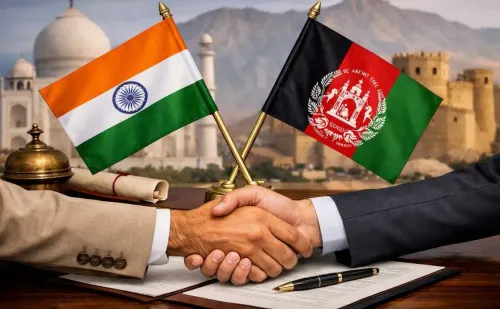
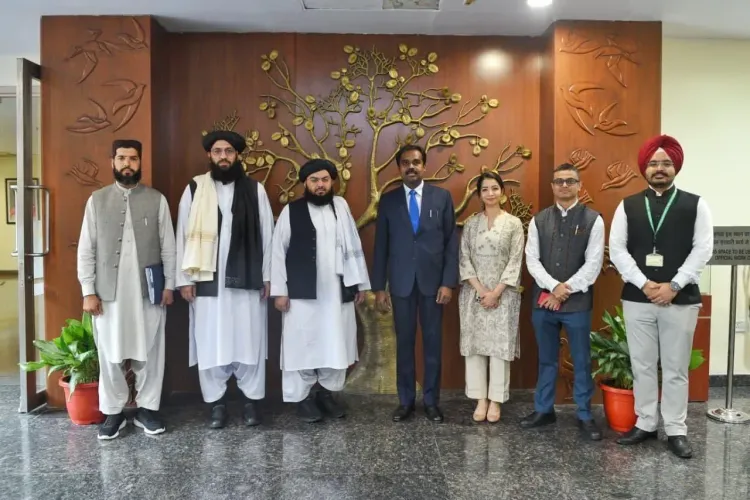
India and Afghanistan held their fourth Joint Committee Meeting in New Delhi on 9 July, covering humanitarian aid, food security, trade, and connectivity — just days after India strongly condemned Pakistani airstrikes on Afghan territory. The timing signals that New Delhi is actively deepening its engagement with Kabul even as Afghanistan's international standing remains contested.
Key Takeaways
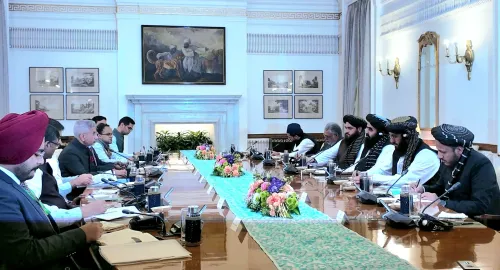
India and Afghanistan held the fourth round of the Joint Committee Meeting in New Delhi on 9 July 2025 .
The meeting was co-chaired by M Anand Prakash (MEA) and Shuaib Baryalai (Afghanistan's Ministry of Foreign Affairs).
Union Minister of State Pabitra Margherita met Afghan Agriculture Minister Mawlawi Ataullah Omari on 8 July to discuss bilateral cooperation.
India reiterated support for Afghanistan's territorial integrity and sovereignty following deadly Pakistani airstrikes on Afghan territory.
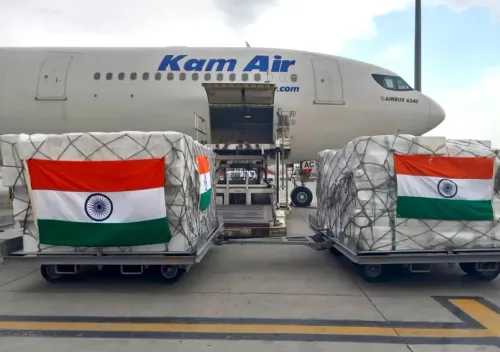
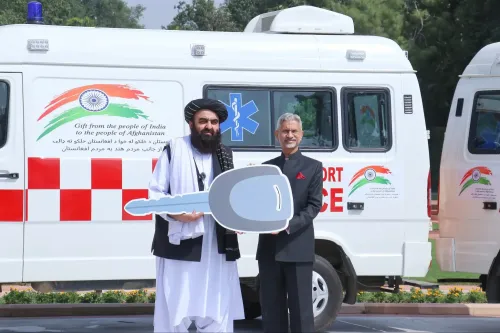
India's humanitarian assistance to Afghanistan — including medicines and development projects — is ongoing, according to MEA spokesperson Randhir Jaiswal .
Both sides agreed to hold the next round of the Joint Committee Meeting at a mutually convenient time.
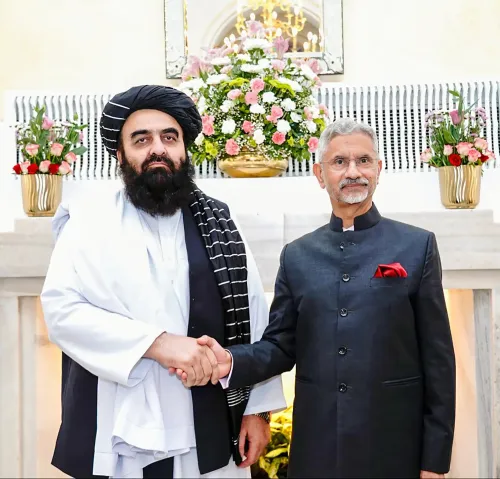
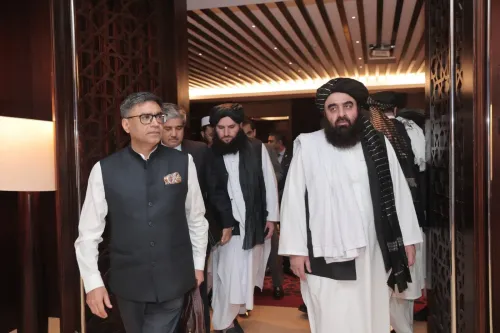
India and Afghanistan convened the fourth round of the Joint Committee Meeting in New Delhi on Thursday, 9 July, reviewing the full breadth of bilateral ties across sectors including humanitarian assistance, development partnership, food security, healthcare, capacity building, education, sports, trade, visa facilitation, and connectivity. The Indian side reiterated its continued commitment to supporting the welfare and development needs of the Afghan people.
What Was Discussed
The two delegations reviewed cooperation across a wide range of areas, with the Afghan side expressing appreciation for India's sustained engagement. The Ministry of External Affairs (MEA) stated that both sides reaffirmed the importance of maintaining regular consultations and agreed to remain in close contact.
'Both sides reaffirmed the importance of maintaining regular consultations and agreed to remain in close contact. The next round of the Joint Committee Meeting will be held at a mutually convenient time,' the MEA said in an official statement.
Who Led the Talks
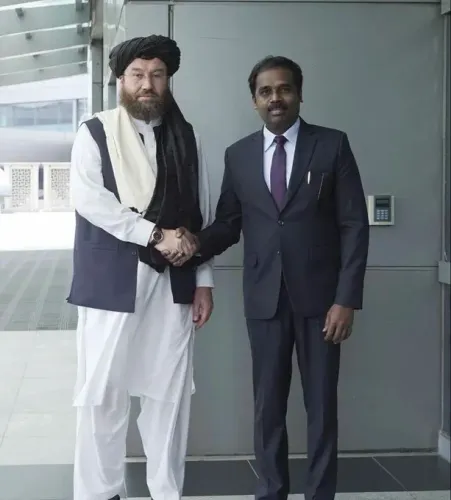
The meeting was co-chaired by M Anand Prakash, Joint Secretary (PAI), Ministry of External Affairs, and Shuaib Baryalai, Director General, First Political Division, Afghanistan's Ministry of Foreign Affairs. The structured format of the Joint Committee underscores the institutional continuity India has maintained with Kabul despite the changed political landscape in Afghanistan since 2021.
Ministerial Engagement on the Sidelines
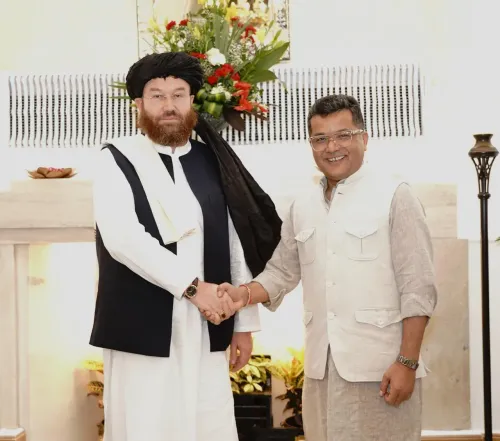
A day earlier, on Wednesday, 8 July, Union Minister of State for External Affairs Pabitra Margherita met Afghanistan's Minister of Agriculture, Irrigation and Livestock, Mawlawi Ataullah Omari, in New Delhi. Discussions focused on bilateral ties and ongoing cooperation for the welfare and development of the Afghan people.
'Good to meet H.E. Mawlawi Ataullah Omari, Minister of Agriculture, Irrigation and Livestock of Afghanistan, in New Delhi today. The discussions focused on India-Afghanistan bilateral relations, including ongoing cooperation for the welfare and development of the Afghan people,' Margherita wrote on X.
Omari had arrived in New Delhi on Tuesday, 7 July, for an official visit aimed at strengthening bilateral engagement.
Context: India's Position After Pakistani Airstrikes on Afghanistan
The diplomatic engagements come in the immediate aftermath of deadly Pakistani airstrikes inside Afghan territory. India had strongly condemned the strikes, in which several civilians — including women and children — were killed. New Delhi reiterated its support for Afghanistan's territorial integrity and sovereignty.
'We had strongly condemned the airstrikes that happened from Pakistan into Afghanistan, in which several civilian lives, including women and children, were lost. We had offered our condolences on the passing away of precious lives, and we had also at the same time reiterated our strong support for the territorial integrity and sovereignty of Afghanistan,' MEA spokesperson Randhir Jaiswal said at a weekly media briefing in New Delhi.
Jaiswal also noted that humanitarian assistance to Afghanistan — including medicines and development projects — remains ongoing. 'We have been sending them medicines. We have been sending them other support, and we have also been offering development projects which can bring benefit to the lives of people there, and that continues,' he added.
What Comes Next
The two sides have agreed to hold the next round of the Joint Committee Meeting at a mutually convenient time. With India's engagement spanning humanitarian aid, agricultural cooperation, and high-level diplomatic dialogue, New Delhi appears to be deepening its footprint in Kabul at a moment when Afghanistan's geopolitical isolation is growing. How far this engagement can be formalised given the Taliban's international status remains the central question.
Point of View
Held just days after India condemned Pakistani airstrikes on Afghan soil, signals that New Delhi views Kabul as a strategic asset it cannot afford to cede to Islamabad or Beijing. The harder question is whether humanitarian and agricultural cooperation, however genuine, can substitute for a formal diplomatic framework — and whether India's influence in Afghanistan can be sustained without one. The optics of hosting Taliban-affiliated ministers in New Delhi will draw scrutiny at home and abroad, but the alternative — disengagement — carries far greater strategic cost.
NationPress
8 Oct 2026
Frequently Asked Questions
What was discussed at the India-Afghanistan Joint Committee Meeting on 9 July?
The fourth round of the India-Afghanistan Joint Committee Meeting reviewed bilateral cooperation across humanitarian assistance, food security, healthcare, education, sports, trade, visa facilitation, and connectivity. Both sides reaffirmed the importance of regular consultations and agreed to stay in close contact.
Who represented India and Afghanistan at the Joint Committee Meeting?
The meeting was co-chaired by M Anand Prakash, Joint Secretary (PAI) at India's Ministry of External Affairs, and Shuaib Baryalai, Director General of the First Political Division at Afghanistan's Ministry of Foreign Affairs.
Why did Afghan Agriculture Minister Mawlawi Ataullah Omari visit New Delhi?
Mawlawi Ataullah Omari arrived in New Delhi on 7 July for an official visit aimed at enhancing bilateral ties. He met Union Minister of State for External Affairs Pabitra Margherita on 8 July, with talks focused on India-Afghanistan cooperation for the welfare and development of the Afghan people.
What is India's position on the Pakistani airstrikes inside Afghanistan?
India strongly condemned the Pakistani airstrikes on Afghan territory, in which several civilians including women and children were killed. MEA spokesperson Randhir Jaiswal expressed condolences and reiterated India's support for Afghanistan's territorial integrity and sovereignty.
What humanitarian support is India providing to Afghanistan?
India is providing ongoing humanitarian assistance to Afghanistan, including medicines and development projects aimed at improving living conditions. MEA spokesperson Randhir Jaiswal confirmed this support continues and is separate from the formal diplomatic dialogue.