India-Afghanistan bilateral talks: MoS Margherita meets Afghan agriculture minister in New Delhi
Synopsis
India's diplomatic outreach to Taliban-led Afghanistan deepened on 8 July as MoS Pabitra Margherita met Afghan agriculture minister Mawlawi Ataullah Omari in New Delhi — a visit framed by India's recent condemnation of Pakistani airstrikes on Afghan soil and a steady stream of humanitarian aid, including vaccines and medicines, to Kabul.
Key Takeaways
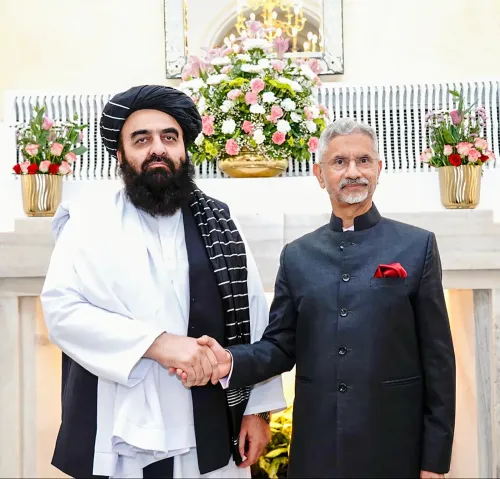
MoS Pabitra Margherita met Afghan Agriculture Minister Mawlawi Ataullah Omari in New Delhi on 8 July , focusing on bilateral relations and people-centred cooperation.
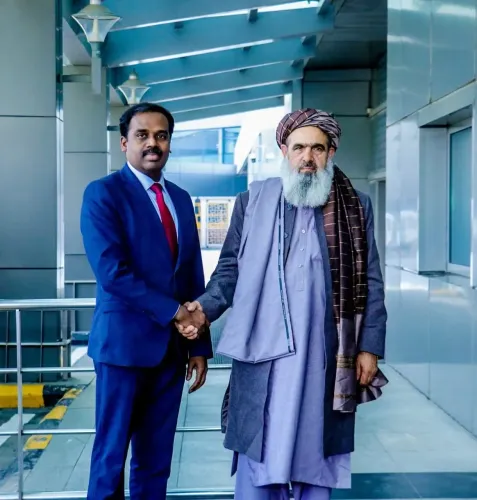
Omari arrived in New Delhi on Tuesday for an official visit to strengthen India-Afghanistan ties.
India strongly condemned recent Pakistani airstrikes inside Afghan territory, reiterating support for Afghanistan's territorial integrity and sovereignty .
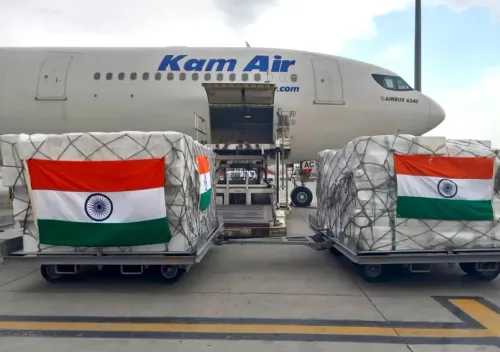
On 17 June , India delivered five tonnes of essential medicines to Kabul; on 22 May , it sent 20 tonnes of BCG and Td vaccines for Afghan children.
India's humanitarian assistance to Afghanistan — including medicines and development projects — remains ongoing, according to MEA spokesperson Randhir Jaiswal .
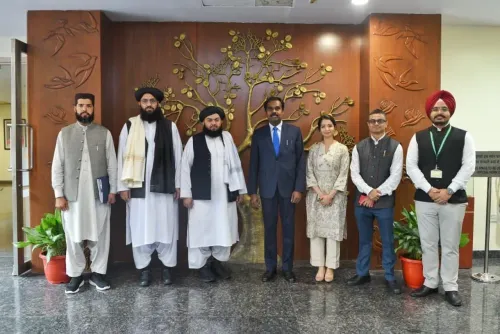
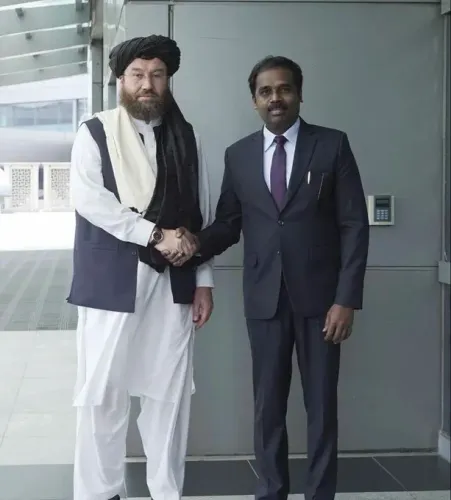
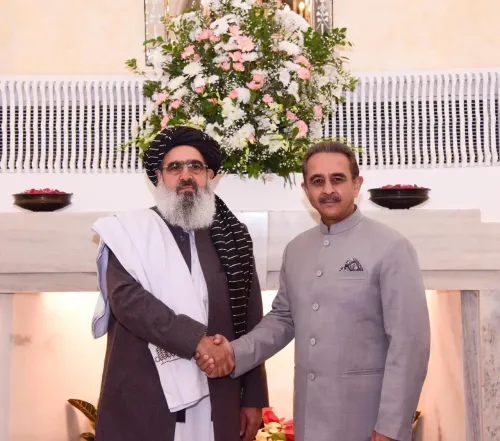
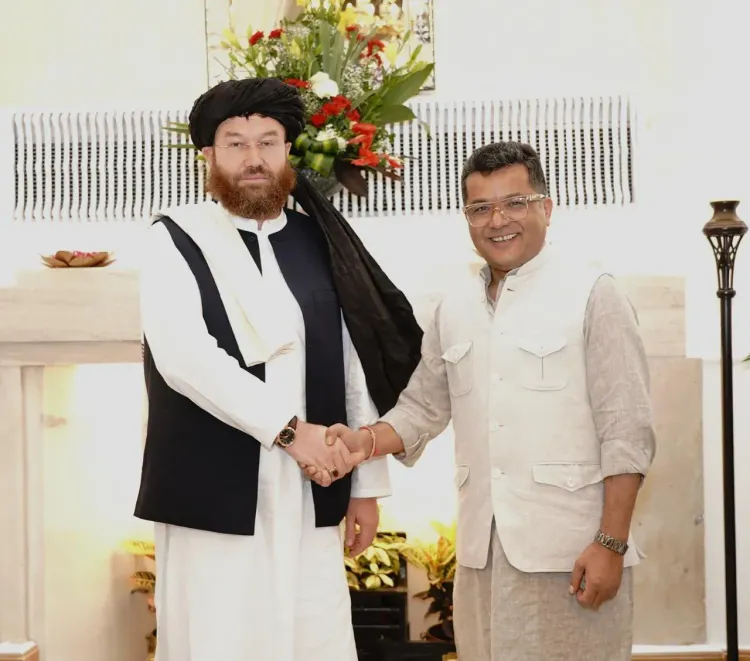
Union Minister of State for External Affairs Pabitra Margherita on Wednesday, 8 July met Afghanistan's Minister of Agriculture, Irrigation and Livestock, Mawlawi Ataullah Omari, in New Delhi, with discussions centred on India-Afghanistan bilateral relations and ongoing cooperation for the welfare and development of the Afghan people. The meeting comes at a diplomatically significant moment, weeks after deadly Pakistani airstrikes inside Afghan territory drew sharp condemnation from New Delhi.
What Was Discussed
Omari arrived in New Delhi on Tuesday for an official visit aimed at strengthening bilateral ties. He held discussions with key Indian officials on matters of shared interest between the two countries.
Margherita confirmed the meeting in a post on X, writing: 'Good to meet H.E. Mawlawi Ataullah Omari, Minister of Agriculture, Irrigation and Livestock of Afghanistan, in New Delhi today. The discussions focused on India-Afghanistan bilateral relations, including ongoing cooperation for the welfare and development of the Afghan people.'
The Ministry of External Affairs (MEA) had earlier welcomed Omari's arrival, with its spokesperson noting on X that the visit was aimed at 'engaging discussions on issues of mutual interest.'
India's Condemnation of Pakistani Airstrikes
The diplomatic engagement follows India's strong public stance on the recent Pakistani airstrikes inside Afghan territory, which resulted in civilian casualties including women and children. MEA spokesperson Randhir Jaiswal, speaking at a weekly media briefing in New Delhi, said India had 'strongly condemned' the strikes and offered condolences to the families of those killed.
'We had also at the same time reiterated our strong support for the territorial integrity and sovereignty of Afghanistan,' Jaiswal said. The statement underscored India's consistent position of backing Kabul against external aggression, even as New Delhi navigates its complex ties with both Islamabad and the Taliban-led administration.
India's Ongoing Humanitarian Support to Afghanistan
India has maintained an active humanitarian assistance programme for Afghanistan. On 17 June, India delivered five tonnes of essential medicines to Kabul, continuing a pattern of regular aid shipments. Earlier, on 22 May, India had sent 20 tonnes of Bacillus Calmette-Guerin (BCG) and Tetanus, Diphtheria (Td) vaccines to Kabul to support immunisation efforts among Afghan children.
Jaiswal noted that India's support extends beyond medicines to include 'development projects which can bring benefit to the lives of people there,' describing the cooperation as ongoing and sustained.
Strategic Context
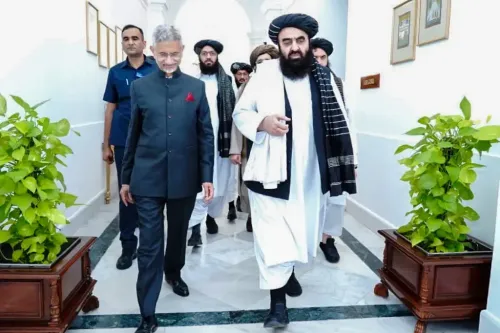
India's engagement with Afghanistan's Taliban-led government has been carefully calibrated — prioritising people-to-people welfare and development while stopping short of formal diplomatic recognition. The visit by Omari, an agriculture minister, signals a pragmatic focus on food security and rural development cooperation, areas where India has historical expertise and existing bilateral frameworks. This is the latest in a series of high-level contacts between New Delhi and Kabul since India reopened its embassy in Afghanistan in 2022.
With Pakistan-Afghanistan tensions running high following the airstrikes, India's positioning as a supportive neighbour — through both diplomatic statements and material aid — carries considerable strategic weight in the region.
Point of View
But the timing is anything but. Coming days after New Delhi publicly condemned Pakistani airstrikes on Afghan soil — a rare direct rebuke of Islamabad — this visit signals that India is actively deepening its footprint in Kabul even without formal recognition of the Taliban government. The humanitarian-first approach — vaccines, medicines, development projects — gives India plausible diplomatic cover while building genuine goodwill among ordinary Afghans. The real question is whether New Delhi can convert this soft-power investment into durable strategic influence in a country where China and Pakistan are also competing for leverage.
NationPress
7 Oct 2026
Frequently Asked Questions
Why did Afghan minister Mawlawi Ataullah Omari visit New Delhi?
Omari visited New Delhi for an official engagement aimed at strengthening India-Afghanistan bilateral ties, including discussions on areas of mutual interest such as agriculture, development, and humanitarian cooperation. He met MoS for External Affairs Pabitra Margherita on 8 July 2025.
What is India's position on the Pakistani airstrikes inside Afghanistan?
India strongly condemned the Pakistani airstrikes that caused civilian casualties, including women and children, inside Afghan territory. MEA spokesperson Randhir Jaiswal said India offered condolences and reiterated its support for Afghanistan's territorial integrity and sovereignty.
What humanitarian aid has India provided to Afghanistan recently?
India delivered five tonnes of essential medicines to Kabul on 17 June, and 20 tonnes of BCG and Tetanus-Diphtheria (Td) vaccines on 22 May to support child immunisation. India also continues to offer development projects for the benefit of the Afghan people.
Does India formally recognise the Taliban government in Afghanistan?
India has not formally recognised the Taliban-led government but has maintained engagement through humanitarian assistance and diplomatic contacts, including reopening its embassy in Kabul in 2022. The current visit reflects this pragmatic, people-centred approach.
Who is Pabitra Margherita?
Pabitra Margherita is India's Union Minister of State for External Affairs, responsible for managing several of India's bilateral diplomatic relationships. He confirmed the meeting with Omari in a post on X on 8 July.