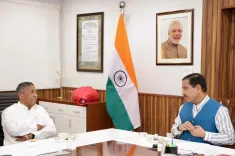
CM Samrat Choudhary: Bihar to give land for 3 new KVs at Re 1 lease
Synopsis
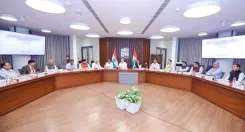
The Bihar Cabinet, chaired by CM Samrat Choudhary, has approved allocation of 5 acres each in Madhubani, Munger, and Muzaffarpur to Kendriya Vidyalaya Sangathan at a ₹1 token lease for 30 years, paving the way for three new central schools in the state.
Key Takeaways
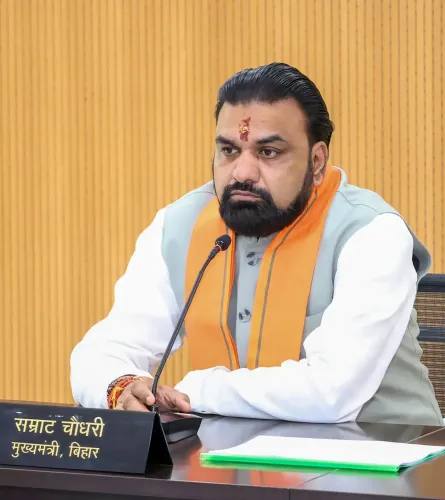
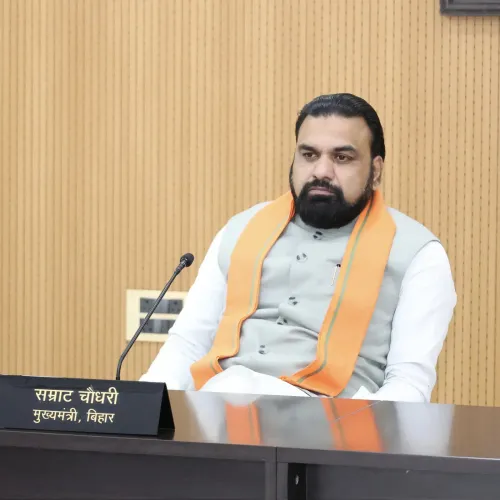
The Bihar Cabinet approved the decision on 8 July 2026 under Chief Minister Samrat Choudhary .
5 acres of state land each in Madhubani , Munger , and Muzaffarpur will be leased to KVS .
The lease is at a token value of ₹1 for a period of 30 years , with a renewal option.
Land will be provided to Kendriya Vidyalaya Sangathan under the Union Ministry of Education .
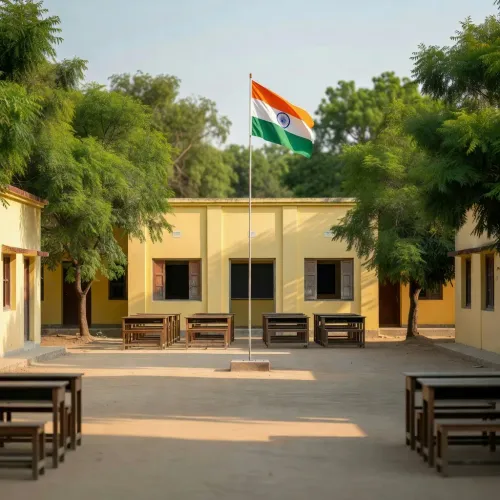
The move expands KV access for children of central government employees and local students in three Bihar districts.
This reflects ongoing state-centre coordination under the NDA framework for education infrastructure expansion.
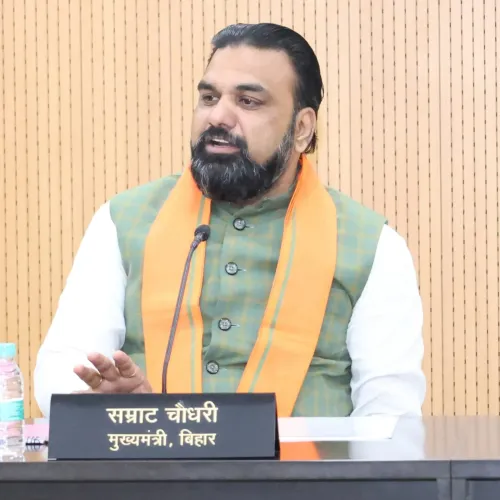
Bihar Chief Minister Samrat Choudhary announced on Wednesday, 8 July 2026 that the Bihar Cabinet has resolved to provide 5 acres each of state land in Madhubani, Munger, and Muzaffarpur districts to the Kendriya Vidyalaya Sangathan (KVS) for the establishment of three new central schools, at a token lease value of ₹1 for a period of 30 years, with an option for renewal.
Context
Posting on X, Chief Minister Choudhary stated that the cabinet meeting took an important decision toward 'guṇavattāpūrṇa śikṣā ke vistār' (expansion of quality education) and making modern educational facilities available to students. The three districts — Madhubani, Munger, and Muzaffarpur — will each provide 5 acres of land to KVS under the Ministry of Education, Government of India, on a 30-year lease at ₹1 token value, with lease renewal provisions included.
The decision formalises state-centre cooperation to bring Kendriya Vidyalayas to districts where their presence has historically been limited, directly benefiting children of central government employees posted in these regions as well as the broader student population.
Policy Backdrop
The Kendriya Vidyalaya Sangathan, established in 1963, operates under the Union Ministry of Education and runs a nationwide network of schools primarily serving children of transferable central government employees. The organisation relies on state governments to facilitate land for new schools, making nominal-lease arrangements a critical enabler for expanding its footprint.
Bihar's move follows a broader pattern across Indian states of offering land at token rates to reduce the cost and time associated with land acquisition for centrally-run educational institutions. The NDA government at both the state and central level has actively promoted such state-centre coordination as part of education infrastructure push under the Viksit Bharat framework.
Stakeholders and Impact
The most direct beneficiaries are children of central government employees — including defence, railways, and civil services personnel — posted across Madhubani, Munger, and Muzaffarpur, who currently lack a KV in their posting district. Kendriya Vidyalayas follow a standardised national curriculum and are widely regarded for consistent academic quality, making their expansion significant for families in smaller districts.
Local students and the broader district communities stand to gain from improved access to centrally-funded school infrastructure, which typically includes modern classrooms, laboratories, and extracurricular facilities. The ₹1 token lease mechanism ensures that KVS can redirect funds toward construction and operations rather than land costs.
What's Next
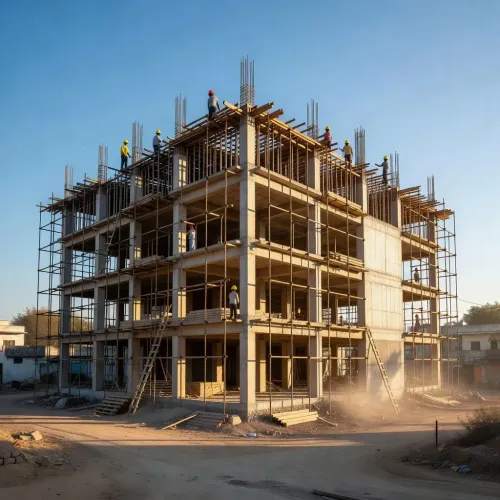
The formal transfer of land documents to KVS and the initiation of construction approvals by the Ministry of Education will be the immediate steps to watch. Bihar's cabinet could consider additional districts in future rounds if this arrangement is deemed successful. The operational timeline for the three proposed schools has not yet been officially confirmed.
Point of View
The announcement serves a dual political purpose: it signals governance delivery in three electorally significant districts ahead of the next electoral cycle, and reinforces Bihar's alignment with the NDA's 'Viksit Bharat' narrative. The choice of Madhubani, Munger, and Muzaffarpur — geographically spread across north and east Bihar — suggests a deliberate effort to widen the programme's regional optics. If construction timelines move quickly, this could become a replicable template for other educationally underserved Bihar districts.
NationPress
8 Jul 2026
Frequently Asked Questions
Which districts in Bihar will get new Kendriya Vidyalayas?
Madhubani, Munger, and Muzaffarpur have been selected for new Kendriya Vidyalayas following the Bihar Cabinet decision announced on 8 July 2026.
How much land is being given for the new KV schools in Bihar?
The Bihar government will provide 5 acres of land in each of the three districts — Madhubani, Munger, and Muzaffarpur — to Kendriya Vidyalaya Sangathan.
What is the lease amount for the KV land in Bihar?
The land will be leased to KVS at a token value of ₹1 for a period of 30 years, with an option for lease renewal.
Who approved the Kendriya Vidyalaya land decision in Bihar?
The Bihar Cabinet, chaired by Chief Minister Samrat Choudhary, approved the decision and it was announced by CM Choudhary on 8 July 2026.
What is Kendriya Vidyalaya Sangathan and who does it serve?
Kendriya Vidyalaya Sangathan (KVS) is an autonomous body under India's Ministry of Education, established in 1963, that primarily provides standardised schooling to children of transferable central government employees across the country.