Bihar CM Samrat Choudhary Clears Land for 5 New Kendriya Vidyalayas
Synopsis
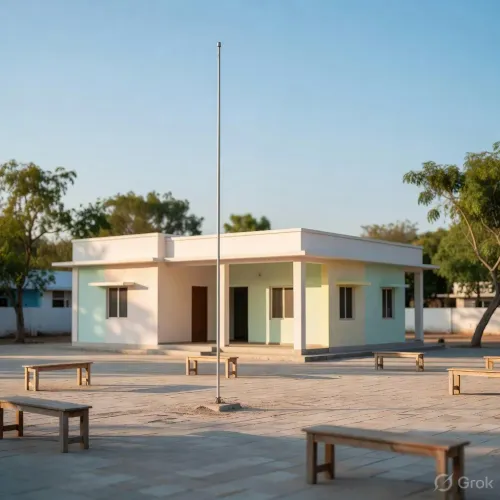
The Bihar Cabinet chaired by Chief Minister Samrat Choudhary has approved allocation of 5 acres of government land each for five new Kendriya Vidyalayas in Purnia, Nalanda, Sheikhpura, Madhepura and Madhubani, advancing quality schooling in underserved districts.
Key Takeaways
The Bihar Cabinet approved government land allocation for five new Kendriya Vidyalayas on 1 July 2026 .
Each school will receive 5 acres of state government land at no cost to the Union government.
The five locations are Purnia East (Purnia district), Rajgir (Nalanda district), Sheikhpura , Madhepura , and Madhubani .
Proposals now move to the Ministry of Education and Kendriya Vidyalaya Sangathan for formal sanction and construction tendering.
The decision is part of broader NDA centre-state coordination to expand quality education infrastructure in eastern India.
Students in these districts will gain access to standardised KVS curricula , modern facilities, and centrally funded schooling.
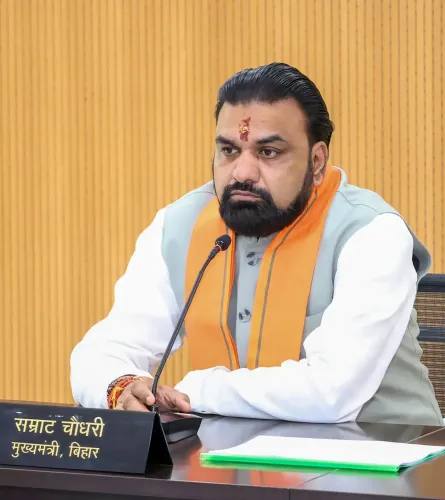
Bihar Chief Minister Samrat Choudhary announced on Wednesday, 1 July 2026 that the Bihar Cabinet has approved the allocation of 5 acres of government land each for five new Kendriya Vidyalayas across the state, covering districts including Purnia, Nalanda, Sheikhpura, Madhepura, and Madhubani.
Context
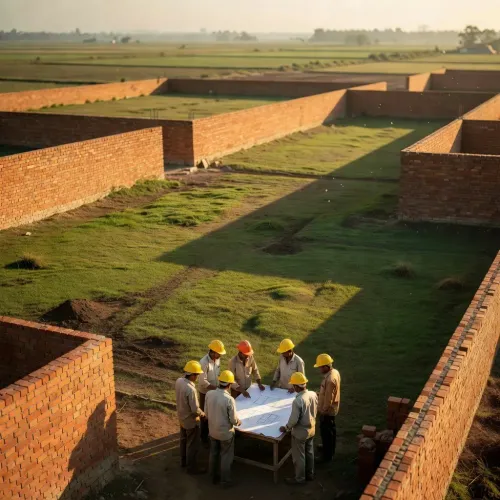
Posting on X, CM Choudhary shared the cabinet's decision, listing the five approved locations: Purnia Purv (Mauza–Madhubani, Zila Purnia) [Purnia East, Mauza Madhubani, Purnia district]; Rajgir (Mauza–Pilkhi, Zila Nalanda) [Rajgir, Mauza Pilkhi, Nalanda district]; Sheikhpura (Mauza–Neemi, Zila Sheikhpura); Madhepura (Mauza–Sahugadh, Zila Madhepura); and Madhubani (Anchal–Rajnagar, Mauza–Satiharpur, Zila Madhubani). Each site will receive 5 acres of state government land to facilitate construction of a central school.
The Chief Minister stated that the new schools will provide Bihar's students with 'quality education, modern academic resources and a better learning environment' — a direct translation of his post's closing lines.
Policy Backdrop
The Kendriya Vidyalaya Sangathan (KVS), an autonomous body under the Union Ministry of Education, operates central schools that deliver standardised, high-quality schooling across India. The Kendriya Vidyalaya scheme was launched in 1963, originally to serve children of transferable central government employees, but has since expanded access to broader student populations in underserved regions.
State governments play a critical enabling role in this process: by providing land free of cost, they trigger the formal chain of Ministry of Education and KVS approvals required to sanction and construct a new school. Bihar has seen incremental additions to the KV network in recent years as part of wider education-infrastructure expansion across eastern India.
Stakeholders and Impact
The five districts — Purnia, Nalanda, Sheikhpura, Madhepura, and Madhubani — span Bihar's north, east, and central belts, areas where access to quality secondary schooling has historically been limited. Rural families and students in these districts stand to benefit most directly from the addition of centrally administered schools with standardised curricula and infrastructure.
The move also reflects the coordinated centre-state dynamic under the current NDA framework, where state governments facilitate land acquisition and the Union government funds construction and operations through KVS. Local economies around each school site may also see ancillary activity during construction and thereafter.
What's Next
With cabinet approval for land allocation in place, the formal proposals will now move to the Ministry of Education and Kendriya Vidyalaya Sangathan for sanction. Subsequent steps will include the legal transfer of land, tendering for construction, and the setting of operational timelines before the schools can begin enrolling students. The pace of those steps will determine how quickly students in these five districts can access the new institutions.
Point of View
The announcement serves a dual political purpose: it signals governance momentum ahead of Bihar's electoral cycle and reinforces the NDA's 'Viksit Bharat' education narrative in districts that have historically lagged on schooling indicators. The geographic spread — spanning north Bihar, the Kosi belt, and the Nalanda cultural zone — suggests a deliberate attempt to demonstrate statewide reach rather than concentration in developed urban pockets. Whether KVS sanctions and construction timelines match the political momentum will be the real test of this initiative's impact.
NationPress
30 Sept 2026
Frequently Asked Questions
Where will the five new Kendriya Vidyalayas be built in Bihar?
The five new Kendriya Vidyalayas will be established at Purnia East (Purnia district), Rajgir (Nalanda district), Sheikhpura, Madhepura, and Rajnagar area of Madhubani district.
How much land has Bihar allocated for each new Kendriya Vidyalaya?
The Bihar Cabinet has approved 5 acres of government land for each of the five proposed Kendriya Vidyalayas.
What is Kendriya Vidyalaya Sangathan and who runs it?
Kendriya Vidyalaya Sangathan (KVS) is an autonomous body under India's Ministry of Education that operates central schools providing standardised, high-quality education across the country. It was established in 1963.
What happens after the Bihar Cabinet approves land for a Kendriya Vidyalaya?
After state cabinet approval of land allocation, the proposal moves to the Ministry of Education and KVS for formal sanction. Once sanctioned, the land is legally transferred and tendering for construction begins before the school can open.
Who announced the new Kendriya Vidyalayas in Bihar?
Bihar Chief Minister Samrat Choudhary announced the cabinet decision on his official X account on 1 July 2026 .