Qdenga dengue vaccine approved in India: Who can get it and how it works

Synopsis
India has cleared its first dengue vaccine — Qdenga by Takeda — for anyone aged 4 to 60, administered in two doses three months apart. Already approved in 42 countries and backed by WHO prequalification and a Phase III India trial, the shot targets all four dengue serotypes and is set to complement, not replace, the country's existing mosquito-borne disease controls.
Key Takeaways
CDSCO granted marketing authorisation for Qdenga , India's first dengue vaccine, on 21 July 2025 .
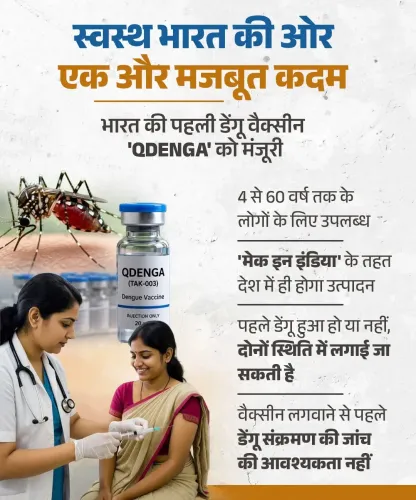
The vaccine is approved for individuals aged 4 to 60 years , administered as two doses of 0.5 ml each, three months apart .
Qdenga protects against all four dengue virus serotypes and uses recombinant DNA technology.
It has regulatory approval in 42 countries and carries WHO prequalification ; more than 24 million doses have been distributed globally.
A pivotal Phase III study in India was part of the regulatory review, alongside trials in over eight countries .
The vaccine is intended to complement existing prevention measures under the National Vector Borne Disease Control Programme , not replace them.
India has approved its first-ever dengue vaccine, marking a significant milestone in the country's fight against one of its fastest-spreading mosquito-borne diseases. The Central Drugs Standard Control Organisation (CDSCO), operating under the Ministry of Health and Family Welfare, granted marketing authorisation for Qdenga — a live, attenuated tetravalent dengue vaccine — on 21 July 2025, according to an official statement.
What Is Qdenga and How Does It Work
Qdenga is developed by Takeda GmbH, Germany, using recombinant DNA technology and is designed to protect against all four dengue virus serotypes responsible for causing the disease. It will be imported into India by Takeda Biopharmaceuticals India Pvt. Ltd. The vaccine is supplied as a freeze-dried powder for reconstitution and administered as a subcutaneous injection.
The immunisation schedule requires two doses of 0.5 ml each, administered three months apart. The vaccine has been approved for individuals aged 4 to 60 years.
Regulatory Approval and Clinical Evidence
The CDSCO approval follows a comprehensive scientific evaluation of Qdenga's quality, safety, and efficacy under the Drugs and Cosmetics Act, 1940, and the Drugs Rules, 1945. According to the Health Ministry, the decision is backed by data from an extensive global clinical development programme conducted across more than eight countries, including Brazil, Thailand, and Sri Lanka.
Critically, the regulatory review also incorporated findings from a pivotal Phase III study conducted in India, involving participants aged 4 to 60 years. Qdenga has already received regulatory approval in 42 countries, including the European Union, the United Kingdom, Switzerland, Indonesia, Malaysia, and Thailand. It also carries World Health Organization (WHO) prequalification.
More than 24 million doses have been distributed globally, and post-marketing surveillance has demonstrated a favourable safety profile, with no significant safety concerns reported, according to the ministry.
Role Within India's Dengue Control Strategy
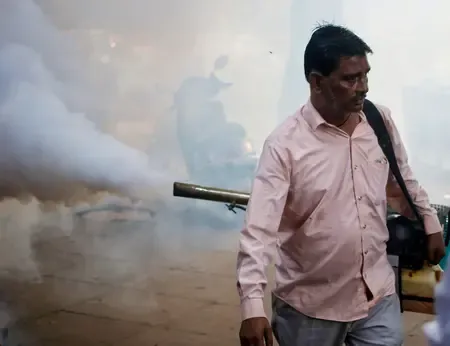
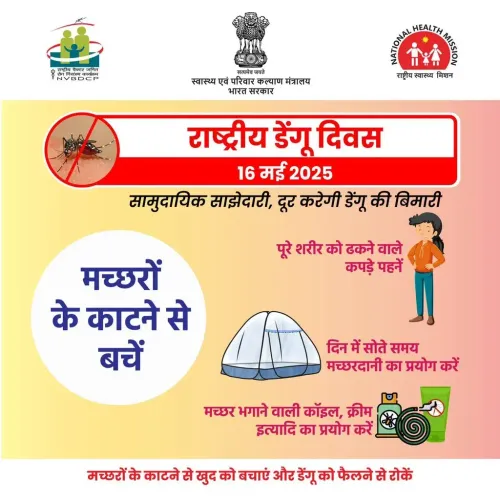
Officials have clarified that Qdenga is intended to complement — not replace — existing dengue prevention efforts. The vaccine is expected to work alongside vector control measures, disease surveillance, early diagnosis, and case management under the National Vector Borne Disease Control Programme.
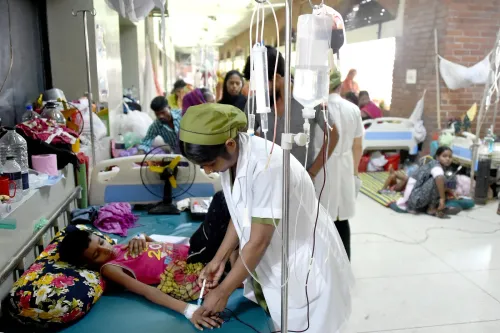
The ministry has emphasised that personal protective measures and the elimination of mosquito breeding sites remain essential components of dengue prevention. Notably, dengue has emerged as one of India's fastest-growing public health concerns, with case counts rising sharply in urban and semi-urban areas over the past decade.
What This Means for Public Health
The approval represents a landmark shift in India's vaccine landscape, bringing a WHO-prequalified, globally validated dengue immunisation option to a country that bears a disproportionate share of the global dengue burden. According to the government, the clearance reflects its commitment to ensuring timely access to safe, effective, and quality-assured vaccines through a science-based regulatory framework.
With sectoral rollout details and pricing yet to be announced, health authorities and industry bodies are expected to outline accessibility and distribution plans in the coming weeks.
Point of View
But the harder question is access. A WHO-prequalified vaccine with a two-dose schedule and a cold-chain requirement will only move the needle if it reaches the urban-poor and rural populations where dengue burden is highest — not just private clinics catering to the insured. The government's framing of vaccination as a complement to vector control is scientifically sound, but it also defers the politically uncomfortable work of fixing drainage infrastructure and urban planning that allows Aedes aegypti to thrive. Qdenga's global safety record across 24 million doses is reassuring; whether India's public health system can deliver it equitably is the real test ahead.
NationPress
20 Oct 2026
Frequently Asked Questions
What is the Qdenga dengue vaccine approved in India?
Qdenga is a live, attenuated tetravalent dengue vaccine developed by Takeda GmbH, Germany, using recombinant DNA technology. It is designed to protect against all four dengue virus serotypes and has been approved in India by the CDSCO for individuals aged 4 to 60 years, administered in two doses three months apart.
Who can receive the Qdenga vaccine in India?
The vaccine is approved for people aged 4 to 60 years. The recommended schedule is two subcutaneous injections of 0.5 ml each, given three months apart. Specific eligibility guidance for individuals with prior dengue infection or other health conditions is expected to be detailed in prescribing information.
Is Qdenga safe and how many countries have approved it?
Qdenga has received regulatory approval in 42 countries, including the European Union, the United Kingdom, Switzerland, Indonesia, Malaysia, and Thailand, and carries WHO prequalification. Post-marketing surveillance across more than 24 million doses distributed globally has shown a favourable safety profile with no significant safety concerns reported.
Does the dengue vaccine replace mosquito control measures?
No. The Health Ministry has explicitly stated that Qdenga is intended to complement — not replace — existing dengue prevention efforts. Vector control, disease surveillance, early diagnosis, case management, and eliminating mosquito breeding sites remain essential parts of India's dengue response under the National Vector Borne Disease Control Programme.
Was Qdenga tested in India before approval?
Yes. The CDSCO regulatory review included findings from a pivotal Phase III clinical study conducted in India involving participants aged 4 to 60 years, in addition to global trial data from more than eight countries including Brazil, Thailand, and Sri Lanka.