Odisha bandh: INDIA bloc 12-hour shutdown disrupts transport, trade across state
Synopsis
The INDIA bloc brought Odisha to a standstill on 8 October with a 12-hour shutdown over four demands — including the resignation of Chief Election Commissioner Gyanesh Kumar over alleged SIR irregularities. With OPCC president Bhakta Charan Das warning of a two-month escalation, Thursday's bandh signals the start of a sustained opposition pressure campaign, not a one-off protest.
Key Takeaways
The Congress -led INDIA bloc called a 12-hour statewide bandh in Odisha on 8 October 2026 .
Key demand: resignation of Chief Election Commissioner Gyanesh Kumar over alleged irregularities in the Special Intensive Revision (SIR) process.
Other demands include repeal of the MMDR Amendment Act, 2026 , resignation of Minister Nityananda Gond over textbook errors, and flood relief.
Transport, trade, and train services were disrupted; hundreds of vehicles stranded on highways across the state.
OPCC president Bhakta Charan Das warned the agitation could intensify over the next two months if demands go unmet.
Emergency services and some operations in Bhubaneswar were exempted from the shutdown.
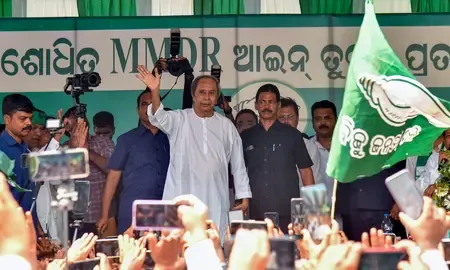
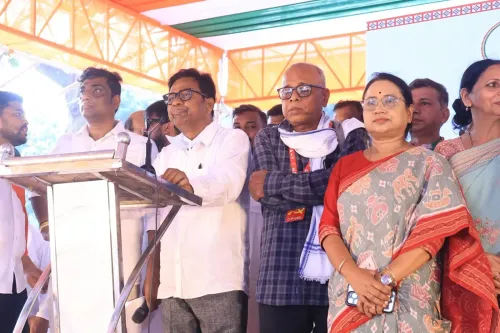
A 12-hour statewide shutdown called by the Congress-led INDIA bloc paralysed normal life across Odisha on Thursday, 8 October 2026, with passenger buses, trucks, auto-rickshaws and train services disrupted as opposition workers blocked key highways and picketed commercial hubs. The bandh was called over four key demands, chief among them the resignation of Chief Election Commissioner Gyanesh Kumar over alleged irregularities in the Special Intensive Revision (SIR) process.
Key Disruptions Across Odisha
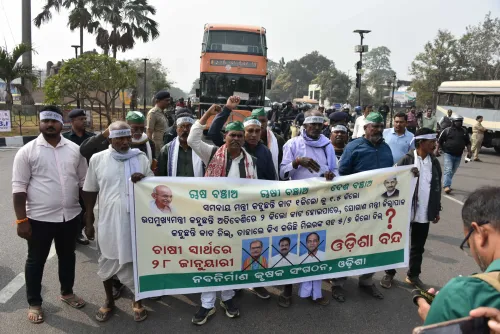
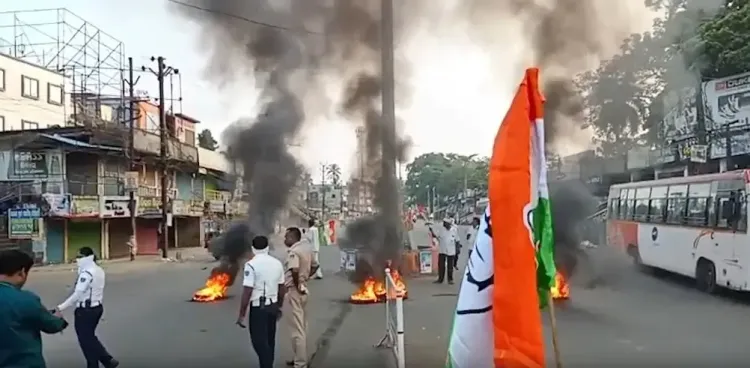
Members of communist parties, the Indian National Congress (INC), and allied outfits blocked National and State Highways at multiple locations by burning tyres, bringing vehicular movement to a near-halt. Hundreds of vehicles remained stranded on highways, causing significant inconvenience to commuters. Private institutions, business establishments, and markets in major cities shut down in response to the call.
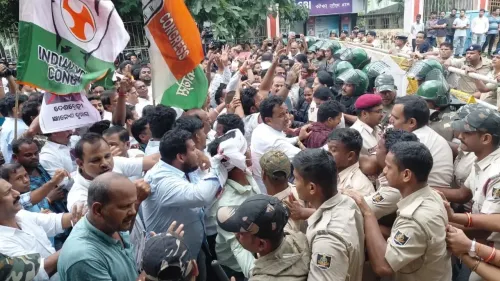
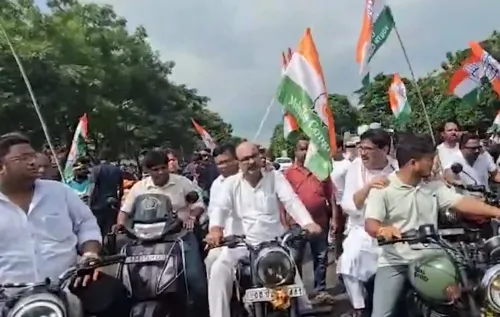
Train services were disrupted at several stations for a few hours, with scuffles reported between security personnel and INDIA bloc workers and leaders who attempted to stop train movement. Youth Congress members staged bike rallies as part of the agitation.
The Four Demands Behind the Bandh
According to Odisha Pradesh Congress Committee (OPCC) president Bhakta Charan Das, the shutdown centred on four non-negotiable demands: the resignation of Chief Election Commissioner Gyanesh Kumar over alleged SIR irregularities; repeal of the MMDR Amendment Act, 2026; resignation of Odisha School and Mass Education Minister Nityananda Gond over alleged errors in state textbooks; and immediate relief and compensation for flood-affected residents.
What the OPCC President Said
'The impact of the bandh is more visible in rural areas than in cities. Schools, colleges, institutions, markets and transportation services have been affected across the state,' Das told reporters. He added that some relaxation had been granted in Bhubaneswar to avoid inconvenience to tourists and outstation travellers, and that emergency services were allowed to operate without interruption.
Das stressed that the agitation was being conducted peacefully. 'We are observing the bandh peacefully and following the path of Mahatma Gandhi. There will be no violence,' he said, noting that he had repeatedly appealed to party workers to maintain calm.
Escalation Warning and What Comes Next
Das warned that if the state government failed to address the four demands, the agitation would be intensified and could expand significantly over the next two months. This comes amid a broader national debate over the SIR process, which opposition parties across several states have criticised as procedurally flawed. The bandh marks a significant escalation in the INDIA bloc's pressure campaign against both the state government and the Election Commission.
Point of View
Unresolved tension between opposition parties and the Election Commission that national coverage has largely underplayed. Packaging unrelated grievances — election oversight, a mining law amendment, textbook errors, and flood relief — into a single bandh risks diluting each cause, but it also broadens the coalition of people inconvenienced by government inaction. Whether the government responds or waits out the agitation will define whether Bhakta Charan Das's two-month escalation warning has any teeth.
NationPress
8 Oct 2026
Frequently Asked Questions
Why did the INDIA bloc call the Odisha bandh on 8 October 2026?
The INDIA bloc called the 12-hour Odisha bandh over four demands: the resignation of Chief Election Commissioner Gyanesh Kumar over alleged SIR irregularities, repeal of the MMDR Amendment Act 2026, resignation of Education Minister Nityananda Gond over textbook errors, and immediate flood relief. The shutdown was observed across the state on Thursday, 8 October 2026.
What is the Special Intensive Revision (SIR) process at the centre of the controversy?
The Special Intensive Revision (SIR) is an Electoral Roll revision process conducted by the Election Commission of India. Opposition parties, including the Congress and its INDIA bloc allies, have alleged irregularities in how the SIR was conducted and are demanding Chief Election Commissioner Gyanesh Kumar's resignation as a consequence.
How severe was the disruption caused by the Odisha bandh?
The disruption was widespread — passenger buses, auto-rickshaws, and trucks were largely off the roads, train services were interrupted at several stations for a few hours, and markets, schools, and private establishments in major cities remained closed. Hundreds of vehicles were stranded on highways.
Were any services exempted from the Odisha bandh?
Emergency services were allowed to operate. OPCC president Bhakta Charan Das also said some relaxation was granted in Bhubaneswar to minimise inconvenience to tourists and people travelling from outside the state.
What did the INDIA bloc warn if its demands are not met?
OPCC president Bhakta Charan Das warned that if the government did not address the four demands, the agitation would be intensified and could expand significantly over the next two months, signalling a longer campaign of protests beyond the one-day bandh.