How Are India and Cambodia Enhancing Military Cooperation?
Synopsis
India and Cambodia are taking significant steps to enhance military cooperation, focusing on joint exercises and capacity building. This collaboration promises to foster regional stability and strengthen ties between the two nations, paving the way for a strategic partnership that addresses emerging security challenges in the Indo-Pacific.
Key Takeaways
India and Cambodia are enhancing military cooperation.
Discussions focused on joint military exercises and training.
Emphasis on capacity building and operational experience exchange.
Both nations aim for a long-term strategic partnership.
Collaboration is expected to improve regional stability in the Indo-Pacific.
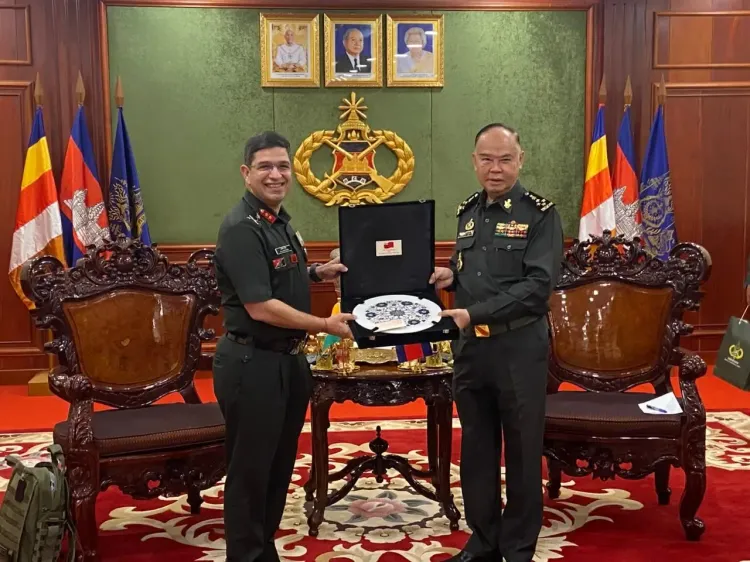
New Delhi, Feb 18 (NationPress) India and Cambodia have reaffirmed their commitment to strengthening bilateral defence cooperation during high-level military discussions in the capital of the Southeast Asian nation, Phnom Penh, according to an official statement.
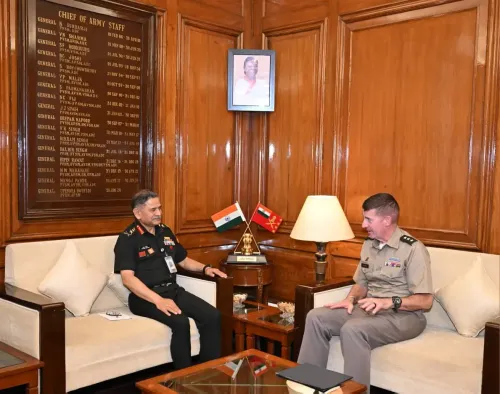
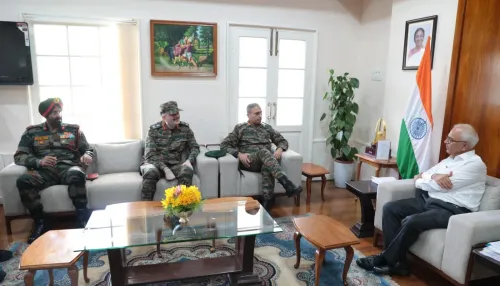
During the ongoing Army-to-Army Staff Talks in Phnom Penh, Major General Akaash Johar, the Indian Army's Additional Director General for International Cooperation, met with Lt General Mao Sophan, Commander of the Royal Cambodian Army. They engaged in in-depth discussions focused on enhancing joint military engagement, broadening training cooperation, and further solidifying bilateral defence ties.
The two nations emphasized the necessity of increasing joint military exercises, expanding the scope of training initiatives, and bolstering coordination within the defence sector.
Special attention was directed towards military capacity building, professional military education, and the exchange of operational experiences as foundational pillars of their cooperation.
Officials pointed out that India aims to convert defence partnerships with friendly nations into actionable, grassroots cooperation that goes beyond formal dialogues. Cambodia expressed its appreciation for the training standards and professional expertise of the Indian armed forces, showing interest in sending more personnel to India for training and specialized courses in the future.
Both parties reiterated their commitment to enhancing defence ties, viewing it as a long-term strategic partnership aimed at promoting regional peace, stability, and security.
The burgeoning military cooperation between India and Cambodia is anticipated to further improve bilateral relations and contribute to stability in the Indo-Pacific region. Regular military dialogues, joint exercises, and training programs are expected to enhance both armies' capabilities in addressing emerging security challenges.
The meetings in Phnom Penh are perceived as a positive step that could lead to deeper strategic collaboration between the two nations.
Point of View
The ongoing military discussions between India and Cambodia represent a significant step towards a long-term strategic partnership. This collaboration not only enhances bilateral defence capabilities but also contributes to the broader goal of regional stability in the Indo-Pacific. Such initiatives reflect India's commitment to fostering international relationships and ensuring security in the region.
NationPress
21 Sept 2026
Frequently Asked Questions
What is the purpose of the military talks between India and Cambodia?
The military talks aim to enhance bilateral defence cooperation, focusing on joint military exercises and training initiatives.
Who are the key figures involved in these discussions?
Major General Akaash Johar from the Indian Army and Lt General Mao Sophan from the Royal Cambodian Army are the key figures in these discussions.
What are the expected outcomes of this military cooperation?
The expected outcomes include increased joint military exercises, improved training cooperation, and strengthened defence ties between the two nations.
How will this cooperation impact regional stability?
This cooperation is anticipated to contribute to regional stability and security in the Indo-Pacific by improving the capabilities of both armies.
What does Cambodia seek from its relationship with India?
Cambodia appreciates India's training standards and seeks to send more personnel to India for training and specialized courses.