Army Chief Gen Dwivedi, envoy Doraiswami review India-China ties amid BRICS talks
Synopsis
In a single 24-hour window, India's Army Chief met the envoy to China, NSA Doval sat down with FM Wang Yi on BRICS sidelines, and Ambassador Doraiswami briefed Kailash Mansarovar pilgrims — a rare, simultaneous activation of military, diplomatic, and people-to-people channels that signals New Delhi's multi-track push to consolidate the India-China thaw.
Key Takeaways
Army Chief General Upendra Dwivedi met Ambassador Vikram Doraiswami in New Delhi on 23 June 2026 to review India-China bilateral engagement.
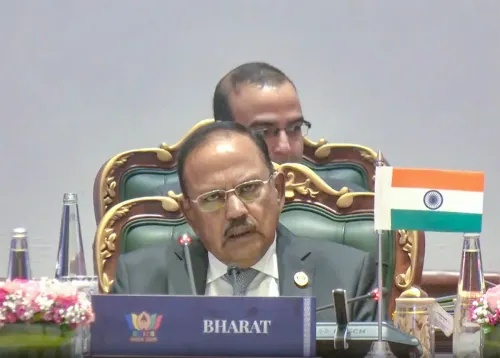
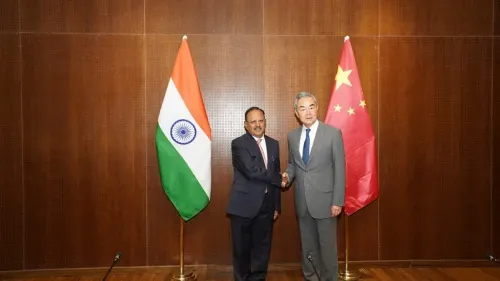
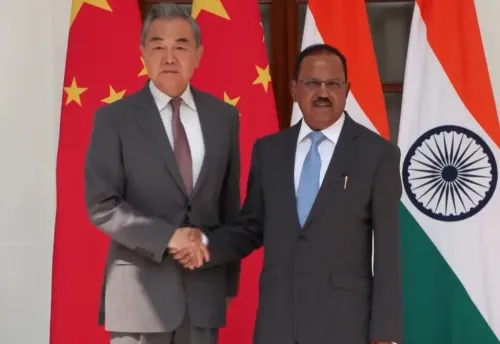
NSA Ajit Doval held talks with Chinese Foreign Minister Wang Yi on 22 June 2026 on the sidelines of the BRICS NSAs' Meeting in New Delhi.
Both sides noted 'progress towards gradual normalisation' of bilateral relations, according to the MEA .
Ambassador Doraiswami personally inspected facilities for the Kailash Mansarovar Yatra , warning pilgrims of altitudes exceeding 3,500 metres and a peak of 5,605 metres .
2026 is a once-in-12-year special year in Chinese and Tibetan calendars, meaning larger-than-usual crowds at the Kailash site.
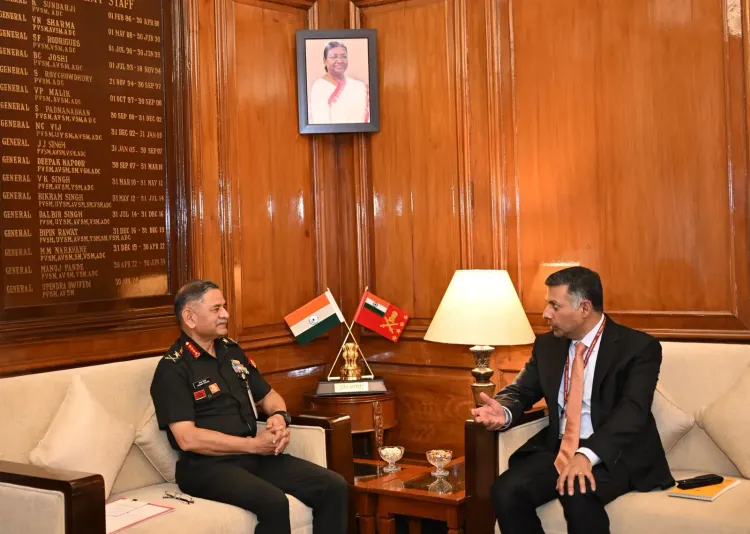
Indian Army Chief General Upendra Dwivedi met India's Ambassador to China, Vikram Doraiswami, in New Delhi on Tuesday, 23 June 2026, to assess the evolving regional and global strategic landscape and explore ways to deepen bilateral cooperation between India and China. The high-level consultations come at a moment of cautious diplomatic momentum between the two neighbours.
What Was Discussed
The meeting between General Dwivedi and Ambassador Doraiswami centred on the shifting strategic environment across the region and beyond. According to an official statement posted on X by the Indian Army, 'The discussions centred on the evolving regional and global strategic landscape.' The two sides also 'reviewed the current state of bilateral engagement and deliberated on measures to further strengthen existing mechanisms of cooperation and dialogue,' the Army added.
Doval-Wang Yi Meeting on BRICS Sidelines
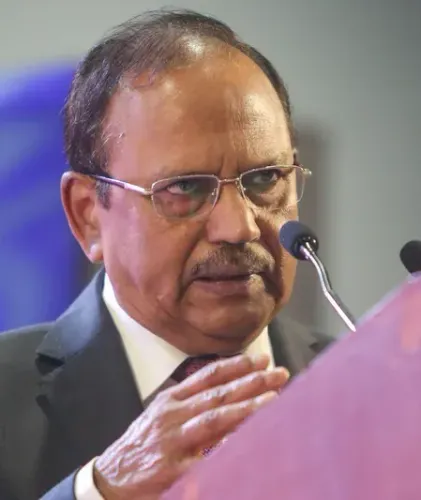
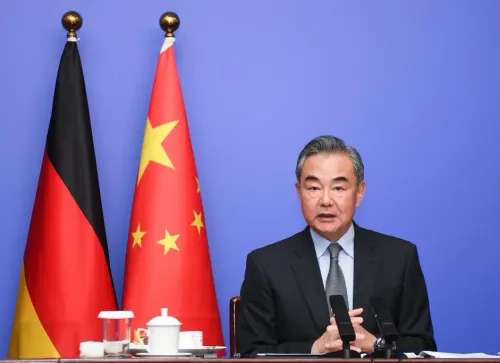
The Dwivedi-Doraiswami consultation follows a significant meeting the previous day, when National Security Advisor (NSA) Ajit Doval held talks with visiting Chinese Foreign Minister Wang Yi on the sidelines of the two-day BRICS NSAs' Meeting in New Delhi on 22 June 2026. The Ministry of External Affairs (MEA) confirmed the meeting in a post on X, noting that 'the two sides reviewed recent developments in bilateral relations and noted progress towards gradual normalisation.' NSA Doval underlined that 'stable, predictable and constructive bilateral relations contribute to building of trust and better understanding between the two sides,' according to the MEA statement.
Kailash Mansarovar Yatra Preparations
Separately, Ambassador Doraiswami on Sunday released a video message for pilgrims of the Kailash Mansarovar Yatra (KMY), detailing on-ground preparations made in coordination with Chinese authorities. He and colleagues from the Embassy personally inspected entry points, pilgrim hotels, kitchens, rooms, and primary medical facilities along the route.
Doraiswami flagged the demanding terrain, noting that pilgrims 'will be at any point in time above 3,500 metres above sea level,' with the Kora itself reaching 5,605 metres — 'nearly 6,000 metres above sea level.' He also highlighted that 2026 is a once-in-12-year special year in the Chinese and traditional Tibetan calendars, meaning a significantly larger number of local devotees will be present at the site.
Broader Context: India-China Diplomatic Reset
This cluster of engagements reflects a carefully managed diplomatic thaw between India and China following years of border tensions that peaked with the Galwan Valley clash of 2020. The BRICS NSAs' Meeting in New Delhi has provided a multilateral platform for bilateral contacts at the highest levels. Notably, the simultaneous activation of military, diplomatic, and people-to-people channels — Army Chief consultations, NSA-level talks, and the resumption of the Kailash Mansarovar Yatra — signals a deliberate, multi-track approach to normalisation. What remains to be seen is whether these conversations translate into durable institutional mechanisms or remain confined to managed optics.
Point of View
India activated its military, security, and diplomatic channels with China simultaneously — Army Chief, NSA, and Ambassador all in motion. That is not coincidence; it is a signal of institutional intent. But 'gradual normalisation' is doing a lot of work in the official language. The border disengagement at Depsang and Demchok remains partial, and no binding framework for patrolling rights has been publicly confirmed. India's multi-track engagement is tactically sound, but the strategic question — whether Beijing is normalising relations or merely managing them — remains unanswered. The Kailash Mansarovar Yatra resumption is a useful confidence-building measure, but it is people-to-people optics, not a structural fix.
NationPress
21 Sept 2026
Frequently Asked Questions
Why did Army Chief Gen Dwivedi meet Ambassador Doraiswami on 23 June 2026?
The meeting was held to assess the evolving regional and global strategic environment and to deliberate on measures to strengthen existing mechanisms of cooperation and dialogue between India and China. It is part of a broader multi-track diplomatic engagement with Beijing underway this week.
What did NSA Ajit Doval and Chinese FM Wang Yi discuss at the BRICS meeting?
NSA Doval and FM Wang Yi met on 22 June 2026 on the sidelines of the BRICS NSAs' Meeting in New Delhi, reviewing recent developments in bilateral relations and noting progress towards gradual normalisation. Doval emphasised that stable and constructive bilateral ties build trust between the two sides.
What is the current status of India-China relations?
According to the Ministry of External Affairs, both sides have noted 'progress towards gradual normalisation' following years of border tensions that escalated after the 2020 Galwan Valley clash. Multiple diplomatic and military-level meetings are ongoing, though a comprehensive border resolution has not been publicly confirmed.
What is the Kailash Mansarovar Yatra and why is 2026 significant?
The Kailash Mansarovar Yatra is an official pilgrimage to Mount Kailash in Tibet, facilitated by the Indian government in coordination with Chinese authorities. The year 2026 is a once-in-12-year special year in Chinese and traditional Tibetan calendars, making it particularly significant for devotees and expected to draw larger crowds than usual.
What altitude challenges do Kailash Mansarovar pilgrims face?
Ambassador Doraiswami cautioned that pilgrims will remain above 3,500 metres above sea level throughout the journey, with the Kora — the circumambulation route — reaching a peak of 5,605 metres, nearly 6,000 metres above sea level. He advised pilgrims to prepare for high-altitude conditions.