Giriraj Singh flags India's ₹38,424 cr defence export milestone
Synopsis
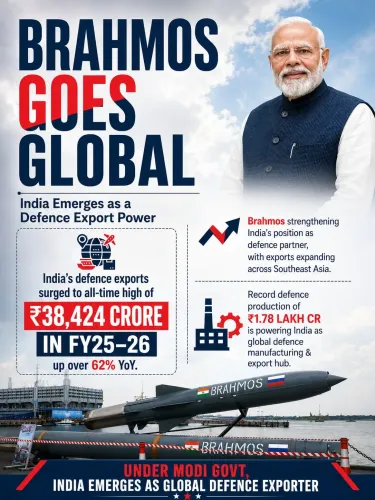
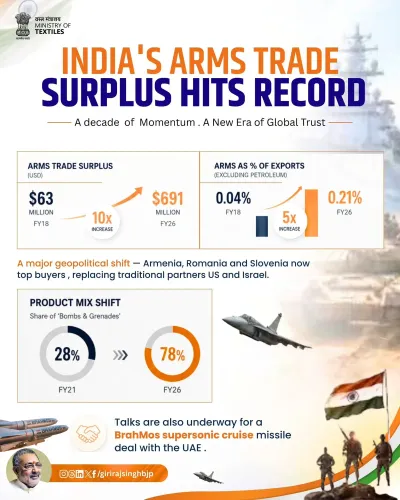
Union Textiles Minister Giriraj Singh highlighted India's defence export surge to ₹38,424 crore across 80 countries, citing BrahMos and Aakash missile exports as proof of Atmanirbhar Bharat and Make in India's success under PM Modi.
Key Takeaways
Minister Giriraj Singh cited India's defence exports reaching ₹38,424 crore across 80 countries as a landmark achievement.
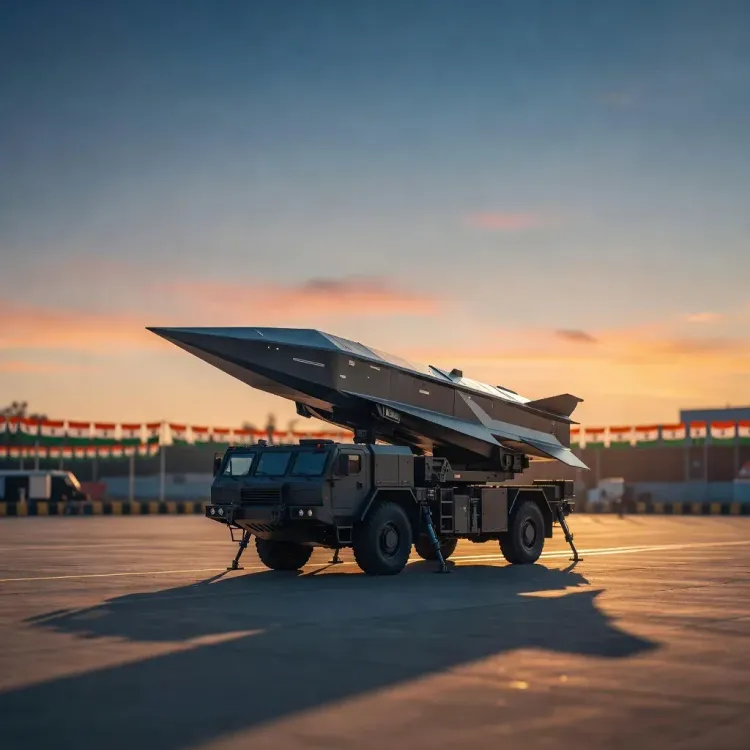
Supersonic cruise missile BrahMos and surface-to-air missile Aakash are highlighted as India's flagship export platforms.
The milestone is attributed to Atmanirbhar Bharat (2020) and Make in India (2014) policy frameworks under PM Narendra Modi .
Make in India identified defence as one of 25 priority sectors at launch in September 2014 ; the Defence Procurement Procedure was revised in 2016 to favour indigenous systems.
India's export footprint now spans Asia, Africa, and Latin America , reflecting a strategic shift from top importer to emerging exporter.
A wider buyer base of 80 nations deepens bilateral ties and sustains domestic production lines, lowering costs for India's own forces.
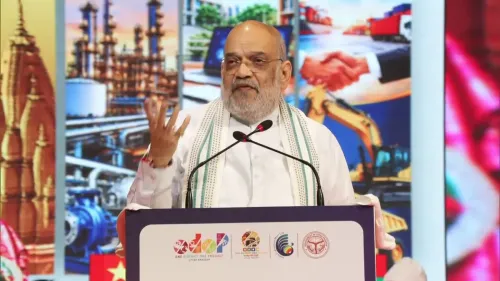
India's defence export story has crossed a threshold that would have seemed implausible a decade ago — Union Textiles Minister Giriraj Singh on Thursday, October 15, 2026, pointed to a ₹38,424 crore defence export figure and a presence spanning 80 countries as proof that the country has carved out a serious identity in the global arms market.
Posting in Hindi, Singh wrote: 'BrahMos aur Aakash jaisi misilein ke niryat se Bharat ne vaishvik raksha bazaar mein ek nayi pehchaan banayi hai' — 'Through the export of missiles like BrahMos and Aakash, India has built a new identity in the global defence market.' He credited the achievement to the 'Atmanirbhar Bharat' and 'Make in India' missions under Prime Minister Narendra Modi.
BrahMos and Aakash: the two missiles driving India's export brand
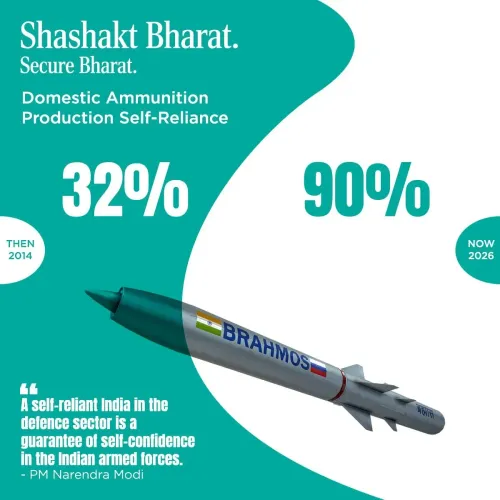
BrahMos — the supersonic cruise missile developed through an India-Russia joint venture — has become the flagship product in India's defence export catalogue, combining formidable range and speed with a brand identity that resonates with buyers in Southeast Asia, the Middle East, and beyond. The Aakash surface-to-air missile system, developed domestically, adds another tier to the export portfolio, addressing the air-defence procurement needs of smaller and mid-sized militaries.
Together, the two platforms illustrate a shift from component exports and licensed production toward the export of complete, combat-proven weapon systems — precisely the upgrade Indian defence planners have pursued for over a decade.
A policy arc that stretches back to 2014
The groundwork for this export push was laid progressively. Make in India, launched in September 2014, listed defence as one of 25 priority sectors, opening the door to private participation and foreign investment. The Defence Procurement Procedure was revised in 2016 to weight contracts in favour of indigenous systems. Then in May 2020, the Atmanirbhar Bharat Abhiyan hardened the strategy further: a negative import list barred procurement of specific items from abroad, while export facilitation measures were simultaneously expanded.
The cumulative effect has been a steady reorientation — from India being consistently ranked among the world's largest arms importers, toward a position where Indian-origin platforms compete for contracts across Asia, Africa, and Latin America.
What ₹38,424 crore and 80 countries mean in strategic terms
The numbers carry weight beyond economics. A wide export footprint — 80 buyer nations — builds political goodwill, creates maintenance and training dependencies that deepen bilateral ties, and generates a self-sustaining production ecosystem at home. Every unit exported is a unit that keeps an Indian defence production line running at scale, which in turn lowers per-unit costs for India's own armed forces.
For Singh, a senior BJP leader and Lok Sabha MP from Begusarai, Bihar, amplifying this milestone fits into a broader ruling-party communication strategy: illustrating the tangible, export-ready fruits of 'Make in India' at a time when the manufacturing narrative is central to the government's economic messaging.
The trajectory points to more: upcoming defence expos and revisions to the Defence Export Promotion Policy are expected to push the ambition higher. India began this journey as the world's largest arms buyer. It is now in the business of selling.
Point of View
A qualitatively different and strategically significant leap. For the BJP government, broadcasting these figures serves a dual purpose: validating a decade of defence-sector reform and reinforcing the 'manufacturing nation' identity ahead of future electoral and diplomatic cycles. The real test will be whether export diversification deepens into high-value platforms beyond missiles, and whether private-sector defence firms can sustain the momentum beyond the flagship joint-venture model.
NationPress
15 Oct 2026
Frequently Asked Questions
What is India's current defence export figure?
Union Minister Giriraj Singh cited India's defence exports at ₹38,424 crore , with a presence in 80 countries , though this figure comes from the minister's post and has not been independently verified through official government data.
Which Indian missiles are being exported globally?
BrahMos , the India-Russia joint-venture supersonic cruise missile, and Aakash , an indigenously developed surface-to-air missile system, are the two flagship platforms driving India's defence export growth.
What is Atmanirbhar Bharat in defence?
Atmanirbhar Bharat Abhiyan , announced in May 2020 , includes a negative import list that bars procurement of certain defence items from abroad and provides export facilitation measures to boost indigenous manufacturing and sales overseas.
When did Make in India start in the defence sector?
Make in India was launched in September 2014 with defence listed as one of 25 priority sectors , encouraging private participation, foreign investment, and domestic manufacturing of defence equipment.
Why is Giriraj Singh talking about defence exports?
Giriraj Singh , a senior BJP leader and Union Textiles Minister, posted on X to highlight what he framed as the tangible outcomes of PM Modi's 'Make in India' and 'Atmanirbhar Bharat' policies in transforming India into a defence exporter.