Operation Sindoor at 1: India downed 13 Pakistani jets, hit 11 airfields, says Air Marshal Bharti
Synopsis
A year after Operation Sindoor, India's Deputy Chief of Air Staff has put numbers to the mission's military outcomes — 13 Pakistani aircraft downed, 11 airfields damaged, 9 terror hideouts destroyed — and made clear that Pakistan sought the ceasefire after suffering significant losses. The operation, he said, was decisive, lethal, and has permanently altered India's intelligence picture of its adversary.
Key Takeaways
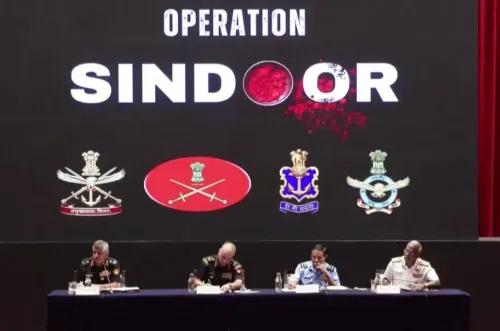
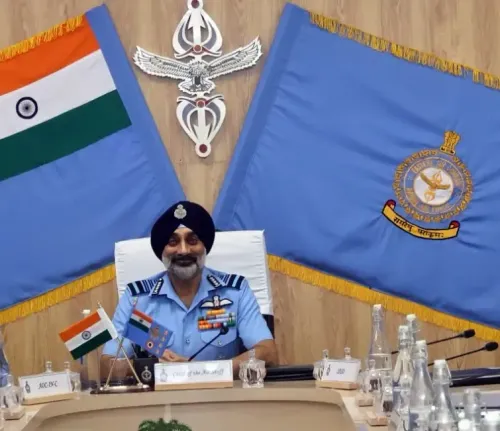
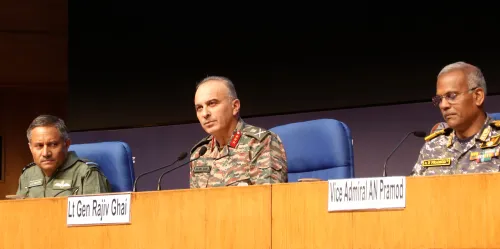
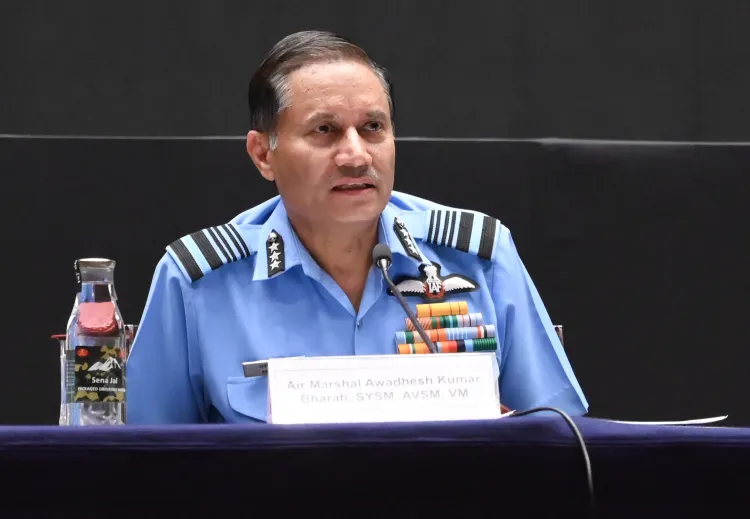
Air Marshal Awadhesh Kumar Bharti addressed a press conference in Jaipur on the first anniversary of Operation Sindoor on 7 May .
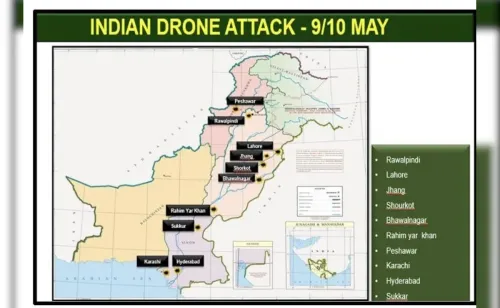
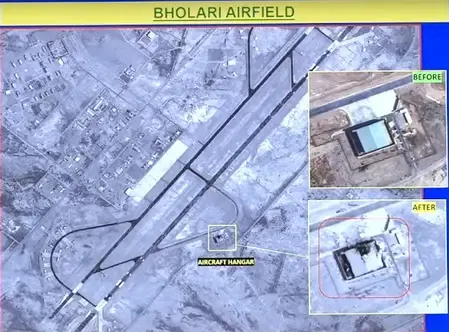
Indian forces reportedly shot down 13 Pakistani aircraft and damaged 11 Pakistani airfields during the operation.
The operation destroyed nine terrorist hideouts inside Pakistan and Pakistan-occupied Kashmir (PoK) with no damage to Indian civilian or military infrastructure.
According to Air Marshal Bharti , it was Pakistan that sought cessation of hostilities following significant losses.
Operation Sindoor reaffirmed the primacy of air power and provided India with first-hand intelligence on Pakistan's military capabilities and tactics.
Air Marshal Awadhesh Kumar Bharti, who served as Director General of Air Operations during Operation Sindoor, on Thursday stated that Indian forces shot down 13 Pakistani aircraft and damaged 11 Pakistani airfields during the military operation conducted last year. Speaking at a press conference in Jaipur on the first anniversary of the operation, the Deputy Chief of Air Staff said the mission also destroyed nine terrorist hideouts inside Pakistan and Pakistan-occupied Kashmir (PoK), while ensuring zero damage to Indian civilian or military infrastructure.
Key Achievements Claimed
According to Air Marshal Bharti, the operation was carried out with complete operational freedom granted to the armed forces, with every strategic decision taken jointly by the Army, Navy, and Air Force leadership. He described the strikes as targeted exclusively at terrorist infrastructure and their support networks. "We targeted only those elements while ensuring there was no collateral damage. We achieved our objectives and our mission was complete," he said.
Why India Agreed to Pause Hostilities
Addressing one of the most pointed questions at the press conference — why India agreed to a cessation of hostilities — Air Marshal Bharti said the operation's objectives had been fully met before the pause. "I fully understand the anger and emotions of our people, especially the younger generation, given our past experiences with Pakistan," he acknowledged. He clarified that the situation escalated when the Pakistani establishment chose to "side with terror" and make the conflict its own fight. "At that point, it was no longer merely a counter-terrorism operation; it became an act of self-defense. Our response was lethal and ruthless," he stated. According to him, following significant losses, Pakistan sought cessation of hostilities. "We paused when the request came, we stepped back, but we didn't blink. We had delivered the clear message that misadventure will not go unanswered. Acts of terror will carry consequences," he said.
The Strategic Doctrine Behind the Operation
Air Marshal Bharti underlined that nations forced into conflict must always have a conflict termination strategy. "Otherwise one can go astray and not realise how to terminate the fight," he cautioned. He also stressed that Operation Sindoor reaffirmed the primacy of air power — encompassing all three services, not just the Indian Air Force. "When our desire for peace is mistaken for weakness, we have no choice but to act. And when we act, there is no room for leniency. It is decisive, lethal and translates into Operation Sindoor," he said.
India's Intelligence Advantage Going Forward
The Deputy Chief of Air Staff asserted that terrorists hiding in Pakistan now have reason to be concerned, as the operation provided India with first-hand confirmation of its adversary's capabilities, capacities, and tactics. "We now have first-hand confirmation of the capabilities, capacities and tactics," he said, adding that India is now able to "see through its adversary." This intelligence dividend, he suggested, represents a lasting strategic gain beyond the immediate military outcomes. As Operation Sindoor completes its first year, the Indian military's public accounting of the mission's results signals that New Delhi views the operation as a benchmark for future responses to cross-border terrorism.
Point of View
11 airfields, nine terror hideouts — is as much a strategic communication exercise as it is a factual briefing. By stating unambiguously that Pakistan sought the ceasefire, India is contesting the narrative that the pause reflected mutual agreement or external pressure. The assertion that India now has first-hand intelligence on Pakistan's capabilities is the most consequential claim: if accurate, it shifts the deterrence calculus significantly. What remains unaddressed is independent verification of the figures cited — a gap that will continue to fuel debate both domestically and internationally.
NationPress
23 Sept 2026
Frequently Asked Questions
What did Air Marshal Bharti say about Operation Sindoor on its first anniversary?
Air Marshal Awadhesh Kumar Bharti stated that Operation Sindoor downed 13 Pakistani aircraft, damaged 11 Pakistani airfields, and destroyed nine terrorist hideouts in Pakistan and PoK, all without causing damage to Indian civilian or military infrastructure.
Why did India agree to stop the Operation Sindoor offensive?
According to Air Marshal Bharti, India paused hostilities after fully achieving its mission objectives. He said Pakistan sought the cessation of hostilities following significant losses, and India agreed to pause — but stressed that India "didn't blink" and had delivered a clear deterrent message.
What was the stated objective of Operation Sindoor?
Operation Sindoor was initially aimed at destroying terrorist infrastructure inside Pakistan and PoK. It escalated into an act of self-defence, according to Air Marshal Bharti, when the Pakistani establishment chose to side with the terrorists and made the conflict its own.
What strategic lessons did India draw from Operation Sindoor?
Air Marshal Bharti highlighted that Operation Sindoor reaffirmed the primacy of air power across all three services, the importance of having a conflict termination strategy, and gave India first-hand intelligence on Pakistan's military capabilities, capacities, and tactics.
Who commanded air operations during Operation Sindoor?
Air Marshal Awadhesh Kumar Bharti served as the Director General of Air Operations during Operation Sindoor. He currently serves as Deputy Chief of Air Staff and addressed the anniversary press conference in Jaipur on 7 May.