India Strengthens Maritime Security for Ships and Sailors Amid Tensions in Iran
Synopsis
In response to rising tensions in the Persian Gulf, India is intensifying its maritime security measures to protect its vessels and seafarers. With a dedicated team in place, the government emphasizes its commitment to ensuring the safety and welfare of its maritime personnel in these turbulent waters.
Key Takeaways
Enhanced monitoring of Indian vessels in the Persian Gulf.
Quick Response Team established for immediate coordination.
Real-time tracking of Indian-flagged ships initiated.
Close collaboration with the Indian Navy and international agencies.
Heightened vigilance and risk assessments advised for stakeholders.
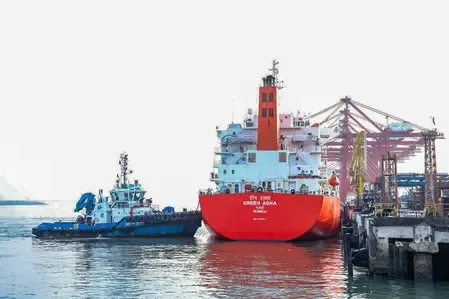
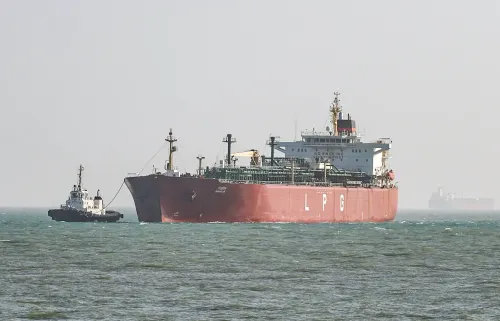
New Delhi, March 3 (NationPress) The Ministry of Ports, Shipping and Waterways is actively observing the changing maritime security dynamics in the Persian Gulf and has implemented enhanced safety protocols to protect Indian-flagged ships and Indian sailors operating in this area.
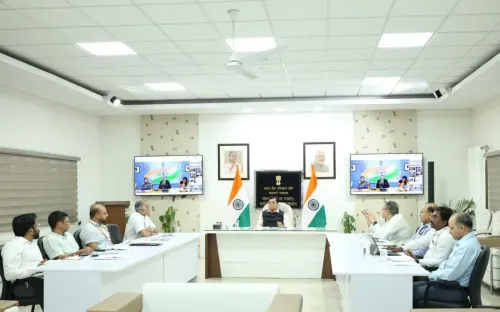
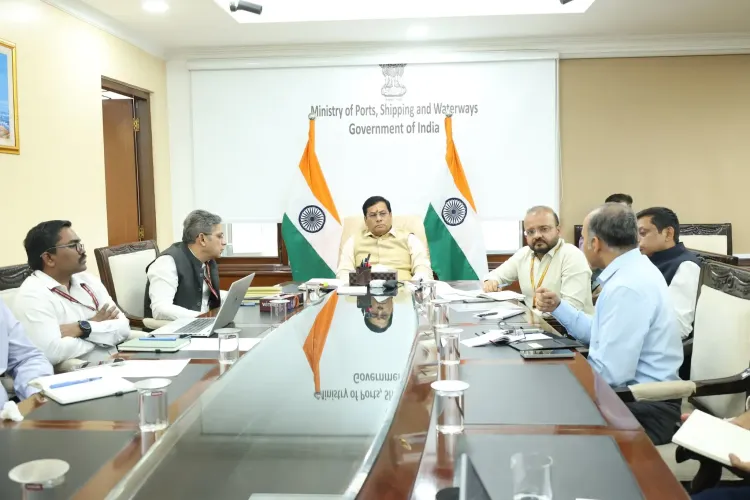
Union Minister for Ports, Shipping and Waterways, Sarbananda Sonowal, led a review meeting on Tuesday to evaluate the current security landscape in the Persian Gulf and its impact on Indian maritime assets and personnel.
During the session, the Director General of Shipping updated the minister on the situation in the area and the status of Indian-flagged vessels and sailors.
After the meeting, Sonowal remarked: "We are vigilantly tracking the developing circumstances and have activated all essential precautionary, monitoring, and coordination mechanisms to guarantee the safety and welfare of our sailors and the security of our maritime assets. We maintain constant communication with relevant national and international agencies and are poised to respond promptly to any new developments."
A specialized Quick Response Team has been established to facilitate immediate coordination among authorities, ensure swift responses to emerging situations, and provide timely assistance to Indian sailors and their families. Helpline numbers have also been activated and disseminated to the families of sailors through recruitment and placement service licensees.
The Ministry, via the Directorate General of Shipping (DGS), has intensified monitoring and security oversight concerning Indian sailors and Indian-flagged vessels in light of reported threats in the Persian Gulf, the Strait of Hormuz, the Gulf of Oman, and nearby waters, including missile and drone activities, electronic disruptions, and other maritime security issues.
The Ministry, through the DGS, has also initiated real-time tracking of Indian-flagged vessels with heightened reporting frequency and established 24/7 monitoring through the MMDAC DGComm Centre. Mandatory reporting protocols have been instituted for vessels, owners, and managers.
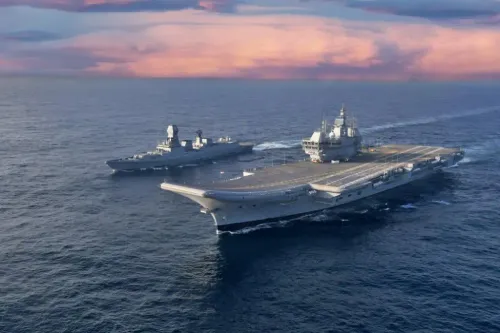
Close collaboration is being maintained with the Indian Navy, the Ministry of External Affairs, the Information Fusion Centre–Indian Ocean Region (IFC-IOR), the Maritime Rescue Coordination Centre (MRCC), and Indian embassies abroad. Shipping companies and Recruitment and Placement Service Licensees have been advised to exercise caution in crew deployment and ensure regular communication with sailors and their families.
The Directorate, IFC-IOR, and other agencies are working together to ensure the safety and well-being of sailors. Comprehensive support and assistance are being provided to affected sailors and their families.
Stakeholders have been urged to uphold heightened vigilance and conduct voyage-specific risk assessments. Vessels operating in the region are instructed to maintain an elevated security posture and bridge watch, ensure continuous communication readiness, and report any suspicious activities immediately.
Reiterating the government's commitment, Sonowal stated: "India firmly stands by its sailors and maritime stakeholders. The ministry is prepared to offer all necessary operational, diplomatic, and humanitarian support to safeguard Indian vessels and personnel, continuing active coordination with both domestic and international stakeholders to protect India's maritime interests."
Frequently Asked Questions
What measures is the Indian government taking to ensure maritime security?
The Indian government has enhanced monitoring and security protocols for Indian-flagged vessels and sailors, including real-time tracking and the establishment of a Quick Response Team.
How is the government communicating with seafarers' families?
Helpline numbers have been activated and shared with families of seafarers through recruitment and placement service licensees.
What areas are being monitored for security threats?
The government is closely monitoring the Persian Gulf, Strait of Hormuz, Gulf of Oman, and surrounding waters for missile and drone activities, among other threats.
Is there coordination with international agencies?
Yes, the Indian government maintains close communication with relevant national and international agencies to ensure timely responses to any developments.
What should stakeholders do in light of the current situation?
Stakeholders have been advised to maintain heightened vigilance and perform voyage-specific risk assessments.