CNG, LNG, Hydrogen dispenser verification expanded under Legal Metrology rules
Synopsis
India has quietly but consequentially updated its Legal Metrology rules to bring CNG, LNG, and Hydrogen dispensers into the formal verification framework — fixing fees at ₹10,000 per nozzle and empowering states to act independently. As alternative-fuel adoption accelerates, this amendment closes a regulatory gap that left millions of consumers without a standardised accuracy check at the pump.
Key Takeaways
The Legal Metrology (Government Approved Test Centre) Rules, 2013 have been amended to include CNG , LPG , LNG , and Hydrogen dispensers under the GATC verification framework.
GATCs can now verify a total of 23 categories of weights and measures, up from 18.
Verification fee for petrol and diesel dispensers is set at ₹5,000 per nozzle ; for CNG, LPG, LNG, and Hydrogen dispensers at ₹10,000 per nozzle .
State governments have been empowered to notify additional categories of weights and measures for GATC verification under their own rules.
The move is aimed at ensuring accurate fuel delivery and consumer transaction transparency as cleaner fuel adoption grows across India.
The Department of Consumer Affairs on Sunday, 24 May announced amendments to the Legal Metrology (Government Approved Test Centre) Rules, 2013, expanding India's verification infrastructure to cover CNG, LPG, LNG, and Hydrogen dispensers — a move aligned with the country's accelerating shift toward cleaner fuels. The revised framework also fixes standardised verification fees and empowers state governments to broaden the scope of approved test centres.
Key Changes in the Amendment
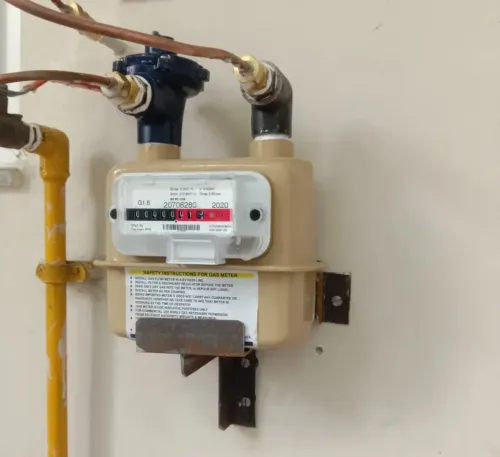
Five new categories of fuel dispensing systems have been added to the list of instruments eligible for verification by Government Approved Test Centres (GATCs): Petrol/Diesel Dispensers, CNG Dispensers, LPG Dispensers, LNG Dispensers, and Hydrogen Dispensers. With these additions, GATCs can now verify and re-verify a total of 23 categories of weights and measures under the Legal Metrology framework.
Notably, this expansion comes as compressed natural gas and hydrogen-based mobility solutions gain ground across Indian cities, making accurate metering at dispensing points increasingly critical for both consumers and fuel retailers.
Verification Fees Fixed
The amended rules set the verification fee for petrol and diesel dispensers at ₹5,000 per nozzle. For CNG, LPG, LNG, and Hydrogen dispensers, the fee has been fixed at ₹10,000 per nozzle, reflecting the greater technical complexity involved in calibrating alternative-fuel systems.
The higher fee for cleaner-fuel dispensers acknowledges the specialised infrastructure and expertise required for their verification — a distinction that had previously been absent from the regulatory framework.
States Empowered to Expand Scope
A significant procedural change in the amendment is the explicit empowerment of state governments to notify additional categories of weights and measures for verification through GATCs under their respective state rules. This decentralisation is intended to reduce the bottleneck at the central level and allow states with higher concentrations of alternative-fuel infrastructure to act faster.
This comes amid a broader push by the Centre to scale up India's legal metrology ecosystem, which has historically been stretched thin in covering the rapidly diversifying fuel retail landscape.
Role of GATCs
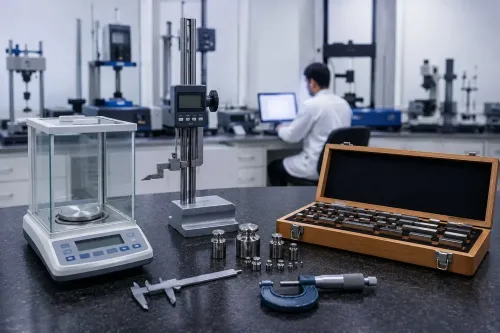
GATCs are government-approved facilities equipped with the technical infrastructure to conduct verification and re-verification of specified weights and measures under the Legal Metrology Act. By bringing qualified private laboratories and industry facilities into the verification chain, the GATC framework is designed to expand capacity without solely relying on state government machinery.
According to the Department of Consumer Affairs, the inclusion of CNG, LNG, and Hydrogen dispensers under this framework will help ensure accurate fuel delivery and greater transaction transparency — consumer protections that become more consequential as alternative-fuel adoption scales up.
What Comes Next
States are now expected to align their own rules with the amended central framework and notify additional categories as needed. Industry bodies in the clean-fuel and automotive sectors are likely to welcome the move as a step toward regulatory clarity. The standardisation of fees and the broadening of GATC coverage together signal that the government is treating alternative-fuel infrastructure as a permanent, mainstream element of India's energy retail ecosystem.
Point of View
LNG corridors, and nascent hydrogen dispensing points — has been expanding faster than the regulatory apparatus designed to keep it honest. Fixing a ₹10,000-per-nozzle fee and broadening GATC eligibility are necessary steps, but the real test is enforcement capacity at the state level, where legal metrology departments are chronically understaffed. Empowering states to notify additional categories is only useful if those states have the GATCs to back it up. Without a parallel investment in approved laboratory infrastructure, the amendment risks being a policy signal without operational teeth.
NationPress
7 Oct 2026
Frequently Asked Questions
What are the new Legal Metrology rules for CNG and Hydrogen dispensers?
The amended Legal Metrology (Government Approved Test Centre) Rules, 2013 now include CNG, LPG, LNG, and Hydrogen dispensers among the instruments that Government Approved Test Centres can verify and re-verify. The verification fee for these dispensers has been fixed at ₹10,000 per nozzle, and state governments have been empowered to expand the scope further under their own rules.
What is a Government Approved Test Centre (GATC)?
A GATC is a government-approved facility — which can include qualified private laboratories and industry units — equipped with the technical infrastructure to verify and re-verify specified weights and measures under the Legal Metrology Act. The framework expands verification capacity beyond state government machinery alone.
How much does it cost to verify a CNG or Hydrogen dispenser nozzle?
The verification fee for CNG, LPG, LNG, and Hydrogen dispensers has been fixed at ₹10,000 per nozzle under the amended rules. Petrol and diesel dispenser nozzles carry a lower fee of ₹5,000 per nozzle.
Why does this amendment matter for consumers?
Accurate verification of fuel dispensers ensures that consumers receive the exact quantity of fuel they pay for. As CNG, LNG, and Hydrogen dispensers become more common, bringing them under a standardised verification framework protects consumers from measurement errors and improves transaction transparency.
What role do state governments play under the amended rules?
State governments have been explicitly empowered to notify additional categories of weights and measures for verification through GATCs under their respective state rules. This allows states with higher concentrations of alternative-fuel infrastructure to expand verification coverage faster without waiting for central-level action.