India's oil refining capacity to hit 300 MMTPA; India-Mauritius energy deal signed
Synopsis
India is pushing its oil refining capacity toward 300 MMTPA — already the world's third-largest — while simultaneously locking Mauritius into a five-year IndianOil supply deal covering petrol, diesel, marine gas oil, and ATF. The move signals India's deliberate shift from domestic refiner to Indo-Pacific energy anchor, backed by government-to-government frameworks.
Key Takeaways
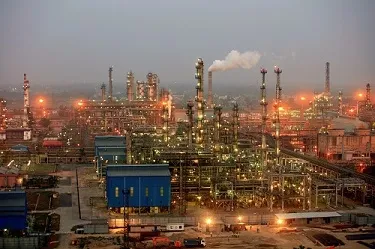
Petroleum Minister Hardeep Singh Puri announced India is expanding refining capacity from 272 MMTPA to 300 MMTPA , reinforcing its rank as the world's third-largest refiner .
India operates 23 refineries processing nearly 270 million metric tonnes of crude annually.
India and Mauritius signed a landmark MoU on oil and gas cooperation on Thursday, 21 August .
IndianOil and State Trading Corporation (STC) of Mauritius inked a five-year agreement to supply petrol, diesel, marine gas oil, and Aviation Turbine Fuel (ATF) .
The energy partnership between the two nations traces back to 2001 , when IndianOil began serving Mauritius through IndianOil Mauritius Limited .
Mauritius' new National Biofuel Policy Framework , developed with Global Biofuels Alliance (GBA) support, opens scope for cooperation in clean fuels.
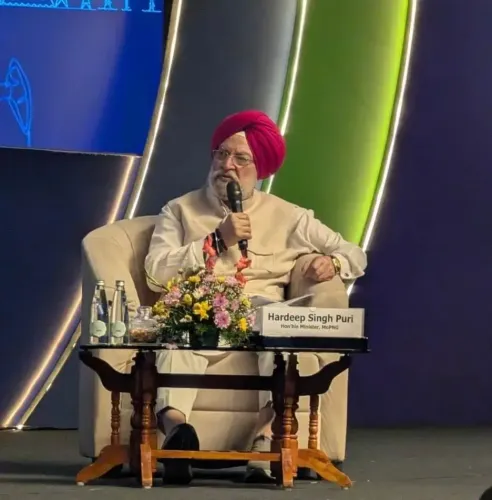
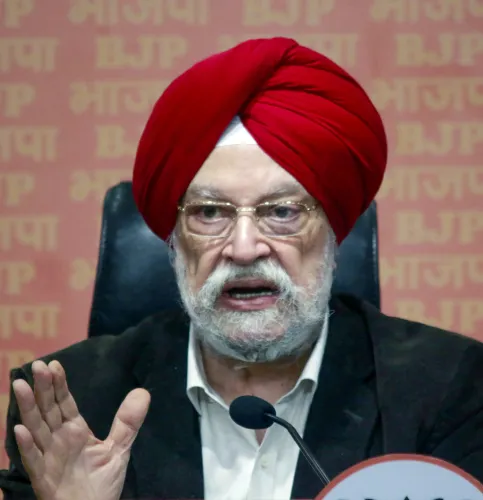
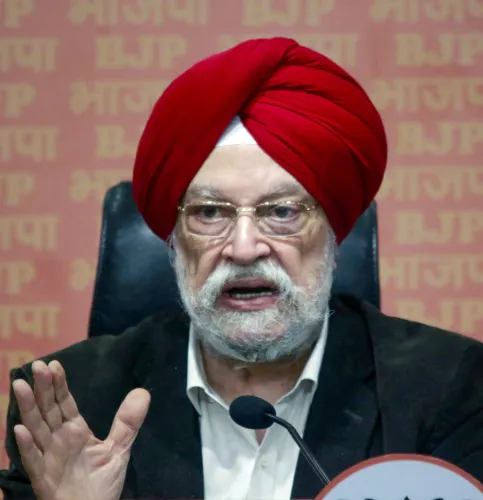
Petroleum and Natural Gas Minister Hardeep Singh Puri on Friday, 21 August said India is on course to expand its oil refining capacity from 272 million metric tonnes per annum (MMTPA) to 300 MMTPA, even as global refining capacity faces mounting uncertainty. The announcement came alongside a landmark bilateral energy agreement signed between India and Mauritius on Thursday.
India's Refining Ambition
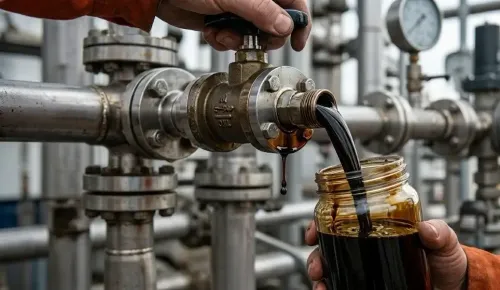
India currently operates 23 refineries processing close to 270 million metric tonnes of crude annually, cementing its position as the world's third-largest refiner. The push towards 300 MMTPA is part of a broader strategic vision to make India a dependable energy hub for the Indo-Pacific region.
'As a net exporter of refined petroleum products, India sees this capacity not merely as an asset, but as a responsibility to be a dependable, transparent and stable energy partner for friends across the world, particularly in the Indo-Pacific,' Puri said.
The India-Mauritius Energy Agreement
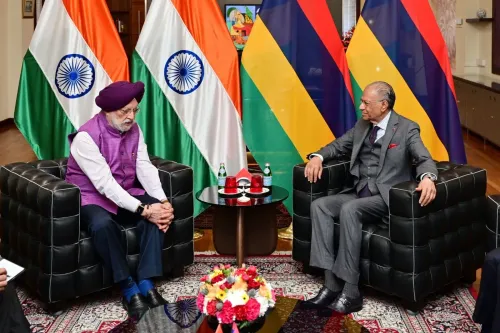
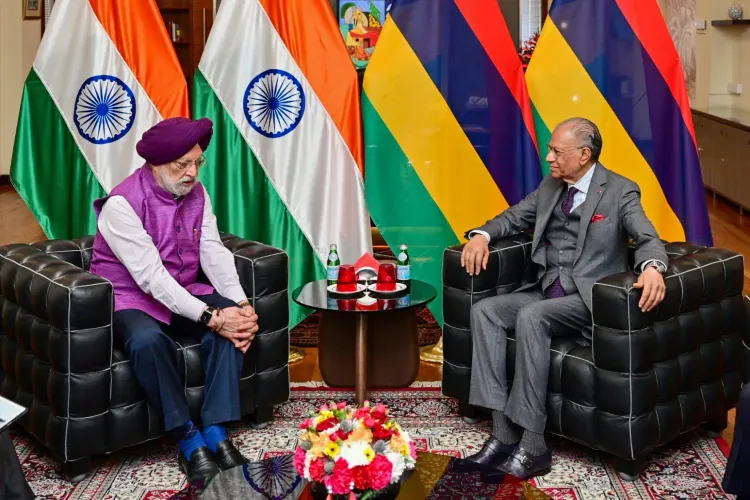
India and Mauritius on Thursday signed a landmark Memorandum of Understanding (MoU) on cooperation in the oil and gas sector. Alongside it, IndianOil and the State Trading Corporation (STC) of Mauritius inked a five-year supply agreement for assured delivery of petroleum products to the island nation.
Puri signed the MoU with Mauritius Minister of Commerce and Consumer Protection John Michael Tzoun Sao Yeung Sik Yuen, marking a new chapter in bilateral energy cooperation that dates back to 2001, when IndianOil first began serving Mauritius through IndianOil Mauritius Limited.
What the Supply Deal Covers
Under the five-year agreement, IndianOil will supply petrol, diesel, marine gas oil, and Aviation Turbine Fuel (ATF) to Mauritius. The deal is structured to provide long-term supply certainty, greater price stability, and enhanced energy security for the island nation.
'These G2G and B2B agreements mark a new chapter in India-Mauritius energy cooperation, providing Mauritius with stable, reliable energy supplies and positioning IndianOil as a trusted anchor supplier for the next three years,' Puri noted in a post on X.
Clean Energy and the Biofuels Dimension
The cooperation is not limited to crude and refined products. As a founding member of the Global Biofuels Alliance (GBA), Mauritius has developed a new National Biofuel Policy Framework with GBA support. Puri said this opens the door for deeper collaboration in clean and sustainable fuels between the two nations.
He described the India-Mauritius energy partnership as reflecting 'a shared commitment to predictability, stability and mutual prosperity,' adding that 'the agreement signed on Thursday marks a landmark in the bilateral energy relationship.'
What This Means Going Forward
The deal positions India as a strategic energy anchor in the Indian Ocean region at a time when global energy supply chains remain volatile. Analysts note that India's growing refining surplus — driven by domestic capacity expansion — is increasingly being channelled into long-term government-to-government supply frameworks across the Indo-Pacific, a trend this agreement reinforces. The next milestone to watch is the pace at which India's refining capacity actually closes in on the 300 MMTPA target.
Point of View
One G2G framework at a time. Puri's framing of India's refining capacity as a 'responsibility' rather than merely an asset is deliberate positioning ahead of what could be a contested Indo-Pacific energy order. The 300 MMTPA target, however, needs a timeline and investment roadmap to be credible; capacity announcements without commissioning schedules have a history of slipping. The biofuel dimension, while mentioned, remains aspirational until Mauritius's new policy framework translates into actual procurement volumes.
NationPress
5 Oct 2026
Frequently Asked Questions
What is India's current oil refining capacity and what is the target?
India currently has an oil refining capacity of approximately 272 MMTPA across 23 refineries and is expanding towards 300 MMTPA. This makes India the world's third-largest oil refiner, according to Minister Hardeep Singh Puri.
What did India and Mauritius sign in the energy sector?
India and Mauritius signed a Memorandum of Understanding (MoU) on cooperation in the oil and gas sector on Thursday, 21 August. Alongside this, IndianOil and the State Trading Corporation (STC) of Mauritius signed a five-year agreement for assured supply of petrol, diesel, marine gas oil, and Aviation Turbine Fuel (ATF) to Mauritius.
How long has IndianOil been supplying energy to Mauritius?
IndianOil has been serving Mauritius since 2001 through IndianOil Mauritius Limited. The new five-year supply agreement builds on over two decades of bilateral energy cooperation.
What role does the Global Biofuels Alliance play in the India-Mauritius deal?
Mauritius is a founding member of the Global Biofuels Alliance (GBA) and has developed a National Biofuel Policy Framework with GBA support. This opens the possibility of deeper India-Mauritius cooperation in clean and sustainable fuels, beyond crude and refined petroleum products.
Why is India expanding its refining capacity amid global uncertainty?
India is positioning itself as a dependable energy partner for nations in the Indo-Pacific at a time when global refining capacity faces uncertainty. As a net exporter of refined petroleum products, India views its expanded refining capacity as a strategic tool for energy diplomacy, according to Minister Puri.