Puri: India to scale refining capacity to 450 MMTPA
Synopsis
Union Petroleum Minister Hardeep Singh Puri told the FICCI AGM that India is targeting 320 MMTPA refining capacity by 2030 and 450 MMTPA long-term — expanding aggressively as Europe and China close refineries — anchored by a new greenfield plant at Barmer, Rajasthan.
Key Takeaways
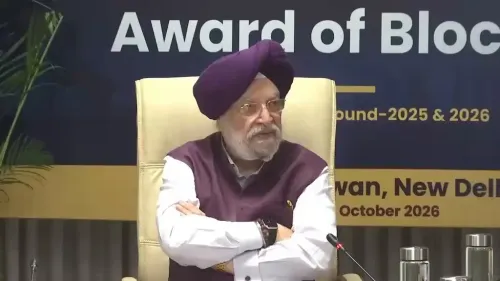
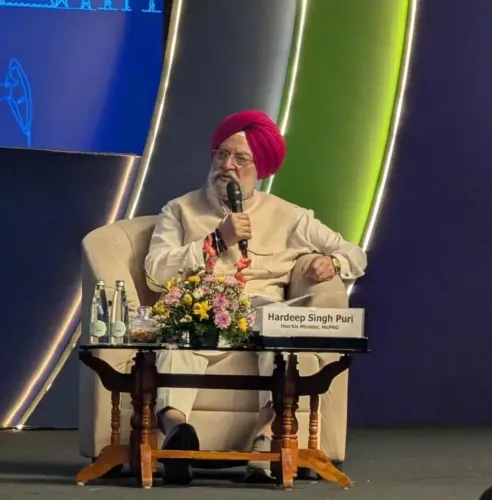
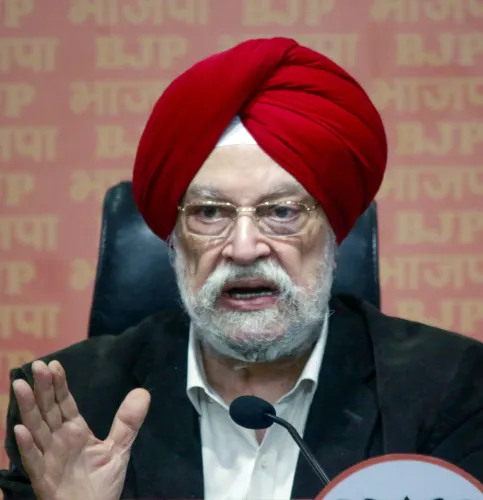
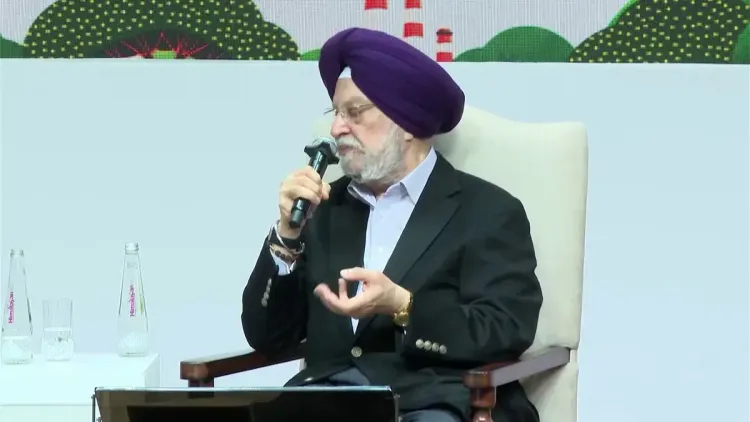
Union Petroleum Minister Hardeep Singh Puri addressed the FICCI Annual General Meeting on 19 November 2026 .
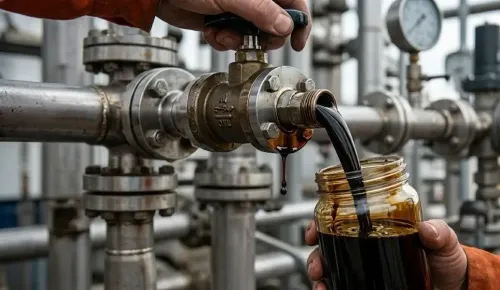
India targets 320 MMTPA refining capacity by 2030 , rising to 450 MMTPA in a longer-term horizon.
A new greenfield refinery at Barmer, Rajasthan is cited as a flagship project in the expansion drive.
India is expanding capacity counter-cyclically as refineries shut down in Europe and face reduced utilisation in China and parts of East Asia.
The strategic goal extends beyond domestic energy security to positioning India as a major player in global refining and fuel supply .
Commissioning timelines and funding milestones for the Barmer refinery and existing-site expansions remain key indicators to watch.
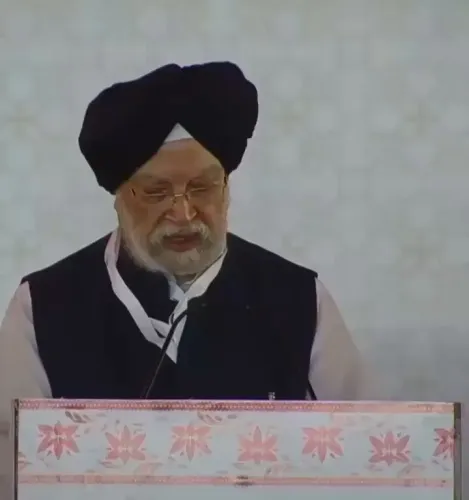
While refineries shut across Europe and China, India is running in the opposite direction — and Union Petroleum Minister Hardeep Singh Puri wants the world to notice. Speaking at the FICCI Annual General Meeting on Thursday, 19 November 2026, Puri laid out an assertive vision: India is not just securing its own energy future, it is positioning itself as a consequential player in the global refining order.
Posting in Hindi on X, the Minister declared: 'When refining capacity is shrinking in many of the world's major energy markets, India is continuously expanding its own. Refineries are shutting down in countries like Europe and China, but in India new refineries are being established and existing ones are being expanded.' The contrast was deliberate — a direct rebuttal to any narrative of fossil-fuel retreat.
From 320 to 450 MMTPA: the numbers behind the ambition
Puri set out a two-stage capacity target: 320 million metric tonnes per annum (MMTPA) by 2030, and an eventual ceiling of 450 MMTPA. India's refining policy lineage on this front goes back to government statements from as early as 2018-19, when officials first outlined plans to nearly double throughput capacity over a decade. That the roadmap is still being championed — and now assigned sharper milestones — signals institutional commitment rather than aspirational rhetoric.
The scale matters. At 450 MMTPA, India would operate one of the largest refining bases on the planet, transforming from a country that manages domestic demand into one with meaningful export leverage over regional fuel markets.
Barmer on the map — and expansions at existing sites
Puri specifically cited the new greenfield refinery proposed at Barmer, Rajasthan as a centrepiece of this expansion drive. The Barmer project has long been flagged as a strategic downstream investment in western India, designed to serve both inland consumption corridors and potential export routes. Alongside Barmer, the Minister pointed to capacity additions at existing refinery sites, though commissioning timelines and funding milestones for these projects remain closely watched by industry investors and oil marketing companies.
The timing of the FICCI platform was no accident. Speaking before an audience of industrial stakeholders, Puri's message carried a dual function — policy signal to the market and a call for private investment to align with the state's upstream ambitions.
A world closing refineries — and India going the other way
The global context sharpens the significance of Puri's remarks. Decarbonisation mandates across Europe have accelerated refinery rationalisation. In parts of East Asia, overcapacity and shifting demand patterns have driven reduced utilisation. India's counter-movement — expanding throughput precisely as global supply tightens — could hand it structural pricing and supply-security advantages as Asia's fuel appetite grows through the next decade.
'भारत अब केवल अपनी ऊर्जा जरूरतें पूरी करने की तैयारी नहीं कर रहा' ['India is no longer merely preparing to meet its own energy needs'], Puri wrote — it is 'continuously strengthening its role and capability in the global energy landscape.' That is a strategic claim, not a housekeeping update. The refinery buildout is the infrastructure argument India is making for a seat at the high table of global energy supply.
Point of View
Not merely an infrastructure project — a posture that has become more explicit as Western decarbonisation policy thins global refining supply. The 320-to-450 MMTPA roadmap, anchored since 2018-19, is now being re-energised with named projects like Barmer, suggesting the government wants investor commitment to accelerate. The counter-cyclical positioning — expanding while rivals contract — could become a defining economic narrative for India's energy sector through the 2030s, provided funding and commissioning milestones are actually met.
NationPress
19 Nov 2026
Frequently Asked Questions
What is India's refining capacity target by 2030?
Union Petroleum Minister Hardeep Singh Puri has stated India aims to reach 320 million metric tonnes per annum (MMTPA) in refining capacity by 2030 , with a longer-term target of 450 MMTPA .
Where is the new refinery being built in India?
A new greenfield oil refinery is proposed at Barmer in Rajasthan . Minister Puri cited it as a flagship project in India's refining expansion drive, though exact commissioning timelines have not been confirmed.
Why are European and Chinese refineries closing while India expands?
Refineries in Europe are closing primarily due to decarbonisation mandates and declining fossil-fuel demand targets, while parts of East Asia face overcapacity. India, with rising domestic fuel demand and an ambition to become a regional export hub, is moving in the opposite direction.
What is FICCI AGM and why did Puri speak there?
FICCI (Federation of Indian Chambers of Commerce and Industry) is India's apex industry body. Its Annual General Meeting brings together top corporate leaders, making it a key platform for ministers to signal policy direction and invite private investment.
What does 450 MMTPA mean for India's global energy role?
At 450 MMTPA , India would operate one of the world's largest refining bases, giving it not just domestic energy security but the capacity to influence regional fuel supply and pricing — shifting it from an energy consumer to a major downstream exporter.