CM Bhupendra Patel Hails GI Tag for Unjha Jeera and Fennel
Synopsis
The Government of India has granted GI tags to Unjha Jeera and Unjha Fennel, recognising the Mehsana district town's global standing as a premier spice hub. Gujarat Chief Minister Bhupendra Patel welcomed the move as a boost to farmer prosperity and export competitiveness.
Key Takeaways
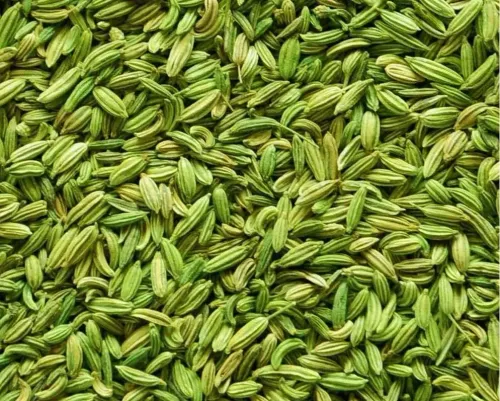
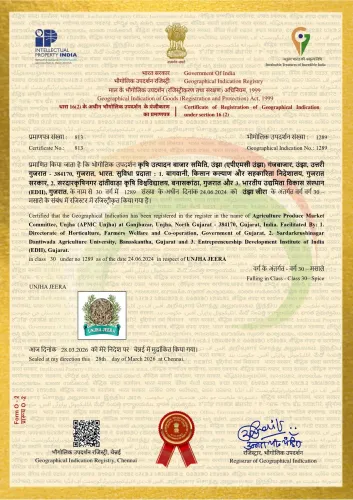
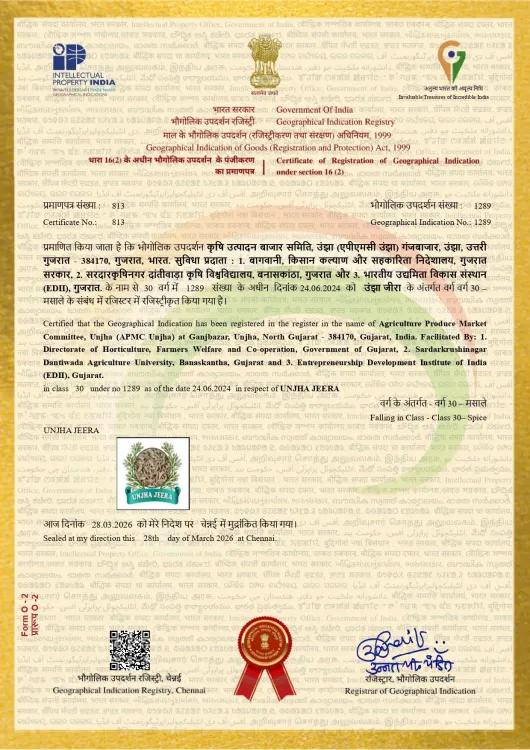
The Government of India has granted Geographical Indication tags to Unjha Jeera and Unjha Fennel from Mehsana district, Gujarat .
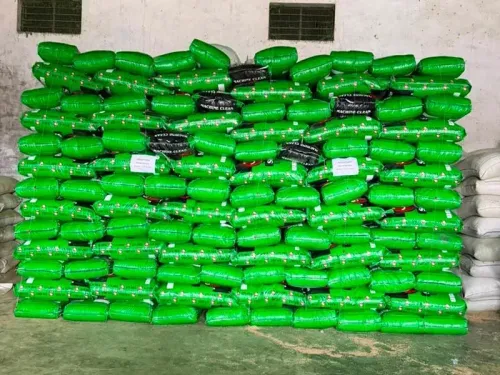
Unjha is one of India's largest cumin and fennel trading hubs, with a well-established reputation in domestic and international spice markets.
GI tags are granted under the Geographical Indications of Goods (Registration and Protection) Act, 1999 , administered by the DPIIT .
The certification is expected to improve price realisation for farmers and strengthen the export identity of Unjha spices globally.
Gujarat Chief Minister Bhupendra Patel congratulated farmers and traders, calling the recognition an affirmation of the region's 'rich legacy and authenticity'.
The tags are part of a broader national push to expand GI registrations for Indian agricultural commodities and protect them from misuse.
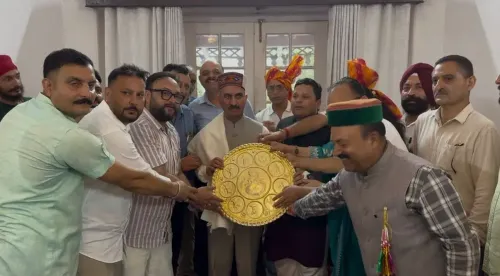
Gujarat Chief Minister Bhupendra Patel on Monday, 13 July 2026 welcomed the Government of India's decision to grant Geographical Indication (GI) tags to Unjha Jeera (cumin) and Unjha Fennel, two flagship spices from the renowned spice-trading town of Unjha in Mehsana district, Gujarat. The Chief Minister called the recognition a validation of the town's centuries-old legacy in the spice trade and expressed congratulations to farmers and traders associated with the achievement.
Context
Unjha is widely regarded as one of India's largest and most active mandis for cumin and fennel, drawing buyers and exporters from across the country and abroad. The town's spices have long commanded a premium in domestic and international markets on account of their distinctive aroma, flavour profile, and quality. The GI tag now provides formal legal recognition to this origin-linked distinction, preventing other producers from misusing the Unjha name to market inferior or unrelated produce.
Chief Minister Patel stated in his post that the tag 'recognizes this rich legacy and authenticity, while strengthening their global identity, enhancing export opportunities, adding value to our agricultural produce, and contributing to the prosperity of our farmers.'
Policy Backdrop
GI tags in India are granted under the Geographical Indications of Goods (Registration and Protection) Act, 1999, administered by the GI Registry under the Department for Promotion of Industry and Internal Trade (DPIIT). The legislation was designed to protect region-specific products from imitation, safeguard traditional knowledge, and enable producers to command a market premium tied to provenance.
India has steadily expanded its roster of GI-registered agricultural commodities over the past two decades. Gujarat has been among the more active states in this process, having secured GI recognition for products spanning textiles, foods, and spices. The Unjha spice tags add to this growing portfolio and reflect a broader national strategy of linking geographic origin with export competitiveness.
Stakeholders and Impact
The most direct beneficiaries are the spice farmers and commission agents concentrated in and around Unjha, who can now market their cumin and fennel under a legally protected designation of origin. GI certification typically improves price realisation by assuring buyers of authenticity, a factor that matters especially in export markets in Europe, the Middle East, and Southeast Asia where Indian cumin and fennel are in significant demand.
Traders operating through the Unjha mandi stand to gain from enhanced brand credibility, while the state government can leverage the tag in trade promotion campaigns. For farmers, the protection reduces the risk of their produce being undercut by cheaper, mislabelled alternatives in both domestic wholesale and export channels.
What's Next
Attention will now turn to how effectively the GI certification is enforced and promoted in export markets. Stakeholders and trade bodies are expected to align branding, packaging, and certification processes to capitalise on the new status. Observers will also watch whether the Unjha tags catalyse fresh GI applications for other Gujarat spices and agricultural products that have historically relied on informal reputation rather than formal protection. The long-term test will be whether the tag translates into measurable gains in export volumes and farmgate prices for cumin and fennel growers in Mehsana district.
Point of View
Export strategy, and rural income support — three pillars the BJP-led governments at the centre and in Gujarat have consistently emphasised. For Chief Minister Bhupendra Patel, amplifying this recognition serves a dual purpose: it signals policy delivery to a farming and trading constituency in north Gujarat ahead of any electoral cycle, and it reinforces Gujarat's positioning as a commercially sophisticated agricultural state. The move also fits a decade-long pattern of using GI certification as a soft-power tool to differentiate Indian produce in competitive global spice markets. Whether the tag yields tangible price and volume gains will depend on downstream enforcement and trade-promotion investment — areas where past GI grants have produced uneven results.
NationPress
12 Oct 2026
Frequently Asked Questions
What is the GI tag granted to Unjha Jeera and Unjha Fennel?
A Geographical Indication (GI) tag is a legal certification under India's GI Act of 1999 that links a product's quality or reputation to its specific geographic origin. Unjha Jeera and Unjha Fennel have been granted this tag by the Government of India, recognising Unjha in Mehsana district, Gujarat, as their authentic place of origin.
Where is Unjha and why is it famous for spices?
Unjha is a town in Mehsana district of Gujarat and is one of India's largest and most prominent mandis for cumin (jeera) and fennel (saunf). It is known globally for the high quality and distinctive characteristics of these spices, attracting traders and exporters from across the country and abroad.
How will the GI tag benefit Unjha spice farmers?
The GI tag is expected to improve price realisation for farmers by assuring buyers of the authenticity and origin of the produce. It also opens doors to better branding in export markets, reduces the risk of cheaper mislabelled alternatives undercutting genuine Unjha spices, and supports higher farmgate incomes over time.
Who grants GI tags in India?
GI tags in India are granted by the Geographical Indications Registry, which operates under the Department for Promotion of Industry and Internal Trade (DPIIT), Government of India. The process is governed by the Geographical Indications of Goods (Registration and Protection) Act, 1999.
What did Gujarat CM Bhupendra Patel say about the GI tag for Unjha spices?
Chief Minister Bhupendra Patel welcomed the GI tags on 13 July 2026, stating that the recognition validates Unjha's 'rich legacy and authenticity' and will strengthen the global identity of its spices, enhance export opportunities, add value to agricultural produce, and contribute to farmer prosperity.