India launches high seas fishing LoA scheme, 10 FPPOs get authorisation
Synopsis
India has formally opened its vast Exclusive Economic Zone and high seas to organised fishing — a policy shift that could reshape a sector already worth ₹73,000 crore in exports. With 10 FPPOs receiving the first Letters of Authorisation in Bhubaneswar, the question now is whether the sustainability guardrails — vessel tracking, IUU compliance, digital authorisation — will hold as more licences are issued.
Key Takeaways
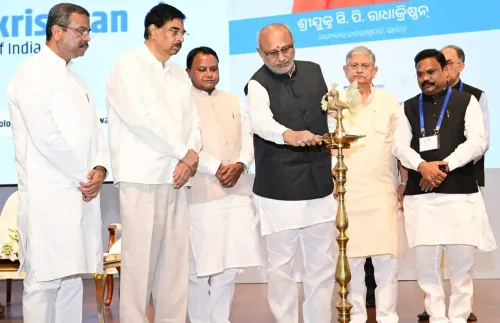
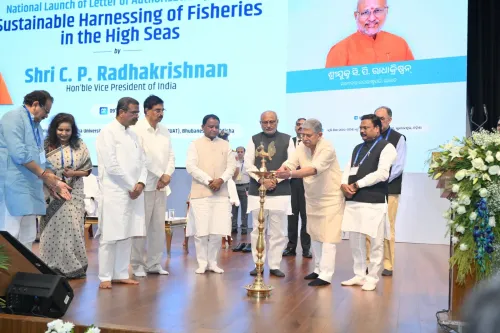
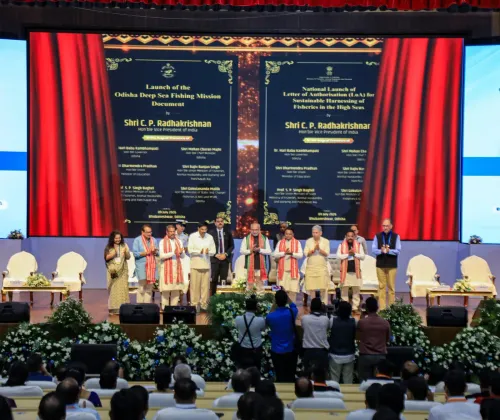
Radhakrishnan launched India's national Letters of Authorisation (LoA) programme for high seas fishing on 9 July in Bhubaneswar .
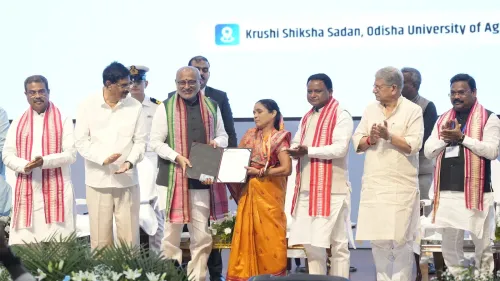
Ten Fish Farmer Producer Organisations (FPPOs) and fishermen from across India received the first LoAs at the event.
India's Exclusive Economic Zone spans nearly 24 lakh square kilometres ; the country has over 11,000 km of coastline.
The fisheries sector supports nearly 3 crore livelihoods; seafood exports crossed ₹73,000 crore in the last financial year.
India is the world's second-largest fish-producing country , contributing around 8% to global fish production.
The programme mandates vessel tracking , digital authorisation , and strict IUU fishing compliance as sustainability safeguards.
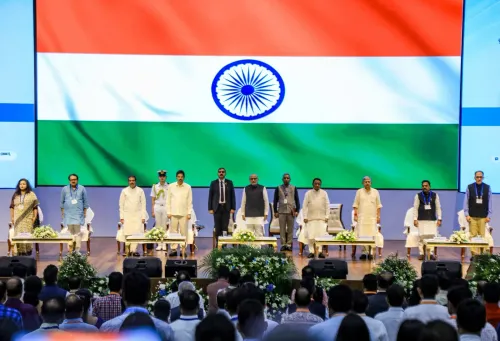
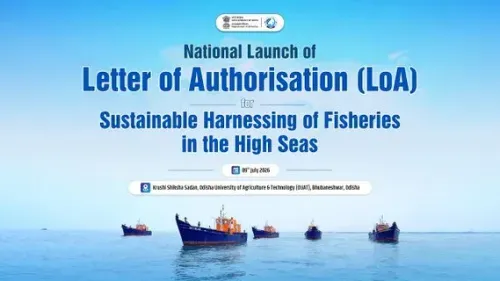
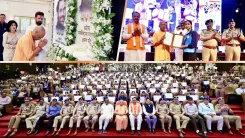
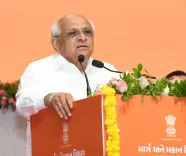
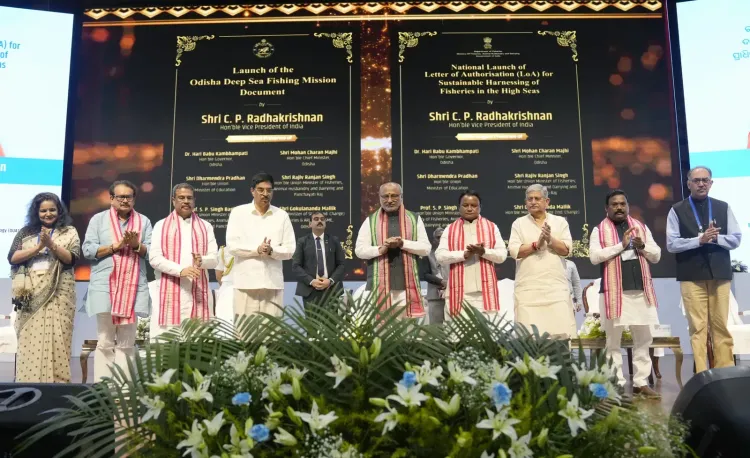
Vice President C. P. Radhakrishnan on 9 July launched India's national programme for the issuance of Letters of Authorisation (LoAs) for sustainable high seas fishing, marking a significant shift in the country's maritime fisheries policy. The event, held in Bhubaneswar, saw ten Fish Farmer Producer Organisations (FPPOs) and individual fishermen from across the country receive their LoAs, formally opening access to deep-water and high-seas fishing for Indian coastal communities.
What the Programme Covers
The new framework enables Indian fishermen and fishing cooperatives to venture beyond traditional near-shore waters into the country's Exclusive Economic Zone (EEZ) — spanning nearly 24 lakh square kilometres — and into international high seas. The programme prioritises fisheries cooperatives, Fish Farmer Producer Organisations, and individual Indian fishermen for LoA issuance, giving organised coastal communities first access to deep-water licences.
The Vice President also launched the Odisha Deep Sea Fishing Mission Document at the same event, signalling a state-level push aligned with the national programme. High-value species such as tuna are among the primary targets of the new deep-sea push.
India's Fisheries Sector: Scale and Potential
India's fisheries sector already carries considerable weight globally. The country is currently the world's second-largest fish-producing nation, contributing around 8% to global fish production. The sector supports the livelihoods of nearly 3 crore fishermen and fish farmers, and seafood exports crossed ₹73,000 crore in the last financial year.
Despite this scale, India's 11,000-kilometre coastline and vast EEZ remain largely underleveraged, with most fishing activity historically concentrated close to shore. The LoA programme is designed to change that calculus by providing a legal and logistical framework for organised deep-sea operations.
Sustainability and Compliance at the Core
Radhakrishnan stressed that economic expansion into the high seas must be matched by rigorous conservation. He underlined the importance of digital authorisation systems, vessel tracking, international certification, and strict compliance with measures against illegal, unreported, and unregulated (IUU) fishing. 'Sustainable fishing is a moral responsibility,' he said, adding that economic progress must go hand in hand with marine resource conservation.
The Vice President also called on young people to view fisheries as a modern, technology-driven profession, urging institutions to support fishing communities with knowledge, finance, and innovation in line with the Viksit Bharat 2047 vision.
Officials and Dignitaries Present
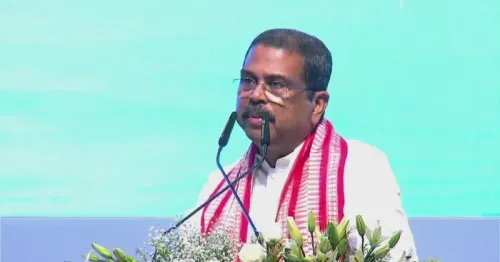
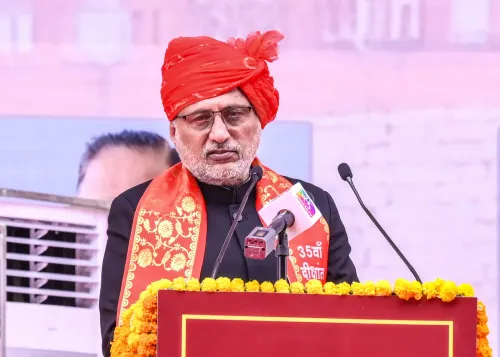
The launch event was attended by Odisha Governor Hari Babu Kambhampati, Chief Minister Mohan Charan Majhi, Union Fisheries, Animal Husbandry, Dairying and Panchayati Raj Minister Rajiv Ranjan Singh, Union Education Minister Dharmendra Pradhan, and several other dignitaries. The broad representation of both Centre and state leadership signals coordinated political backing for the initiative.
What Comes Next
With the first batch of LoAs now issued, the programme is expected to catalyse downstream employment across harvesting, processing, cold chain, transportation, packaging, logistics, and export services. Industry observers will watch whether the framework translates into measurable export growth and whether the sustainability compliance mechanisms prove enforceable at scale.
Point of View
But without adequate credit, cold-chain infrastructure, and training, the LoAs risk becoming paper permissions. The Odisha Deep Sea Fishing Mission Document, launched alongside, is worth watching — state-level execution will ultimately determine whether this national programme delivers or drifts.
NationPress
8 Oct 2026
Frequently Asked Questions
What is the Letters of Authorisation (LoA) scheme for high seas fishing in India?
The LoA scheme is a national programme launched on 9 July in Bhubaneswar that formally authorises Indian fishermen, fisheries cooperatives, and Fish Farmer Producer Organisations to fish sustainably in India's Exclusive Economic Zone and international high seas. It prioritises organised fishing bodies and mandates vessel tracking and IUU compliance as conditions of authorisation.
Who launched the high seas fishing LoA programme and where?
Vice President C. P. Radhakrishnan launched the programme in Bhubaneswar on 9 July. The event was also attended by Odisha Governor Hari Babu Kambhampati, Chief Minister Mohan Charan Majhi, and Union Ministers Rajiv Ranjan Singh and Dharmendra Pradhan.
How large is India's fisheries sector?
India is the world's second-largest fish-producing country, accounting for around 8% of global fish production. The sector supports nearly 3 crore livelihoods, and seafood exports crossed ₹73,000 crore in the last financial year.
What sustainability measures are built into the high seas fishing scheme?
The programme requires digital authorisation systems, vessel tracking, international certification, and strict compliance with measures against illegal, unreported, and unregulated (IUU) fishing. Vice President Radhakrishnan described sustainable fishing as a 'moral responsibility' at the launch.
What is the Odisha Deep Sea Fishing Mission Document?
The Odisha Deep Sea Fishing Mission Document is a state-level policy framework launched alongside the national LoA programme on 9 July. It outlines Odisha's roadmap for expanding deep-sea fishing operations in alignment with the Centre's high seas fishing initiative.