India-Nepal ties: Modi, Shah adopt 10-pillar roadmap
Synopsis
India and Nepal have adopted a 10-pillar vision spanning trade, energy, digital connectivity and public services. Plans include a cricket academy in Nepal, an explored IIT branch campus and a monitoring group that will meet at least every six months.
Key Takeaways
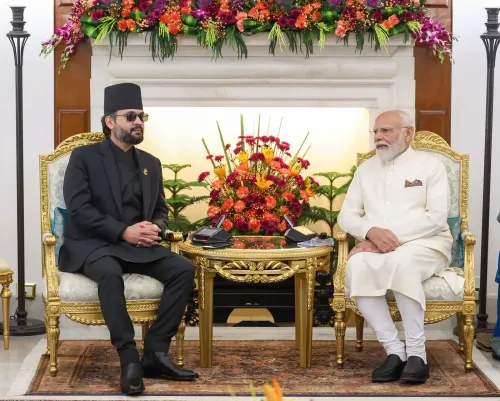
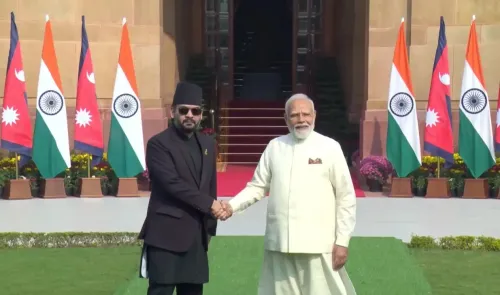
India and Nepal adopted a 10-pillar joint vision during Prime Minister Balendra Shah's state visit to India .
The roadmap covers cross-border trade, railways, petroleum pipelines, digital payments and energy cooperation.
The countries will explore an Indian Institute of Technology branch campus in Nepal .
India will support a national cricket coaching and training academy in Nepal .
India will provide grant assistance for an agro-industrial park in Chitwan .
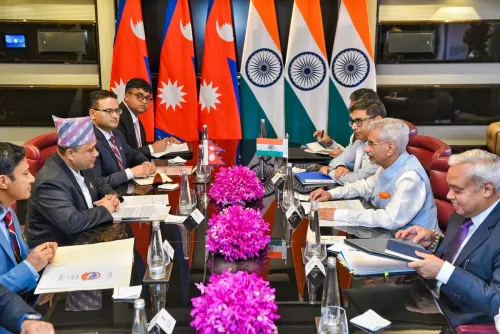
A monitoring group will meet at least once every six months and report to the India-Nepal Joint Commission .
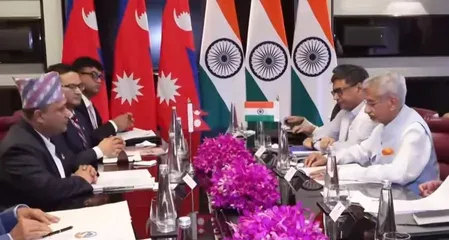
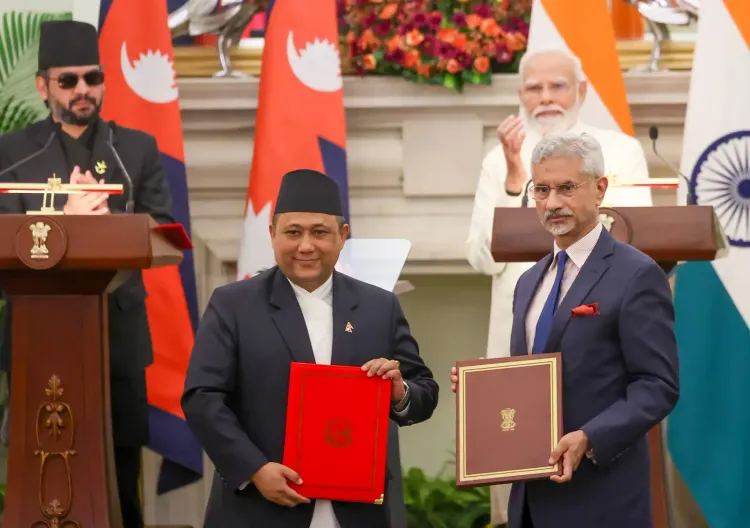
The India-Nepal partnership will be guided by a 10-pillar joint vision adopted during Nepal Prime Minister Balendra Shah's two-day state visit to India at the invitation of Prime Minister Narendra Modi. Unveiled on Monday, 23 November, the roadmap spans trade, connectivity, energy, education, health and other areas of cooperation.
Titled 'Viksit Bharat and Samunnat Nepal: Re-imagining the Partnership', the document links India's 'Viksit Bharat 2047' vision with Nepal's 'Samunnat Nepal' aspirations. It also establishes a monitoring mechanism for projects and initiatives covered by the vision.
Trade, investment and cross-border connectivity
Under the economic and development pillar, the neighbours agreed to review existing trade and investment frameworks and explore new transit arrangements and air routes. They also plan to cooperate on cross-border special economic zones and industrial parks near the Nepal-India border.
The proposed zones are intended to encourage export-oriented manufacturing and strengthen links with regional supply chains. The document also envisages cooperation on information technology parks, Indian encouragement of investment in Nepal's priority sectors and arrangements to improve investor confidence and ease of doing business.
Both countries agreed to accelerate cross-border railway links, integrated check posts, petroleum pipelines and digital payment systems. These measures are intended to strengthen economic cooperation as well as people-to-people ties.
Energy, digital governance and innovation
The energy and climate pillar covers hydropower development, cross-border electricity trade, water resources management and disaster preparedness. The countries also agreed to promote investment and accelerate multipurpose projects.
On governance, the vision calls for exchanges of technical expertise and best practices, training for civil servants and closer cooperation between government institutions. Digital public infrastructure cooperation will cover identity, payments and e-governance, in accordance with recognised principles of digital sovereignty and data protection, and support Nepal's Digital Nepal Framework.
The technology and innovation pillar includes plans for a Startup Centre of Excellence in Kathmandu and a Digital Nomads and Innovation Hub in Pokhara. The agreement also envisages deeper cooperation in space research.
Education, cricket, culture and health
The countries will explore establishing an Indian Institute of Technology branch campus in Nepal and expanding scholarships for Nepali students in emerging disciplines. In sport, India will support a national cricket coaching and training academy and the development of national and provincial cricket infrastructure in Nepal.
Players from Nepali provincial cricket teams will have opportunities to train at national cricket academies in India. The cultural and tourism pillar proposes annual youth festivals, university and tourism-business collaboration, and sister-city agreements.
Proposed pilgrimage routes include a Ramayana circuit linking Janakpur and Ayodhya; a Buddhist circuit connecting Lumbini, Bodhgaya, Sarnath and Kushinagar; and a Shiv-Shakti circuit connecting Pashupatinath Temple in Kathmandu with Varanasi.
Health cooperation includes upgrading Nepal's National Medical Laboratory, establishing Jan Aushadhi Kendras for affordable medicines and expanding healthcare infrastructure.
Agriculture and implementation
Under the agriculture pillar, India will provide grant assistance for an agro-industrial park in Chitwan, intended to support processing and value addition for Nepali agricultural products. The countries also agreed to expedite the 2026–2030 work plan between the Indian Council of Agricultural Research and the Nepal Agricultural Research Council.
India will organise specialised training for Nepali officials, farmers and other agricultural professionals. The breadth of the roadmap means implementation will involve sectors ranging from border infrastructure to public services and agriculture.
A High-Level Monitoring Group, led by Nepal's Foreign Secretary and India's Ambassador to Nepal, will meet at least once every six months to oversee projects and facilitate clearances. It will submit reports to the India-Nepal Joint Commission, co-chaired by the countries' foreign ministers, as the two sides move towards implementation.
Point of View
Rather than the number of commitments, the measure of its value to both countries. The monitoring group provides a route for accountability, but its usefulness will depend on whether it identifies delays and secures the necessary approvals. Projects affecting trade, public services and local communities will need transparent follow-through if the joint vision is to deliver practical benefits.
NationPress
23 Nov 2026
Frequently Asked Questions
What is the India-Nepal 10-pillar joint vision?
It is a roadmap for India-Nepal cooperation covering economic development, connectivity, energy and climate, governance, technology, education, sports, culture and tourism, health, and agriculture. It was adopted during Nepal Prime Minister Balendra Shah's state visit to India.
What connectivity projects are included in the India-Nepal roadmap?
The countries agreed to accelerate cross-border rail links, integrated check posts, petroleum pipelines and digital payment systems. They will also explore new transit arrangements and air routes.
Will India help establish a cricket academy in Nepal?
Yes, India will support a national cricket coaching and training academy in Nepal. Nepali provincial players will also have opportunities to train at national cricket academies in India.
Does the India-Nepal agreement include an IIT campus in Nepal?
The countries agreed to explore establishing an Indian Institute of Technology branch campus in Nepal. The joint vision does not announce a confirmed opening date.
How will India and Nepal monitor the roadmap?
A High-Level Monitoring Group will meet at least once every six months to oversee initiatives and facilitate clearances. It will report to the India-Nepal Joint Commission.