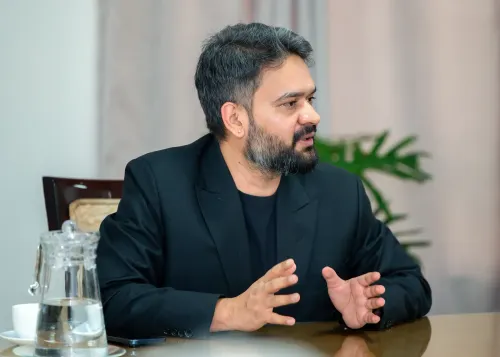
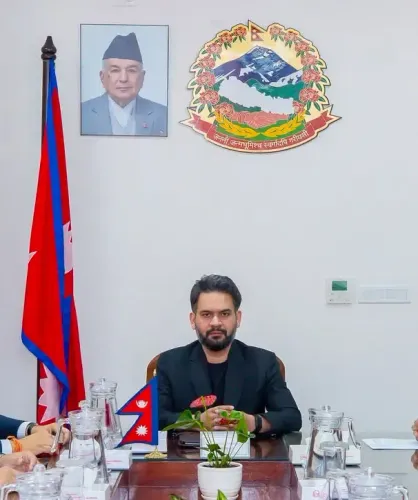
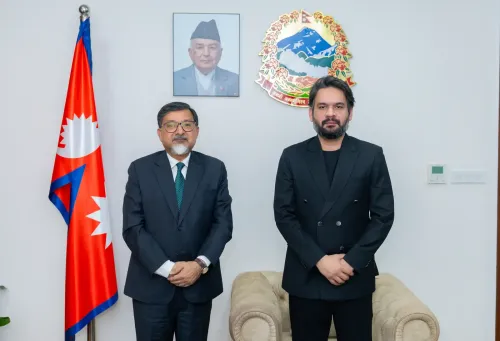
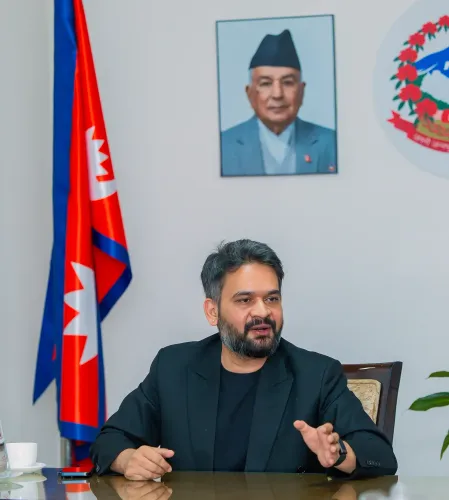
Nepal PM Balendra Shah's India visit to deepen bilateral ties, energy and trade on agenda
Synopsis
Nepal PM Balendra Shah's debut bilateral visit to India isn't just a diplomatic formality — it carries a dense agenda: flood reconstruction funds, airspace access, trade concessions, a new joint vision document, and the unresolved Agnipath question. How much gets signed versus how much gets deferred will reveal the true state of one of South Asia's most strategically loaded relationships.
Key Takeaways
Nepal PM Balendra Shah is on a two-day State visit to India — his first bilateral trip since taking office in March 2026 .
Formal bilateral talks with PM Narendra Modi are scheduled for 23 November , covering energy, trade, connectivity and post-flood reconstruction.
Nepal is seeking financial support after the 26 August floods, additional air entry routes, and trade and transit concessions from India.
Both sides are expected to unveil a Joint Vision Document titled 'Samriddha Nepal, Samunnat Bharat' (Prosperous Nepal, Developed India).
MoUs covering education, health, agriculture, sports, disaster management and human resource development are set to be exchanged.
Recruitment of Nepali citizens under India's Agnipath scheme (introduced in 2022 ) remains under discussion; no immediate announcement expected.
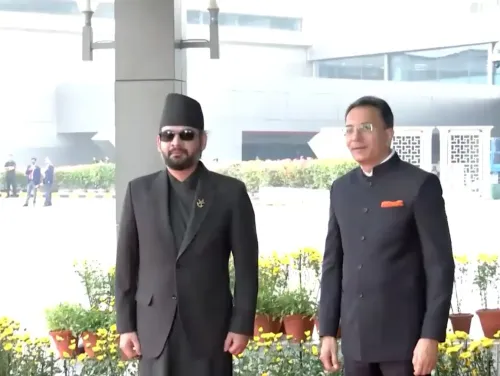
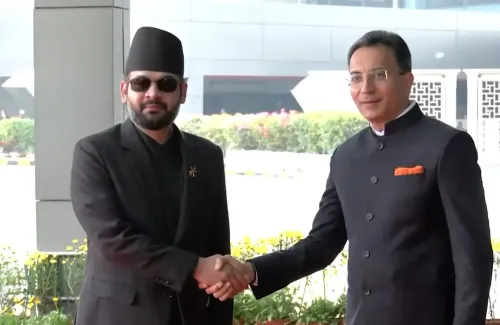
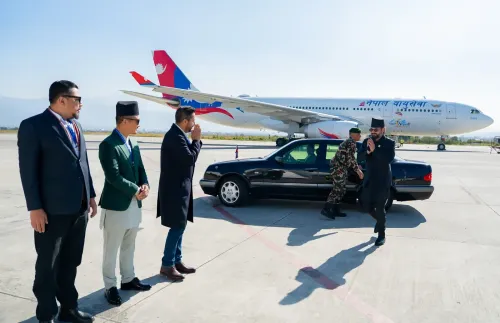
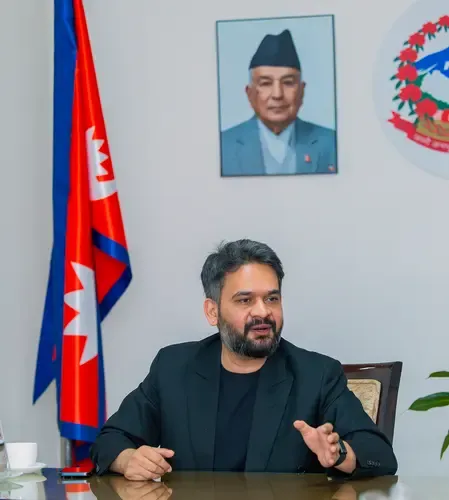
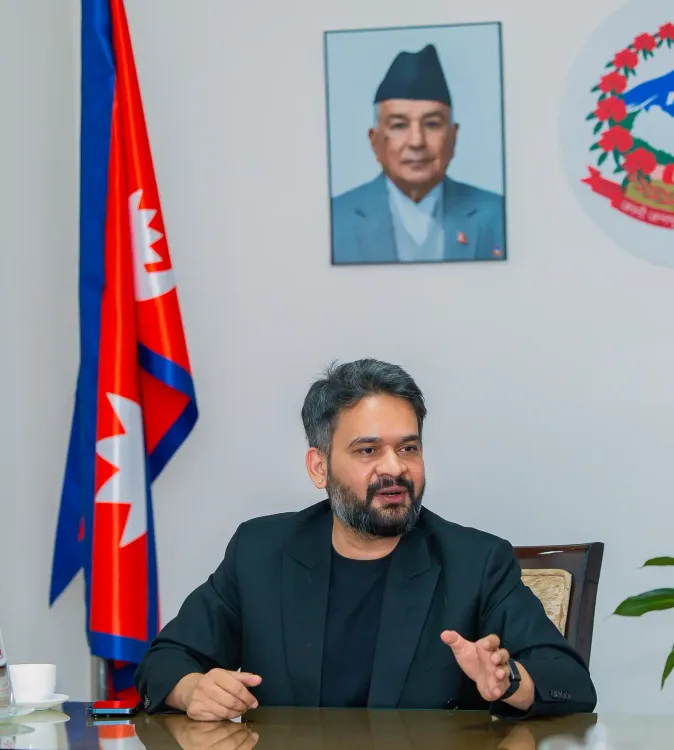
Nepal Prime Minister Balendra Shah arrives in New Delhi on a two-day State visit aimed at resetting the bilateral relationship with India, with talks on post-flood reconstruction, energy partnerships, trade concessions and regional connectivity topping the agenda. The visit, the first bilateral trip by Shah since he was sworn in as Prime Minister in March 2026, is expected to give fresh momentum to one of South Asia's most consequential but often complicated bilateral relationships.
Key Bilateral Talks
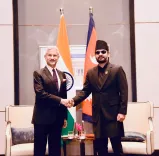
Prime Minister Shah is scheduled to hold formal bilateral talks with Prime Minister Narendra Modi on 23 November to review the full range of India-Nepal relations and exchange views on regional and international issues of mutual interest, the Ministry of External Affairs (MEA) confirmed. This comes after Shah's earlier multilateral engagements — he had attended the United Nations General Assembly in New York in September — making New Delhi his first formal bilateral destination as Prime Minister.
What Kathmandu Wants from the Visit
Nepali officials have outlined a clear set of priorities heading into the summit. Securing additional air entry routes from India, obtaining substantial financial support for reconstruction following the devastating floods of 26 August, and securing trade and transit concessions from India are among the top items on the Nepali government's list. Nepal's Foreign Ministry indicated that discussions will focus on strengthening economic cooperation across trade, transportation, investment, energy, connectivity networks and infrastructure development.
India's Priorities and Energy Access
On India's part, securing access to Nepali airspace and improving the investment climate for Indian businesses in Nepal — particularly in the energy sector — are among its key concerns, according to Nepali officials. The two sides are also expected to inaugurate several completed projects related to connectivity and energy cooperation and lay the foundation stones for new projects, signalling continuity in the infrastructure partnership that has been building over the past decade.
Joint Vision Document and MoUs
A centrepiece of the visit is expected to be the unveiling of a Joint Vision Document titled 'Samriddha Nepal, Samunnat Bharat' (Prosperous Nepal, Developed India), designed to set long-term bilateral goals and concrete targets. Additionally, both sides will exchange memorandums of understanding (MoUs) covering cooperation in education, health, agriculture, sports, disaster management and human resource development.
Defence Ties and the Agnipath Question
Defence cooperation has remained a foundational pillar of India-Nepal relations, with the distinguished legacy of Nepali Gorkhas serving in the Indian Army reflecting deep institutional trust between the two nations. The recruitment of Nepali citizens under India's Agnipath scheme, introduced in 2022, has remained a standing topic of bilateral discussion. No immediate announcement on the matter is expected during Shah's visit; however, continued engagement offers space for both sides to explore mutually acceptable arrangements.
The Broader Strategic Significance
Indian policy analyst and Asia expert Somen Chatterjee argued that the significance of Shah's visit 'extends beyond individual infrastructure projects and economic agreements,' pointing to opportunities in emerging technologies, digital infrastructure, education, healthcare, skill development, renewable energy and entrepreneurship. 'India's experience in digital public infrastructure, financial inclusion and technology-led governance offers potential avenues for knowledge sharing and institutional collaboration,' Chatterjee noted. He added that 'with shared geography, complementary economic strengths and enduring civilisational bonds, India and Nepal are uniquely positioned to build a partnership that combines tradition with modernity.' Nepal's young demographic stands to benefit considerably if cooperation in technology and skills sectors is deepened. The evolving trajectory of bilateral relations points toward a future anchored in shared infrastructure, economic opportunity and prosperity across the region.
Point of View
Samunnat Bharat' joint vision document are welcome, but the real measure of this visit will be deliverables — particularly on flood reconstruction funding and the Agnipath impasse, which Kathmandu has been signalling on for over two years. India's interest in Nepali airspace and energy-sector investment access, combined with Nepal's need for trade concessions and reconstruction aid, creates genuine room for a transactional breakthrough. What is often missed in coverage of India-Nepal summits is the domestic political pressure on both sides: Shah needs tangible wins to consolidate his position at home, while New Delhi has a strategic interest in keeping Kathmandu's foreign policy orbit close at a time when Chinese infrastructure investment in Nepal continues to expand.
NationPress
22 Nov 2026
Frequently Asked Questions
What is the purpose of Nepal PM Balendra Shah's visit to India?
Nepal PM Balendra Shah is on a two-day State visit to India to hold bilateral talks with PM Narendra Modi on 23 November, covering post-flood reconstruction, energy, trade, connectivity and the unveiling of a joint vision document. It is his first formal bilateral visit since taking office in March 2026.
What is the 'Samriddha Nepal, Samunnat Bharat' document?
It is a Joint Vision Document expected to be unveiled during Shah's visit, translating to 'Prosperous Nepal, Developed India.' The document is designed to set long-term bilateral goals and concrete targets across economic, energy and connectivity cooperation.
What are Nepal's top priorities for this visit?
Nepal's key priorities include securing additional air entry routes from India, obtaining financial support for reconstruction after the devastating floods of 26 August, and gaining trade and transit concessions from India, according to Nepali officials.
What is India's key interest in the Nepal talks?
India is primarily focused on securing access to Nepali airspace and improving the investment environment for Indian businesses in Nepal, particularly in the energy sector, according to Nepali officials familiar with the discussions.
Will the Agnipath scheme and Gorkha recruitment be resolved during this visit?
No immediate announcement on the recruitment of Nepali citizens under India's Agnipath scheme is expected during Shah's visit, though the topic remains on the bilateral agenda. The scheme, introduced in 2022, has been a standing point of discussion between the two governments.