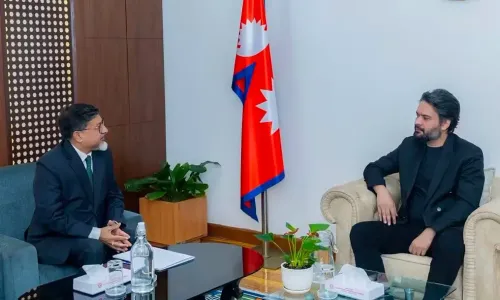
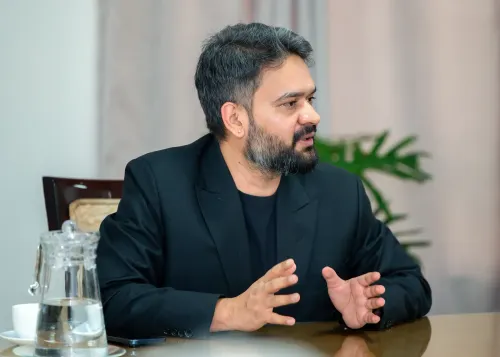
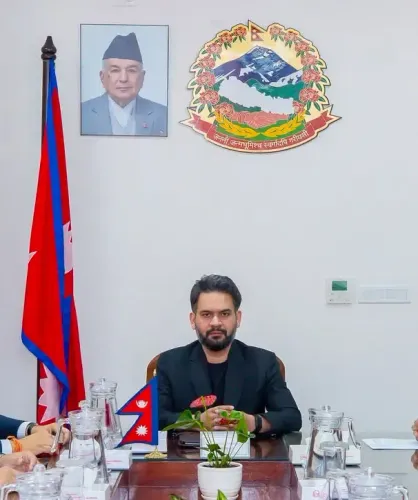
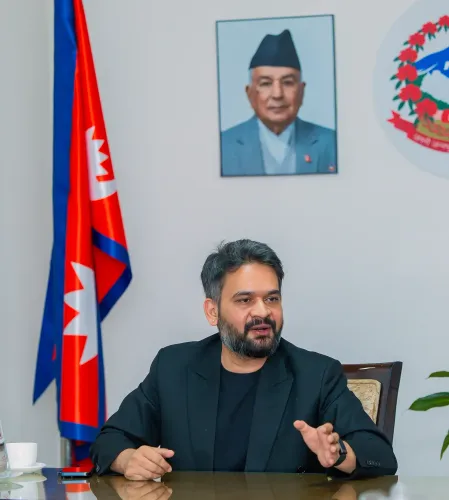
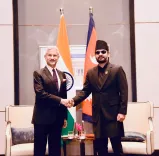
Nepal PM Balendra Shah arrives in Delhi for first India State visit
Synopsis
Nepal's newly sworn-in Prime Minister Balendra Shah is in New Delhi for his first bilateral State visit, bringing a 35-member government delegation and a 52-member business contingent. Beyond the ceremonial, Kathmandu wants flood reconstruction funds, new air routes, and trade concessions — while New Delhi eyes Nepali airspace and a better energy investment climate. A Joint Vision Document titled 'Samriddha Nepal, Samunnat Bharat' is set to frame the relationship's next chapter.
Key Takeaways
Nepal PM Balendra Shah arrived in New Delhi on 22 November 2026 for a two-day State visit — his first bilateral trip since taking office in March 2026 .
Delegation-level talks with PM Narendra Modi are scheduled for 23 November , followed by a joint press conference and official luncheon.
A Joint Vision Document titled 'Samriddha Nepal, Samunnat Bharat' is expected to be unveiled, setting long-term bilateral targets.
Nepal's top priorities include flood reconstruction support , new air entry routes , and trade and transit concessions ; India seeks access to Nepali airspace and better conditions for energy-sector investment.
Shah is accompanied by a 35-member government delegation and a separate 52-member business delegation .
Multiple MoUs covering education, health, agriculture, sports, disaster management, and human resource development are expected to be signed.
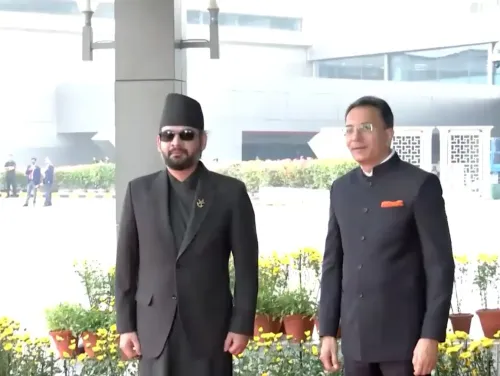
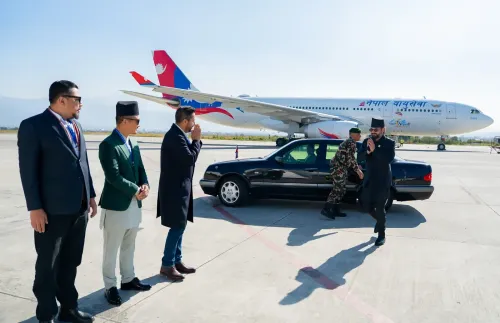
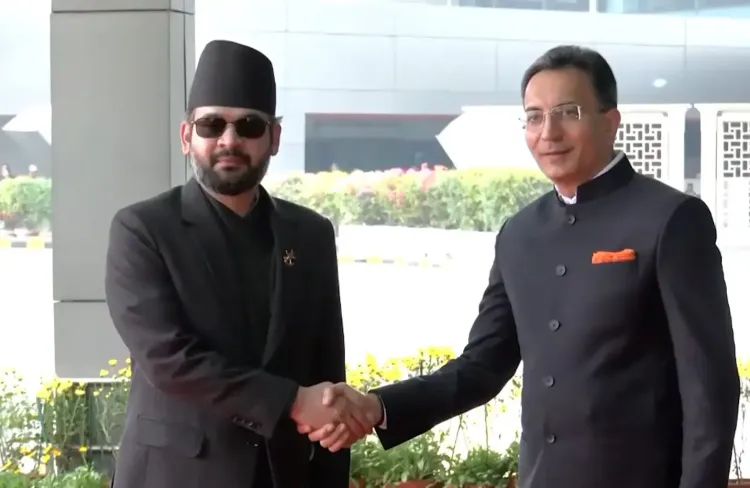
Nepal Prime Minister Balendra Shah arrived in New Delhi on Sunday, 22 November 2026, for a two-day State visit to India at the invitation of Prime Minister Narendra Modi. Union Minister of State for Commerce and Industry Jitin Prasada received Shah at the airport, signalling the diplomatic weight India has attached to the visit.
First Bilateral Visit Since Taking Office
This is Shah's first visit to India since being sworn in as Prime Minister of Nepal in March 2026. While he had previously travelled to New York in September to attend the United Nations General Assembly, the New Delhi visit marks his first bilateral head-of-government trip. The visit continues the established tradition of early India-Nepal bilateral engagement following a change in leadership in Kathmandu.
Key Agenda: Talks with PM Modi and Official Engagements
Shah is scheduled to hold delegation-level talks with Prime Minister Modi on Monday, 23 November, covering the full range of India-Nepal relations as well as regional and international issues of mutual interest, according to a Ministry of External Affairs (MEA) statement. The two leaders will jointly address a press conference after their bilateral meeting, and Modi will host an official luncheon in Shah's honour.
External Affairs Minister S. Jaishankar is scheduled to call on Prime Minister Shah, and Shah will also call on President Droupadi Murmu during the visit. Nepal's Foreign Secretary Amrit Bahadur Rai confirmed the programme details at a press briefing on Friday.
Nepal's Priorities and India's Interests
Nepal's key asks during the visit include securing additional air entry routes from India, obtaining financial support for post-flood reconstruction following the devastating floods of 26 August, and securing concessions on trade and transit, according to Nepali officials. India, in turn, is seeking access to Nepali airspace and an improved investment environment for Indian businesses in Nepal — particularly in the energy sector.
Bilateral talks are expected to span post-flood reconstruction assistance, energy, trade, connectivity, and broader bilateral cooperation. Notably, the two sides are expected to unveil a Joint Vision Document titled 'Samriddha Nepal, Samunnat Bharat' (Prosperous Nepal, Developed India), laying out long-term bilateral goals and concrete targets. Several completed projects in connectivity and energy are set to be inaugurated, with new projects expected to have their foundation stones laid during the visit.
Delegation and Business Participation
Shah is accompanied by a 35-member government delegation that includes Nepal's Finance Minister Swarnim Wagle, Foreign Minister Shishir Khanal, and Chief Advisor to the Prime Minister Kumar Byanjankar, along with other senior officials. A separate 52-member delegation of business representatives is also participating in the visit at their own expense, underscoring the economic dimension of the engagement.
The two sides are also expected to exchange memorandums of understanding (MoUs) covering cooperation in education, health, agriculture, sports, disaster management, and human resource development.
Neighbourhood First and the Bigger Picture
The MEA has described the visit as an expression of the importance India attaches to Nepal under its 'Neighbourhood First' policy. This comes amid broader regional dynamics in which India has been actively reinforcing ties with smaller South Asian neighbours, particularly as Beijing deepens infrastructure engagement across the region. How the two sides frame their energy and connectivity commitments will be closely watched as a signal of the bilateral relationship's direction in the years ahead.
Point of View
While Nepal's growing infrastructure exposure to Chinese financing gives Kathmandu its own bargaining chip. The 'Neighbourhood First' framing sounds reassuring, but the real signal will be whether India moves on the air routes and trade concessions Nepal is pressing for, or offers MoUs without substantive follow-through. The 52-member business delegation is the more telling indicator: if Indian investment in Nepal's energy sector gains traction, that is a structural shift — not a photo-opportunity. New Delhi's challenge is turning a warm bilateral into durable economic interlocking before Kathmandu's next political cycle reshuffles the deck again.
NationPress
22 Nov 2026
Frequently Asked Questions
Why is Nepal PM Balendra Shah visiting India?
Shah is visiting India for a two-day State visit at the invitation of Prime Minister Narendra Modi, with talks on 23 November covering India-Nepal relations, post-flood reconstruction, energy, trade, and connectivity. It is his first bilateral visit since being sworn in as Nepal's Prime Minister in March 2026.
What is the 'Samriddha Nepal, Samunnat Bharat' Joint Vision Document?
It is a joint bilateral document expected to be unveiled during Shah's visit, translating as 'Prosperous Nepal, Developed India.' The document is intended to set long-term goals and concrete targets for the India-Nepal partnership across sectors including energy, trade, and connectivity.
What are Nepal's key demands during the visit?
According to Nepali officials, Nepal's top priorities include securing additional air entry routes from India, obtaining significant financial assistance for reconstruction after the devastating floods of 26 August, and gaining trade and transit concessions from India.
What does India want from the visit?
India is primarily seeking access to Nepali airspace and an improved investment climate for Indian businesses in Nepal, particularly in the energy sector, according to Nepali officials briefed on the discussions.
Who is part of Nepal's delegation for the India visit?
Shah is accompanied by a 35-member government delegation that includes Finance Minister Swarnim Wagle, Foreign Minister Shishir Khanal, and Chief Advisor to the Prime Minister Kumar Byanjankar. A separate 52-member delegation of business representatives is also participating at their own expense.