India, Norway reaffirm Green Strategic Partnership at 12th Environment Meet in Oslo
Synopsis
India and Norway wrapped up their 12th Environment Working Group meeting in Oslo on 10–11 September 2026, turning the Green Strategic Partnership forged during PM Modi's May visit into an active, multi-track dialogue on ocean governance, plastic pollution, carbon markets and circular economy — with Norway now also a member of the Indo-Pacific Oceans Initiative.
Key Takeaways
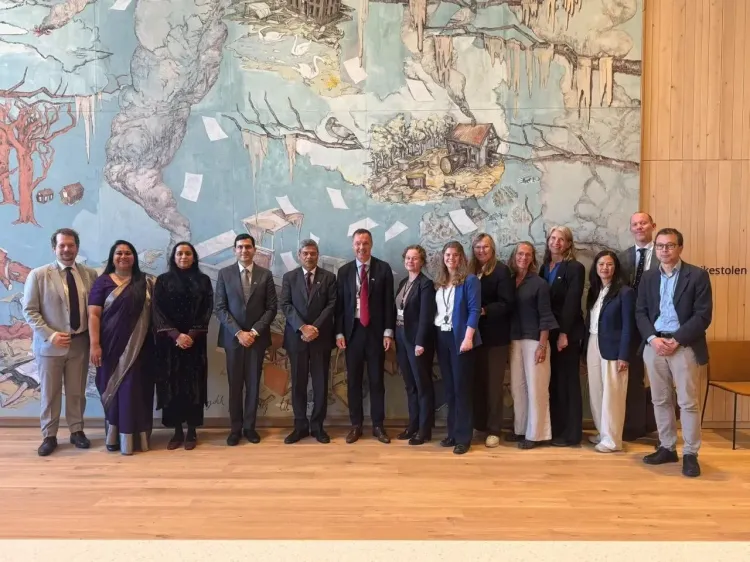
India and Norway held the 12th Meeting of the Joint Working Group on Environment in Oslo on 10–11 September 2026 .
The Indian delegation was led by Secretary Tanmay Kumar , Ministry of Environment, Forest and Climate Change .
Talks covered plastic pollution, circular economy, carbon markets, climate emissions, and sustainable ocean management.
The meeting operationalises the Green Strategic Partnership upgraded during PM Modi's visit to Norway in May 2026 .
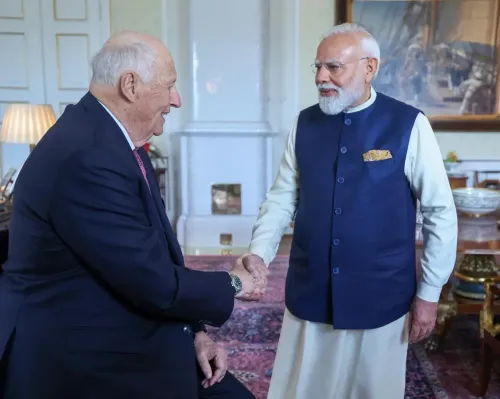
Norway joined the Indo-Pacific Oceans Initiative during PM Modi's May visit; he was also awarded the Grand Cross of the Royal Norwegian Order of Merit .
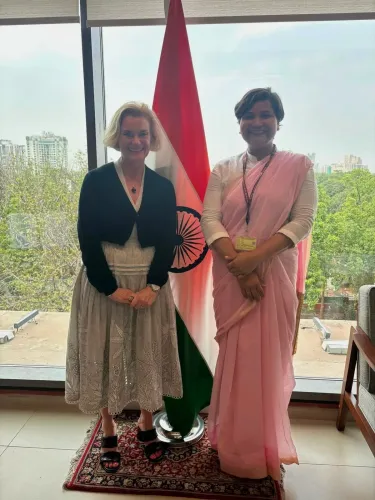
A June 2026 meeting between Ambassador May-Elin Stener and Joint Secretary Aparna Ray (MEA) further reinforced bilateral momentum ahead of the Oslo environment talks.
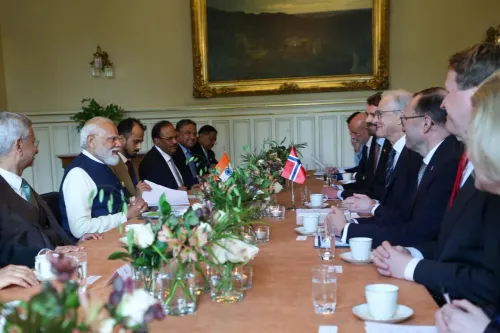
India and Norway held the 12th Meeting of the Joint Working Group on Environment in Oslo on 10–11 September 2026, reaffirming their shared commitment to deepening environmental and climate cooperation under the Green Strategic Partnership. The bilateral dialogue spanned plastic pollution, circular economy, carbon markets, and sustainable ocean management, according to a statement from the Indian Embassy in Norway.
What Was Discussed
The Indian delegation was led by Secretary Tanmay Kumar of the Ministry of Environment, Forest and Climate Change. Talks covered a broad spectrum of environmental priorities — from marine pollution and chemical hazards to waste recycling and climate emissions. The Indian Embassy noted that 'the discussions focused on plastic pollution, circular economy, climate change, emissions, carbon markets and sustainable ocean management.'
The meeting also reviewed the status of existing bilateral cooperation programmes in marine pollution, environmental research, and ocean governance — areas where the two countries have been engaged for over a decade.
The Green Strategic Partnership: A Deeper Framework
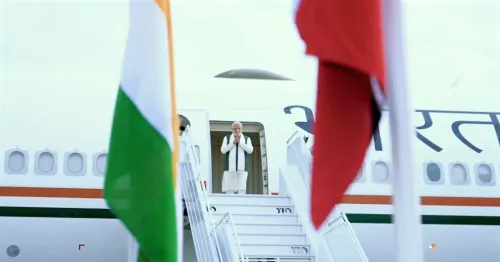
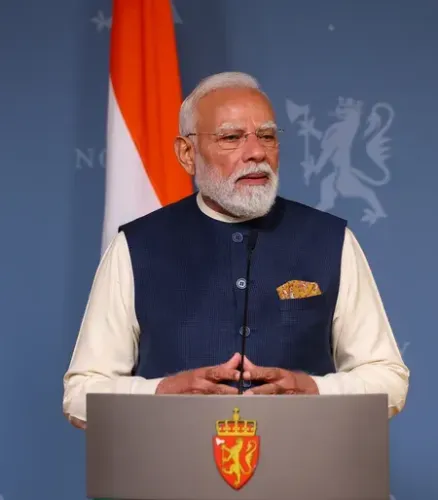
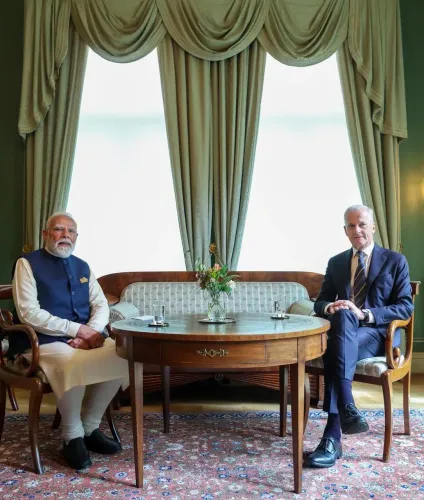
The Joint Working Group meeting builds on a significant diplomatic milestone: Prime Minister Narendra Modi's two-day official visit to Norway in May 2026, during which he and Norwegian counterpart Prime Minister Jonas Gahr Store upgraded bilateral ties to a Green Strategic Partnership. That visit also saw PM Modi participate in the India-Nordic Summit and address the Business and Research Summit, where he invited Norwegian investment in India's clean energy sector.
Modi posted on X that the partnership 'will deepen synergy in clean energy, sustainable growth, the blue economy, green shipping and more.' Notably, Norway also joined the Indo-Pacific Oceans Initiative during the visit. PM Modi was additionally conferred with Norway's top civilian honour, the Grand Cross of the Royal Norwegian Order of Merit, during the trip.
Diplomatic Momentum Through 2026
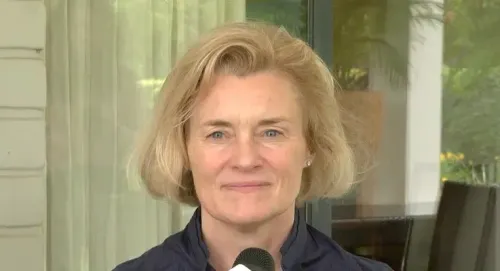
The September environment talks are one of several high-level exchanges this year. In June 2026, Norway's Ambassador to India May-Elin Stener met Joint Secretary Aparna Ray of the Ministry of External Affairs (MEA) to discuss evolving global priorities and ways to strengthen the multifaceted bilateral partnership. Ambassador Stener described the talks as constructive and expressed keenness to continue close cooperation.
This sustained cadence of engagement — from heads of government to working-level groups — signals that the Green Strategic Partnership is being operationalised across multiple ministerial channels, not merely announced as a diplomatic headline.
Why This Matters for India
Norway is a recognised global leader in ocean governance, marine research, green shipping, and sovereign wealth management, giving the partnership strategic value for India's own blue economy ambitions. India's push to meet its climate commitments under the Paris Agreement — including its updated Nationally Determined Contributions (NDCs) — benefits from technology partnerships with Nordic nations. The circular economy and plastic pollution agenda, highlighted at the Oslo meeting, also aligns with India's domestic Extended Producer Responsibility (EPR) frameworks.
What Comes Next
The two sides are expected to advance specific cooperation projects in ocean management and carbon markets following the working group's recommendations. With global negotiations on a UN Plastics Treaty ongoing, India-Norway collaboration on plastic pollution could feed into India's broader multilateral positions. The Green Strategic Partnership's implementation roadmap will likely be the focus of subsequent diplomatic-level reviews.
Point of View
Whether Norwegian maritime technology actually flows into India's blue economy, and whether the plastic pollution discussions contribute to India's UN Plastics Treaty negotiating position. India has a history of robust bilateral environment frameworks that stall at implementation; Norway, with its sovereign-fund discipline and deep ocean-governance expertise, is one partner where follow-through is more plausible. The true test arrives at the 13th meeting.
NationPress
22 Sept 2026
Frequently Asked Questions
What was discussed at the 12th India-Norway Joint Working Group on Environment?
The meeting, held in Oslo on 10–11 September 2026, covered plastic pollution, circular economy, climate change, carbon markets, emissions, and sustainable ocean management. It also reviewed ongoing bilateral cooperation in marine pollution, environmental research, chemical pollution, and waste recycling.
What is the India-Norway Green Strategic Partnership?
It is an upgraded bilateral framework formalised during PM Narendra Modi's two-day visit to Norway in May 2026, aimed at deepening cooperation in clean energy, blue economy, green shipping, and sustainable development. It replaced the earlier standard bilateral partnership and now serves as the umbrella for environment and climate engagements.
Why did PM Modi visit Norway in May 2026?
PM Modi visited Norway to participate in the India-Nordic Summit and hold bilateral talks with Norwegian Prime Minister Jonas Gahr Store, during which the two countries upgraded ties to a Green Strategic Partnership. He was also conferred Norway's top civilian honour, the Grand Cross of the Royal Norwegian Order of Merit, during the visit.
Who led India's delegation at the Oslo environment meeting?
Secretary Tanmay Kumar of India's Ministry of Environment, Forest and Climate Change led the Indian delegation at the 12th Joint Working Group meeting in Oslo.
What is the significance of Norway joining the Indo-Pacific Oceans Initiative?
Norway's membership of the Indo-Pacific Oceans Initiative, announced during PM Modi's May 2026 visit, signals Oslo's alignment with India's ocean governance architecture in the Indo-Pacific. It strengthens the foundation for joint work on sustainable fisheries, marine pollution, and blue economy development discussed at the September working group meeting.