India Ensures Safe Passage of Ships Through the Strait of Hormuz, Says MEA
Synopsis
In a recent announcement, the MEA confirmed that four LPG-laden ships have reached India after crossing the Strait of Hormuz. The ministry is actively coordinating with other nations to ensure the safe transit of vessels critical for India's energy requirements.
Key Takeaways
MEA confirms four LPG ships have reached India.
Ongoing communication with nations ensures safe transit.
No fuel shortages reported across the country.
India maintains a robust crude oil reserve capacity.
Energy procurement strategy focuses on market dynamics.
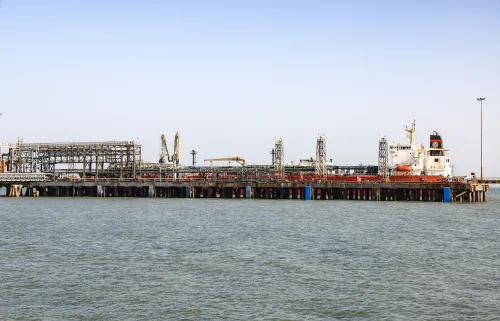
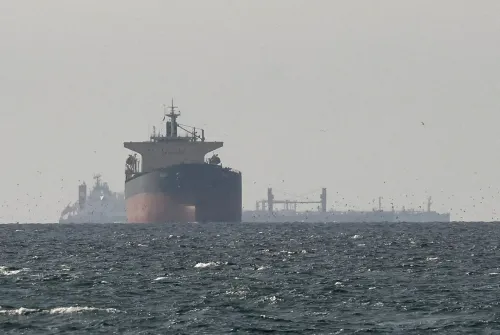
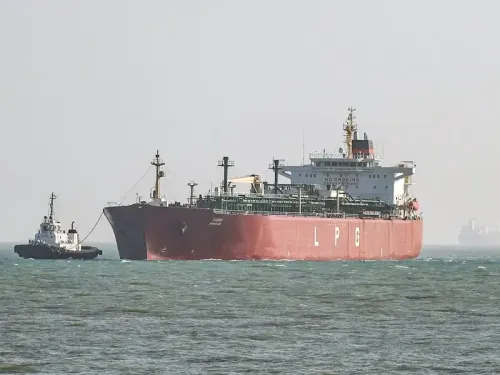
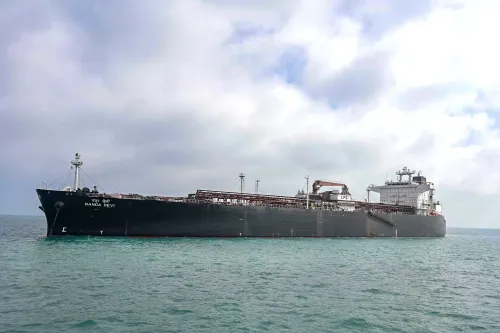
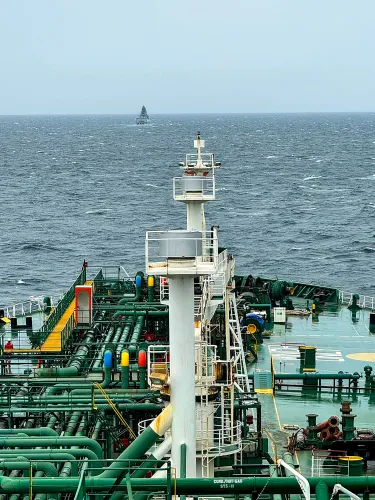
New Delhi, March 27 (NationPress) - The Ministry of External Affairs (MEA) announced that four ships carrying LPG have successfully reached India after navigating the Strait of Hormuz. They assured that New Delhi maintains communication with relevant nations to guarantee the safe passage of its vessels, crucial for fulfilling its energy demands.
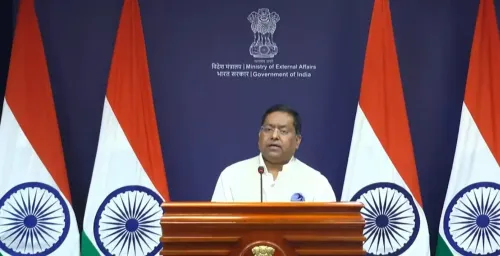
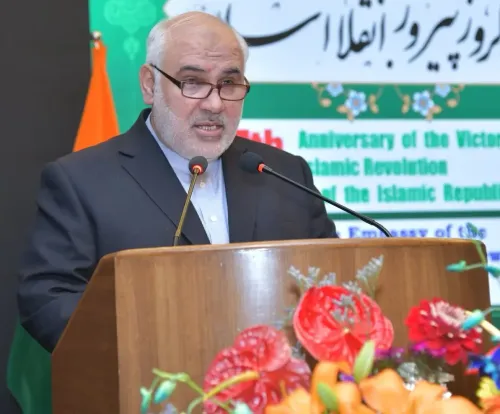
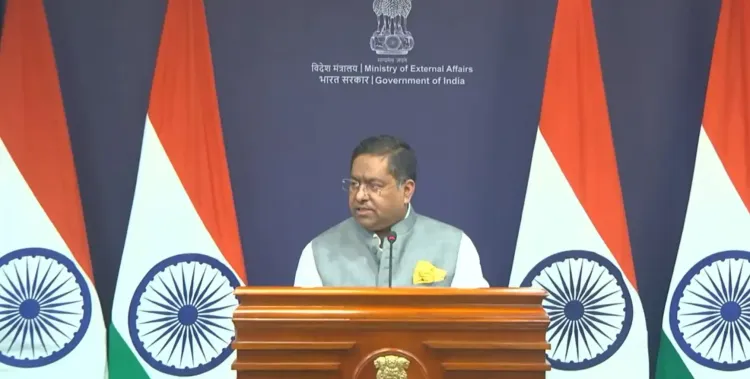
During a weekly press briefing on Friday, MEA spokesperson Randhir Jaiswal emphasized that India's energy sourcing strategy prioritizes securing the needs of its 1.4 billion citizens, while also considering market dynamics and the global context.
When queried about the number of ships arriving from the Strait of Hormuz, Jaiswal stated, "We have previously updated you about the Indian ships that have traversed the Strait of Hormuz. Four ships carrying LPG have successfully arrived in India after safely crossing the Strait of Hormuz a few days ago. We remain in contact with all necessary countries to ensure the safe transit of our vessels to meet our energy needs."
The ongoing conflict in West Asia has heightened concerns regarding regional stability and global energy markets, particularly given the strategic significance of the Strait of Hormuz, a vital oil shipping route.
In response to inquiries about reports suggesting that India sought U.S. approval for importing LPG or LNG from Russia, Jaiswal replied, "You are aware of our broad approach to meeting our energy needs. Our strategy focuses on securing the requirements of our population, market dynamics, and the current global situation. These three factors are crucial for our decision-making process regarding energy sourcing. For specific details about our oil procurement, it would be best to consult the Ministry of Petroleum, as they would provide more accurate information."
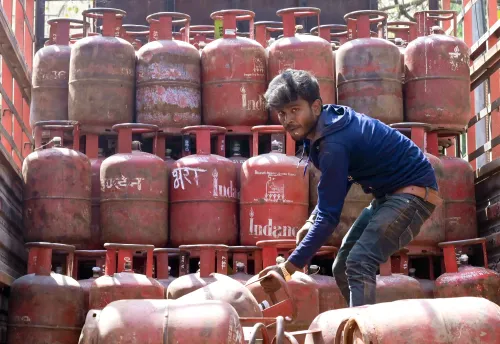
The government reassured that the supply of petroleum and LPG is stable, with no shortages of petrol, diesel, or LPG throughout the country. Retail outlets are well-stocked and dispensing fuel without disruptions.
As the fourth largest refiner and fifth largest exporter of petroleum products globally, India's domestic supply is structurally guaranteed, according to the Ministry of Petroleum.
While other nations declare "National Energy Emergencies" or impose rationing, India has no need for such drastic measures.
The government has criticized a "deliberately misleading" campaign on social media, asserting that isolated instances of congestion at petrol stations were fueled by fabricated videos, not genuine shortages. Oil company depots have operated overnight to ensure continuous supply.
Despite challenges at the Strait of Hormuz, India is receiving an increased volume of crude oil from its 41+ global suppliers compared to pre-disruption levels.
High supplies from the western hemisphere have effectively compensated for any shortfalls, with every Indian refinery currently operating above 100% capacity.
Contrary to claims of a mere six-day stock, India boasts a total reserve capacity of 74 days, with current stock levels providing coverage for approximately 60 days. This includes crude stocks, product reserves, and dedicated strategic storage in caverns.
The Petroleum Ministry has confirmed that crude procurement for the next 60 days is already secured.
Frequently Asked Questions
What has the MEA said regarding the safety of ships?
The MEA has stated that they are in contact with relevant countries to ensure the safe transit of Indian ships through the Strait of Hormuz.
How many ships carrying LPG have reached India?
Four ships laden with LPG have successfully arrived in India after crossing the Strait of Hormuz.
Is there any shortage of LPG or petrol in India?
The government has assured that there is no shortage of petrol, diesel, or LPG in the country, and retail outlets are well-stocked.
What is India's reserve capacity for crude oil?
India has a total reserve capacity of 74 days, with current stocks providing coverage for approximately 60 days.
What is the current status of India's energy procurement?
Crude procurement for the next 60 days has already been secured, ensuring a stable energy supply.