Giriraj Singh Highlights 71% Drop in Toy Imports, Exports to 153 Nations
Synopsis
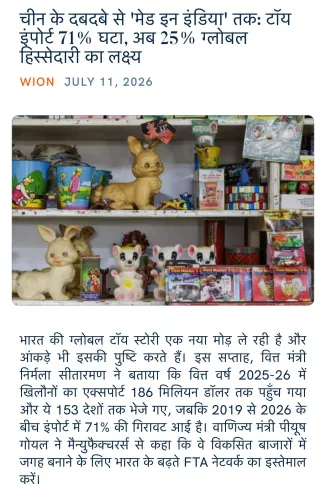
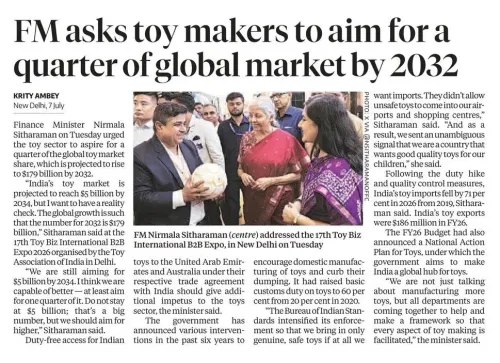
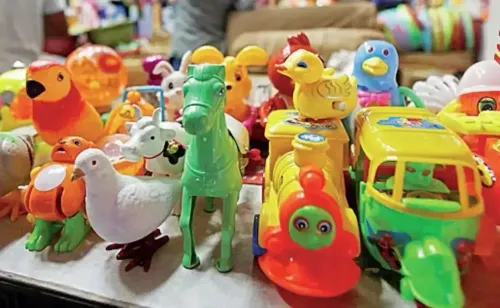
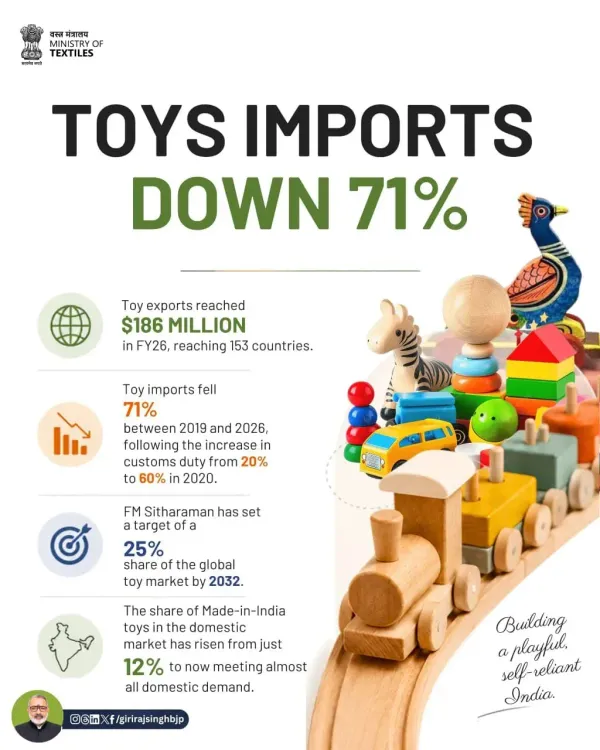
Union Textiles Minister Giriraj Singh has highlighted a 71 per cent fall in toy imports between 2019 and 2026 and the export of Indian toys to 153 countries, crediting Atmanirbhar Bharat and Make in India policies for transforming the domestic toy sector.
Key Takeaways
Toy imports fell by 71 per cent between 2019 and 2026 , according to Union Textiles Minister Giriraj Singh .
Indian toys are now exported to 153 countries , reflecting significant market diversification.
The Toys (Quality Control) Order, 2020 mandating BIS certification was a key policy lever behind the import decline.
The turnaround is attributed to the combined framework of Make in India (2014) and Atmanirbhar Bharat (2020).
Toy MSMEs and domestic exporters are the primary beneficiaries, with gains in both production scale and employment.
Upcoming Commerce Ministry trade data and any new PLI allocations for toys will be the next key indicators to watch.
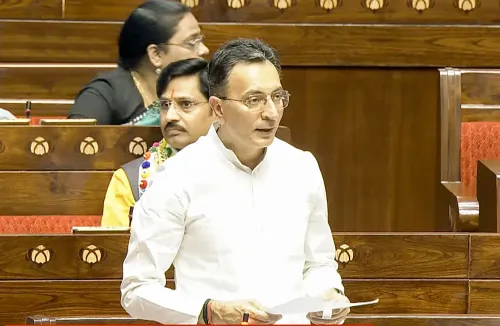
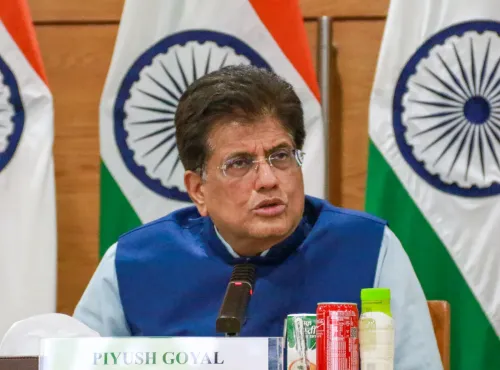
Union Textiles Minister Giriraj Singh on Monday, 20 July 2026 highlighted India's growing strength in the toy industry, citing a 71 per cent reduction in toy imports between 2019 and 2026 and the reach of Indian-made toys to 153 countries as evidence of the country's expanding global footprint in the sector.
Posting on X, the Minister wrote in Hindi: 'Toy industry mein Bharat ki badhti taakat Atmanirbhar Bharat ke sankalp ko nayi gati de rahi hai' — ['India's growing strength in the toy industry is giving new momentum to the resolve of Atmanirbhar Bharat.'] He added that domestic manufacturing policies have given fresh energy to local industry and employment.
Context
India's toy sector has been a focal point of the government's import-substitution drive since 2019. The Toys (Quality Control) Order, 2020 made Bureau of Indian Standards (BIS) certification mandatory for all toys sold in India, raising the compliance bar for cheaper imports — particularly from China — and giving domestic manufacturers a competitive edge.
The order was a deliberate policy lever: by enforcing safety and quality standards, the government simultaneously protected consumers and shielded Indian producers from a flood of low-cost foreign goods. The results, as cited by Giriraj Singh, suggest the strategy has yielded measurable trade outcomes over a seven-year window.
Policy Backdrop
The toy sector's turnaround sits at the intersection of two flagship programmes. Make in India, launched in September 2014, set the early framework for attracting manufacturing investment across consumer-goods categories. Atmanirbhar Bharat, announced in May 2020, sharpened that focus into an explicit import-reduction agenda, with toys among the sectors earmarked for revival.
Together, these initiatives encouraged investment in toy clusters — particularly in states such as Uttar Pradesh, Karnataka, and Maharashtra — and supported small and medium enterprises through easier credit access and infrastructure support. The export diversification to 153 countries, as cited by the Minister, reflects a parallel push to open new markets beyond traditional destinations.
Stakeholders and Impact
The primary beneficiaries of the policy shift are toy MSMEs (micro, small and medium enterprises), which form the backbone of India's domestic toy manufacturing base. Reduced import competition has allowed these units to scale production, invest in design, and hire more workers — directly supporting the employment objectives of both Make in India and Atmanirbhar Bharat.
Indian exporters have also gained from the government's trade diversification push, with markets across Asia, Africa, Europe, and the Americas now receiving Indian toys. For consumers, the quality-control regime has meant safer products on shelves, even as domestic alternatives have grown in variety and volume.
What's Next
Attention will now turn to the Commerce Ministry's upcoming quarterly trade data, which will offer an independent read on the import and export figures cited by the Minister. Any fresh Production Linked Incentive (PLI) allocations for the toy sector or related light-manufacturing clusters would be the next significant policy signal to watch.
If the trend of rising exports and falling imports holds through the remainder of 2026, India's toy industry could emerge as a template for how targeted quality regulation, combined with manufacturing incentives, can reshape a sector's competitive position within a single decade.
Point of View
If borne out by official data, would represent one of the more striking sectoral outcomes of India's quality-control-led import substitution strategy. The choice to highlight export reach alongside import decline is significant: it signals that the government's ambition has moved beyond mere protection of the domestic market toward positioning India as a credible global supplier. This fits a broader pattern in which the ruling establishment uses light-manufacturing success stories to build the narrative of industrial self-reliance as a governing achievement.
NationPress
20 Oct 2026
Frequently Asked Questions
Have toy imports really fallen by 71 per cent in India?
Union Textiles Minister Giriraj Singh has cited a 71 per cent reduction in toy imports between 2019 and 2026, attributing it to quality-control regulations and domestic manufacturing incentives. Official Commerce Ministry trade data would be the authoritative source to confirm this figure.
Which countries import Indian toys?
According to Giriraj Singh, Indian toys are now exported to 153 countries. While the Minister did not specify individual markets, India's toy export push under Make in India and Atmanirbhar Bharat has targeted buyers across Asia, Africa, Europe, and the Americas.
What is the Toys Quality Control Order 2020?
The Toys (Quality Control) Order 2020 is a government notification that made Bureau of Indian Standards (BIS) certification mandatory for all toys sold in India. It was designed to raise safety standards and reduce the influx of low-cost, uncertified imported toys.
What is Atmanirbhar Bharat and how does it relate to toys?
Atmanirbhar Bharat is a self-reliance initiative announced in May 2020 to reduce India's dependence on imports and boost domestic production. The toy sector was one of the focus areas, with quality controls and manufacturing incentives introduced to support local producers.
What is Giriraj Singh's role in India's toy industry?
Giriraj Singh is India's Union Minister of Textiles, a portfolio that covers certain light-manufacturing and handicraft-adjacent sectors. He is a senior BJP leader and Lok Sabha MP from Begusarai, Bihar, and has been vocal about promoting domestic manufacturing under Make in India.