How Does the India-US Trade Deal Enhance Gujarat’s Pharma Exports?

Synopsis
In a pivotal moment for India’s pharmaceutical industry, the interim trade agreement with the US promises significant tariff reductions. This development not only strengthens Gujarat’s export potential but also positions India as a key player in the global pharmaceutical market. Discover how these changes could reshape the industry landscape.
Key Takeaways
Interim trade agreement between India and the US provides tariff relief on pharmaceuticals.
India exports significant volumes of generic medicines , enhancing its global market position.
Lower labor costs in India lead to cheaper drug production .
The agreement aims to reduce non-tariff barriers and improve regulatory cooperation.
Future trade agreements with the EU are also in consideration for further exports.
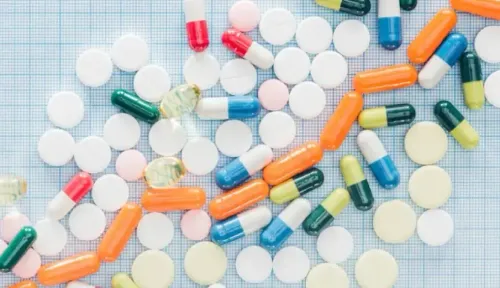
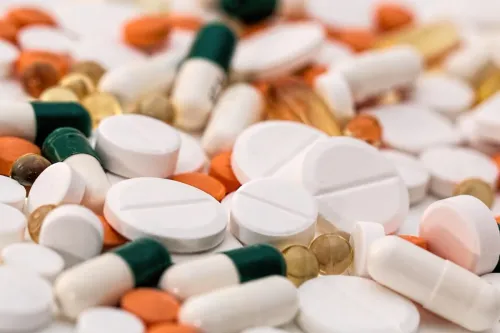
Surat, Feb 10 (NationPress) The pharmaceutical sector in India has expressed enthusiasm over the recent interim trade agreement framework established between India and the United States, which provides tariff reductions on medications and various other Indian exports.
Ketan Zota, the chairman of Zota Healthcare and Dawa India, remarked that the Indian pharmaceutical industry maintained its confidence throughout the discussions, considering its vital role in the global medicine supply chain.
“Due to the lower labor costs prevalent in India, the production of pharmaceuticals is more economical, which is beneficial for the U.S.,” he stated in an interview with IANS.
He pointed out India’s significant export capabilities, mentioning, “India houses the largest U.S. Food and Drug Administration-approved manufacturing facility outside the U.S., exporting considerable amounts of generic, life-saving, and chronic disease medications, including those for diabetes, thyroid issues, and hypertension.”
Characterizing India’s achievement in the trade deal as a “significant victory,” Zota highlighted that the United States had never previously shown flexibility regarding tariffs.
“Prime Minister Narendra Modi effectively negotiated favorable conditions through proper channels. The volume of exported medicines from India is attributable to lower labor costs, resulting in reduced prices for the U.S.,” he added.
The interim framework, unveiled earlier this month, aims to recalibrate tariffs and establish clearer trade regulations between the two nations.
Under this agreement, the United States has pledged to lower tariffs on Indian exports, which encompass pharmaceuticals, textiles, gems, and aircraft parts, with certain categories potentially achieving duty-free status upon full implementation.
The framework also intends to tackle non-tariff barriers and enhance regulatory collaboration, providing greater certainty for exporters and fostering long-term trade relationships.
Zota also mentioned the expected trade agreement between India and the European Union, describing it as “immensely advantageous” for Indian pharmaceutical exporters.
“Export duties have been reduced to zero percent, and there is an expectation of increased cooperation in technology, business, and trade,” he noted.
“Pharmaceuticals will be manufactured in India, leveraging lower labor costs, which benefits both producers and global consumers,” he highlighted.
India continues to be the foremost supplier of generic medications to the United States, with the pharmaceutical sector remaining a focal point of the country's international trade profile.
The interim trade agreement is anticipated to bolster India's standing in the global pharmaceutical arena while providing enhanced clarity and stability for future exports.
Point of View
I believe this trade agreement signifies a monumental shift for the Indian pharmaceutical industry. With the backing of the government and the strategic negotiation led by Prime Minister Modi, India is poised to enhance its export capabilities significantly, benefiting both producers and consumers globally. This is a step towards a more collaborative global trade environment.
NationPress
13 Sept 2026
Frequently Asked Questions
What is the significance of the trade agreement?
The interim trade agreement between India and the US is significant as it offers tariff relief on medicines and enhances export opportunities for the Indian pharmaceutical sector.
How will this affect the prices of medicines in the US?
With lower tariffs on Indian pharmaceuticals, prices for medicines in the US are expected to decrease, benefiting consumers.
What does this mean for India's pharmaceutical exports?
This agreement is likely to strengthen India's position as a leading supplier of generic medicines globally, expanding its export potential.
Who benefits from this agreement?
Both Indian pharmaceutical companies and US consumers stand to benefit from reduced costs and increased access to essential medicines.
Are there any plans for future trade agreements?
Yes, discussions are ongoing for a potential trade agreement between India and the European Union, which could further benefit Indian pharmaceutical exporters.