India wins FATF Vice-Presidency for 1st time; Vivek Aggarwal elected
Synopsis
For the first time ever, India holds the Vice-Presidency of the FATF — the body that decides which countries face global financial scrutiny. The election of IAS officer Vivek Aggarwal is more than a ceremonial milestone; it positions India to actively shape international rules on virtual assets and digital payments at a moment when those rules are still being written.
Key Takeaways
India has secured the FATF Vice-Presidency for the first time in its history, as announced on 20 June .
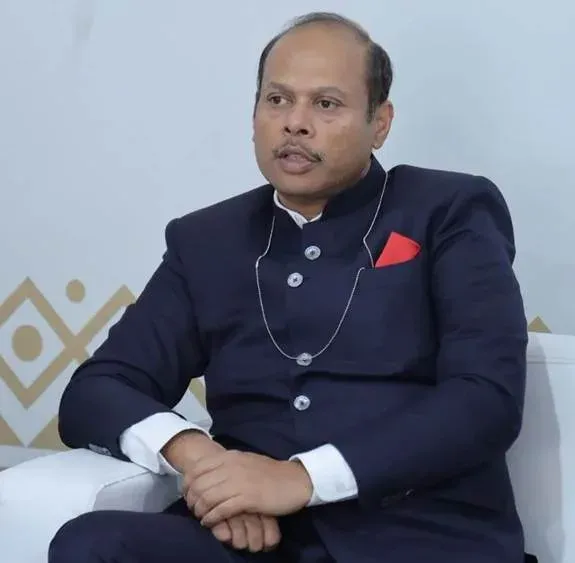
Vivek Aggarwal , Secretary in the Ministry of Culture and a 1994-batch IAS officer (Madhya Pradesh cadre) , has been elected to the post.
The appointment builds on India's strong performance in its most recent FATF Mutual Evaluation .
India's role in shaping global policy on virtual asset service providers and digital payments was cited as a key factor.
Revenue Secretary Arvind Shrivastava called it 'a proud milestone' for India's commitment to the international financial system.
The FATF oversees a global network of more than 200 jurisdictions and sets standards on anti-money laundering and counter-terrorist financing.
India has secured the Vice-Presidency of the Financial Action Task Force (FATF) for the first time in its history, with Vivek Aggarwal, Secretary in the Ministry of Culture, elected and appointed to the role, according to an official statement issued on 20 June. The appointment places an Indian official at the apex of the Paris-based global standard-setting body for anti-money laundering and counter-terrorist financing.
A Historic First for India
This marks the first occasion that India has held the Vice-Presidency of the FATF, which sets international standards to combat money laundering, terrorist financing, and the financing of proliferation across a global network of more than 200 jurisdictions. The Vice-President is elected by the FATF Plenary from among its members and assists the President in steering the organisation's mandate. The FATF Presidency runs on a two-year term.
Aggarwal, a 1994-batch Indian Administrative Service (IAS) officer from the Madhya Pradesh cadre, expressed gratitude on the appointment. 'This appointment is a recognition of India's collective effort and of the strength of our anti-money-laundering and counter-terrorist-financing framework. I am deeply honoured to serve, and look forward to working with the FATF Global Network to keep the international financial system safe, inclusive and resilient,' he said.
What the Appointment Signals
The Finance Ministry's official statement noted that India's elevation to the Vice-Presidency 'reflects the credibility and trust the country has earned within the FATF Global Network.' It builds directly on India's strong performance in its most recent Mutual Evaluation — the FATF's peer-review process that assesses a country's compliance with global financial integrity standards.
Notably, the appointment also recognises India's sustained contribution to shaping global policy on emerging risks, including those associated with virtual asset service providers and digital payments — two areas where India has been an active standard-setter given the rapid growth of its domestic fintech ecosystem.
Government's Response
Arvind Shrivastava, Revenue Secretary, described the development as 'a proud milestone' and reaffirmed India's continued commitment to strengthening the integrity of the international financial system. The statement underscores the Centre's framing of the appointment as a collective national achievement rather than an individual honour.
What the FATF Is and Why It Matters
The Financial Action Task Force (FATF) is the Paris-based inter-governmental body that establishes the global rulebook for preventing illicit financial flows. Countries on its 'grey list' or 'black list' face heightened scrutiny from banks and investors, with material consequences for foreign investment and correspondent banking relationships. India was removed from the FATF's enhanced monitoring process in 2023, and this Vice-Presidency signals a consolidation of that improved standing on the world stage.
What Comes Next
Aggarwal is expected to work towards solidifying India's leadership role within the FATF forum during his tenure. With digital finance and virtual assets increasingly on the FATF's agenda, India's position at the Vice-Presidency level could allow it to shape emerging global norms in areas directly relevant to its own rapidly evolving financial landscape.
Point of View
Its exit from FATF enhanced monitoring in 2023. But the real opportunity lies ahead: the FATF is actively drafting standards for virtual assets and digital payments, two domains where India's scale gives it both a stake and a credibility edge. Whether New Delhi converts a ceremonial first into durable rule-shaping influence will depend on how actively Aggarwal's office engages the Plenary process, not just the optics of the appointment.
NationPress
19 Sept 2026
Frequently Asked Questions
What is the FATF Vice-Presidency that India has won?
The Financial Action Task Force (FATF) Vice-Presidency is a leadership role within the Paris-based inter-governmental body that sets global standards to combat money laundering and terrorist financing. The Vice-President is elected by the FATF Plenary and assists the President in steering the organisation's work across a network of more than 200 jurisdictions.
Who is Vivek Aggarwal, India's new FATF Vice-President?
Vivek Aggarwal is a 1994-batch Indian Administrative Service officer from the Madhya Pradesh cadre, currently serving as Secretary in the Ministry of Culture. He was elected by the FATF Plenary to serve as Vice-President — the first Indian to hold this position.
Why is this FATF appointment significant for India?
It is the first time India has held the FATF Vice-Presidency, reflecting the credibility India has built within the global financial integrity network. It follows India's strong performance in its most recent Mutual Evaluation and its exit from FATF enhanced monitoring in 2023.
What areas will India focus on during its FATF Vice-Presidency?
According to the official statement, India is expected to contribute to global policy on emerging risks, particularly those linked to virtual asset service providers and digital payments — areas of growing FATF focus and domains where India has significant domestic experience.
How long does the FATF Vice-Presidency term last?
The FATF Presidency — and by extension the Vice-Presidency that supports it — runs on a two-year term, during which the Vice-President assists the President in carrying out the organisation's mandate.