Has the Indian Army Established a Full-Scale Field Hospital in Flood-Hit Sri Lanka Under Op Sagar Bandhu?
Synopsis
In a remarkable display of humanitarian commitment, the Indian Army has set up a fully operational field hospital in flood-ravaged Sri Lanka under Operation Sagar Bandhu, providing essential medical aid to thousands. This initiative highlights the collaborative spirit between India and Sri Lanka during times of crisis.
Key Takeaways
Indian Army establishes a fully operational field hospital in Sri Lanka.
Over 5,000 patients treated since the hospital's inauguration.
Collaboration with Sri Lankan authorities enhances disaster response.
Utilization of modern technology for efficient operations.
Commitment to humanitarian aid strengthens ties between India and Sri Lanka.
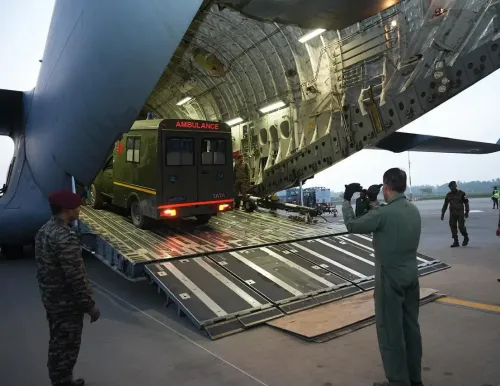
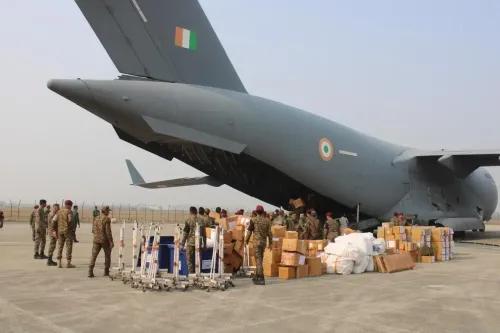
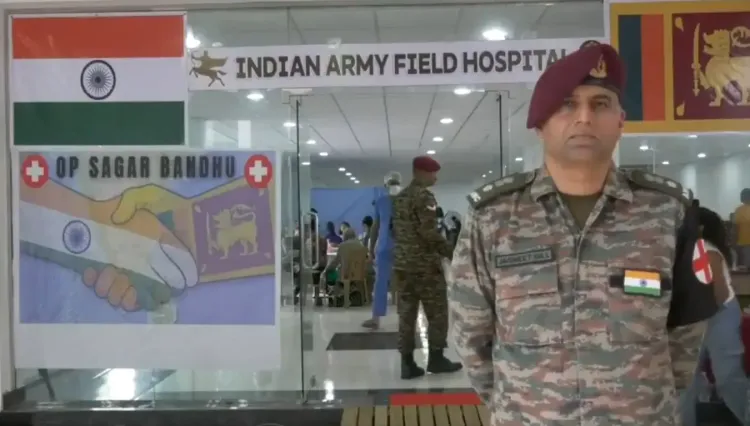
New Delhi/Colombo, Dec 11 (NationPress) The Indian Army unit assigned to Sri Lanka under Operation Sagar Bandhu has successfully set up and operationalized a fully functional field hospital in one of the most severely affected areas ravaged by floods, delivering immediate medical assistance to countless impacted residents.
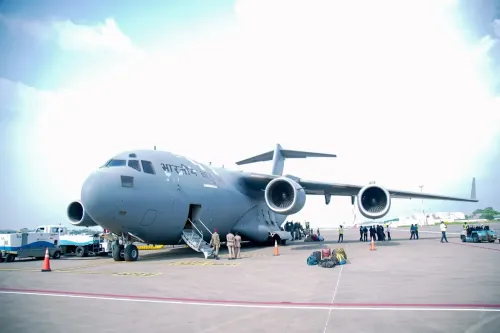
Upon their arrival in Colombo, the team embarked on a challenging 18-hour trek to reach the disaster area, overcoming washed-out roads, collapsed structures, and widespread communication failures.
Upon reaching their destination, the only feasible location for the hospital was an empty parking lot, with interrupted electricity, inconsistent water supply, and severely compromised communication networks -- circumstances that would have stalled any conventional medical response.
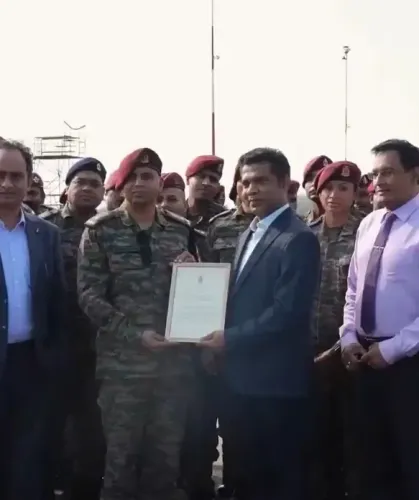
Lt Col Jagneet Gill, the Contingent Commander of the Indian Army team deployed under Operation Sagar Bandhu in Sri Lanka, emphasized the collaborative spirit of the mission and the mutual dedication of both nations to effective humanitarian aid and disaster-response readiness.
He stressed the Indian Army's commitment to providing medical care to the citizens in need.
By working hand-in-hand with Sri Lankan officials, the contingent turned these obstacles into opportunities through rapid coordination and expert technical skills.
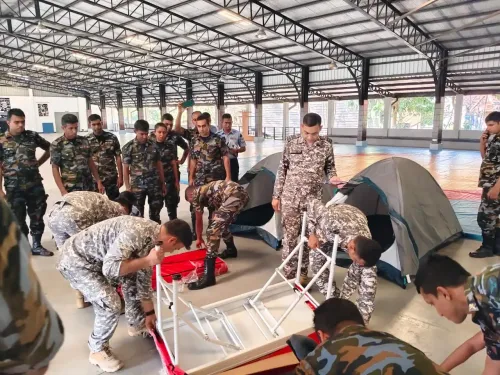
Army engineers and medical staff labored through the night to construct fully operational shelters, integrating portable generators to support critical care units, surgical operations, and life-saving procedures.
They worked alongside district leaders to secure a consistent water supply and established a dedicated communication center, restoring real-time connectivity with Indian agencies and local authorities for efficient logistical management.
To expedite the deployment process, the team also utilized modern technologies. Surveillance drones were deployed for aerial mapping, aiding in the hospital layout planning in flood-affected areas. HVAC-equipped medical tents facilitated the quick establishment of a sterile and fully functioning operating theatre.
Specialized equipment for blood and sample transport significantly decreased diagnostic turnaround times, enhancing patient outcomes.
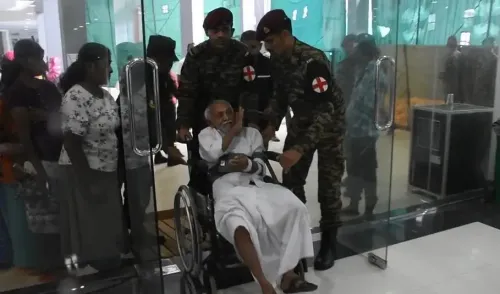
In just a matter of days, the field hospital evolved into a comprehensive multi-specialty medical center, providing operating theatre services, X-rays, laboratory operations, dental care, and numerous outpatient departments covering surgery, orthopedics, dental treatment, and family medicine.
With these capabilities, the contingent has already rendered medical assistance to over 5,000 patients, offering both treatment and emotional support to families facing the crisis.
The Medical Task Force comprises 85 members, including specialist doctors, surgeons, engineers, signalers, and logistics personnel. In addition to healthcare, the signal team repaired a damaged optical fiber cable linked to a vital mobile tower, restoring essential communication services for locals.
The contingent is also providing clean water through portable treatment systems and delivering humanitarian aid wherever it is needed.
Through determination, expertise, and compassion, the Indian Army has become a crucial source of support for the citizens of Sri Lanka.
Under Operation Sagar Bandhu, India's dedication to its neighborhood is evident in both empathy and capability, reinforcing the lasting friendship between the two nations.
Point of View
It is essential to recognize the Indian Army's exemplary service in addressing the humanitarian crisis in Sri Lanka. Their efforts under Operation Sagar Bandhu not only showcase their capability and dedication but also reinforce the importance of international collaboration during emergencies. This operation serves as a testament to India's commitment to its neighbors, fostering goodwill and support in times of need.
NationPress
25 Sept 2026
Frequently Asked Questions
What is Operation Sagar Bandhu?
Operation Sagar Bandhu is a humanitarian mission initiated by the Indian Army to provide support and aid to Sri Lanka during natural disasters, particularly floods.
How many patients has the Indian Army treated in Sri Lanka?
The Indian Army has treated over 5,000 patients in Sri Lanka since establishing the field hospital.
What facilities does the field hospital provide?
The field hospital offers multi-specialty medical services including surgical facilities, X-ray and laboratory services, dental care, and outpatient departments.
What challenges did the Indian Army face while setting up the hospital?
The Indian Army faced challenges such as washed-out roads, collapsed infrastructure, and communication outages while establishing the field hospital.
How is the Indian Army supporting local communities beyond medical assistance?
Beyond medical assistance, the Indian Army is supplying potable water and delivering humanitarian aid to those in need.