India's Forex Reserves Positioned to Tackle Rising Global Oil Costs Amid Economic Growth

Synopsis
Amid rising global oil prices due to the Iran conflict, India’s robust foreign exchange reserves and low current account deficit position it to mitigate impacts on domestic energy security. The economy is forecasted for continued growth, supported by strong macroeconomic fundamentals and strategic trade initiatives.
Key Takeaways
India has significant foreign exchange reserves to manage rising oil costs.
Current account deficit stands at a low 0.8% of GDP.
The economy is forecasted for 7.0-7.4% growth in FY27.
Trade initiatives aim to diversify export markets .
Labor market conditions are improving, enhancing employability .
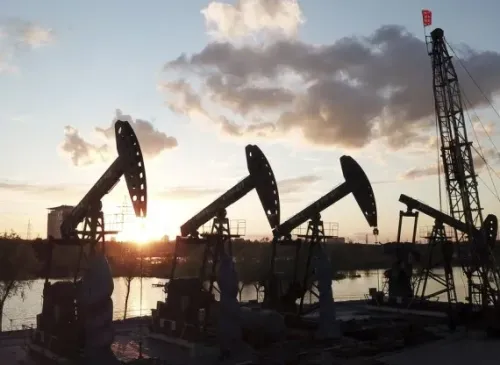
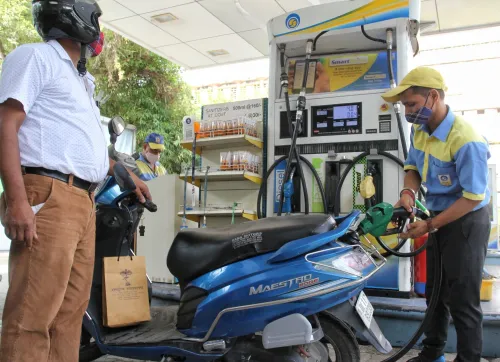
New Delhi, March 6 (NationPress) The ongoing conflict in Iran has pushed Brent crude prices up by approximately 9% to nearly $80 per barrel, while LNG prices have surged by about 50% in the international market. However, India is equipped with ample foreign exchange reserves, a modest current account deficit (CAD) of 0.8% of GDP for H1 FY26, and controlled inflation rates. These factors collectively enable the nation to effectively manage the repercussions of escalating global crude oil prices and maintain its domestic energy security, as detailed in the Finance Ministry’s latest monthly review report released on Friday.
Amidst encouraging trends such as successful trade agreements and a consistent growth rate exceeding 7% over the past three years, the report has revised India's real GDP growth forecast to between 7.0% and 7.4% for FY27.
Global developments, including economic growth patterns, trade dynamics, fluctuations in commodity prices, and geopolitical issues, will continue to influence the economic outlook. Nonetheless, robust macroeconomic foundations and ongoing reform initiatives position the economy favorably for growth, as highlighted in the report.
The external sector remains stable, despite heightened uncertainties in global trade. India's proactive trade diplomacy, marked by advancements in the India-EU FTA, the India-US Interim Trade Arrangement, and the India-Oman CEPA, along with budgetary measures aimed at enhancing trade facilitation, logistics efficiency, and export competitiveness, is anticipated to broaden export markets and fortify external resilience in the medium term, according to the report.
The recent US-Israel military actions in Iran, which resulted in the death of Supreme Leader Ali Khamenei on February 28 and subsequent retaliatory threats, have disrupted shipping routes through the Strait of Hormuz, the world’s most vital oil transit point, accounting for 20% of global oil flows. Damage to critical energy infrastructure in the Middle East marks a significant escalation reminiscent of the oil shocks during the Gulf War of 1991, potentially altering energy geopolitics for years to come, as noted in the report.
Should the crisis continue, it could significantly affect the exchange rate and current account deficit, potentially leading to increased inflationary pressures, despite supportive supply-side dynamics. Diminished capital inflows, driven by a preference for safer investments, may exert pressure on the currency. Furthermore, sectors reliant on LNG and crude oil, such as fertilizers and petrochemicals, could face challenges if the situation persists, the report indicated.
Looking forward, the policy framework set forth in the Union Budget 2026-27 provides a solid foundation for sustaining growth. This framework integrates ongoing fiscal consolidation with persistent capital expenditure and targeted initiatives across manufacturing, agriculture, MSMEs, infrastructure, and human capital development. These strategies are expected to bolster productivity, investment, and employment across various sectors.
The report also emphasizes that India’s labor market conditions have been improving, supported by positive employment trends. Budget initiatives focused on skill development, human capital enhancement, and sector-specific employment strategies are anticipated to further boost workforce participation and improve employability.
Point of View
I recognize that while the global oil market faces turmoil, India's strong economic fundamentals and proactive policies provide a promising outlook. The government's commitment to fostering growth and stability despite external challenges reflects a nation-first approach essential for navigating these uncertain times.
NationPress
26 Sept 2026
Frequently Asked Questions
How are rising oil prices affecting India?
Rising oil prices are increasing costs for consumers and industries, but India’s ample foreign exchange reserves and low current account deficit help mitigate these impacts.
What is the current status of India's economy?
India's economy is projected to grow between 7.0% and 7.4% for FY27, supported by strong fundamentals and successful trade initiatives.
What measures is India taking to improve trade?
India is enhancing trade through active diplomacy and budget initiatives that improve trade facilitation and logistics efficiency.
How does the Iran conflict impact global oil prices?
The Iran conflict has disrupted oil supply, leading to increased prices globally, which affects economies dependent on imported oil.
What are the potential risks to India's economy from the oil crisis?
If the crisis persists, it could lead to inflationary pressures and affect sectors reliant on crude oil and LNG, while also impacting the currency.