India's Oil Reserves and Diverse Imports Ensure Energy Stability Amid Global Disruptions
Synopsis
India's strategic oil reserves and diversified energy imports across 40 countries bolster its resilience against global energy disruptions. The government's proactive measures ensure no energy crisis arises from the Iran war, showcasing India's strong economic fundamentals and diplomatic strategies.
Key Takeaways
India has transformed its energy security through strategic oil reserves and diversified imports.
The country can cover its oil import bills for 5 years with existing forex reserves.
India's inflation rate is among the lowest globally, currently at 2.75%.
Proactive measures have kept petroleum prices stable for consumers.
India has significantly reduced its reliance on Middle Eastern oil supplies.
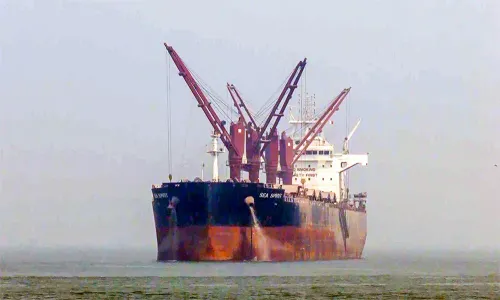
New Delhi, March 12 (NationPress) India's strategic oil reserves, combined with the diversification of its energy imports from over 40 supplier nations, have significantly boosted its ability to withstand global energy disruptions. This enhanced resilience means that the nation is not facing an energy crisis stemming from the Iran war, as stated by a senior government official on Thursday.
The nation boasts strong macroeconomic fundamentals, with sufficient foreign exchange reserves to fund imports for 11 to 12 months. These reserves can comfortably cover the oil import expenses for the next five years. India's strategic crude and petroleum product stocks are adequate to meet market demands for more than 70 days, while the diversification of imports is aimed at reducing reliance on the Middle East.
With a 74-day reserve buffer and sourcing from more than 40 countries, India is positioned ahead of many regional counterparts in managing potential energy shocks in 2026.
The government's multi-faceted approach to this situation showcases its pragmatic economic diplomacy—this includes purchasing Russian crude, invoking the Essential Commodities Act, and diversifying supply routes without compromising national sovereignty.
While the current crisis impacts growth more than inflation, it allows the government and the Reserve Bank of India (RBI) the flexibility to uphold macroeconomic stability.
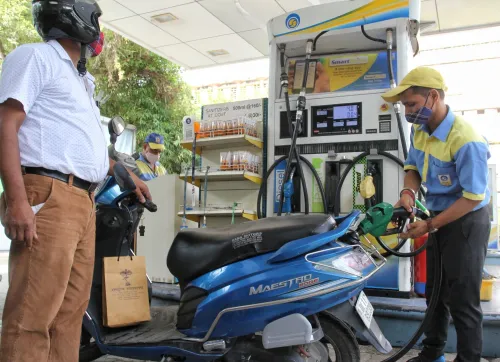
India's inflation rate stands at around 2.75 percent, one of the lowest among major economies. Thanks to Russian crude imports, flexible fuel taxes, and regulated LPG pricing, consumer prices for petroleum products remain stable.
In contrast, Japan's inflation rate has surged to 5 percent, with the country heavily reliant on crude imports through the Straits of Hormuz. India has successfully reduced its dependence on these supplies from around 50 percent to just 20 percent by diversifying its energy imports.
Despite facing Western pressure, India continues to purchase discounted Russian crude, which now accounts for nearly one-third of its total imports. Other countries supplying oil include Iraq, Saudi Arabia, the UAE, and the US, highlighting India's commitment to diversification rather than political alignment.
India maintains a reserve buffer of over two months, while neighboring countries like Pakistan, Bangladesh, and Sri Lanka have only 30 days or less. As a result, Pakistan has experienced a substantial hike in petrol and diesel prices by Rs 55 per litre, while Sri Lanka has also raised fuel prices amidst panic buying, and Bangladesh has resorted to energy rationing.
Point of View
India's strategic oil reserves and diversified energy imports reflect a commendable approach to macroeconomic stability, offering a resilient buffer against global energy crises while prioritizing national interests.
NationPress
27 Sept 2026
Frequently Asked Questions
How does India's oil reserve compare to its neighbors?
India has over a two-month reserve buffer, unlike neighboring countries like Pakistan, Bangladesh, and Sri Lanka, which have reserves of only 30 days or less.
What is the current inflation rate in India?
India's inflation rate is approximately 2.75%, making it one of the lowest among major economies.
What measures has India taken to manage its oil imports?
India has diversified its oil imports from over 40 countries, significantly reducing dependence on the Middle East and increasing resilience against global energy shocks.
What effect does the Iran war have on India's energy supply?
The Iran war has not led to an energy crisis in India, thanks to its ample reserves and diversified import strategy.
How does India's energy strategy affect its macroeconomic stability?
India's energy strategy allows for flexibility in policy-making, helping maintain macroeconomic stability even in challenging global conditions.