India navigating global energy shock successfully, S&P Global finds

Synopsis
S&P Global Energy says India is one of the most resilient major economies amid the West Asia-driven global energy shock — but the same report warns that 76-80 days of inventory cover and domestic coal buffers are a defence, not a strategy. The real test is whether India can move from reactive procurement to a genuine long-term energy security architecture before the next disruption arrives.
Key Takeaways
S&P Global Energy assessed on 18 June that India is successfully navigating the global energy shock triggered by the West Asia crisis .
India's oil ministry reports inventory cover of 76 to 80 days of crude and refined products.
West Asia conflict has pushed imported coal prices up 30 to 40 per cent , raising marginal wholesale power prices.
Domestic coal production and low LNG import dependence have shielded India's power sector from severe disruption.
S&P advises India to shift from procurement-based responses to a long-term energy security strategy, including fixing LPG sourcing vulnerabilities.
Rising AI-driven clean energy demand from Big Tech is positioning India as a potential global data centre hub .
India is successfully managing the pressures of a global energy shock triggered by the West Asia crisis, maintaining energy security through diversified supply chains, robust domestic coal output, and rapidly expanding digital infrastructure, according to S&P Global Energy's latest report released on 18 June. The assessment positions India as one of the more resilient major economies amid ongoing disruptions to international oil and gas flows.
How India Is Holding the Line
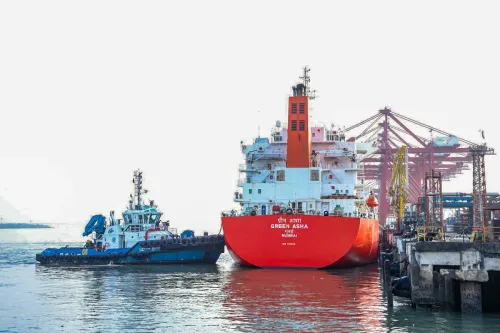
According to the report, Indian refiners are strategically mitigating shipping risks around the Strait of Hormuz — one of the world's most critical energy chokepoints — by diversifying procurement channels. The country's lower dependence on liquefied natural gas (LNG) imports has further insulated its power sector from the worst of the volatility.
Critically, a sustained push for domestic coal production has strengthened India's baseline energy security. Coal continues to serve, in S&P's assessment, as a 'reliable and cost-effective cornerstone' of India's energy system, particularly in an increasingly uncertain global environment. This domestic buffer has also allowed India to pursue its parallel transition to renewable energy without being forced into crisis-mode tradeoffs.
Where the Pressure Is Still Being Felt
The report is not without caution. The West Asia conflict has contributed to a sharp rise in imported coal prices — up 30 to 40 per cent — alongside surging freight costs. These increases have fed into higher marginal power prices in wholesale electricity markets, meaning India has not been entirely shielded from global contagion.
'India has not been entirely insulated from global disruptions. The conflict has contributed to a sharp rise in prices of imported coal and freight costs, which has translated into higher marginal power prices in wholesale electricity markets,' the report stated.
Inventory Buffers and Structural Vulnerabilities
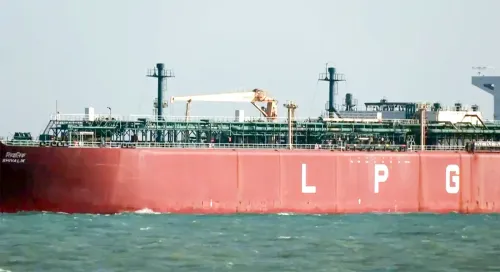
On the supply side, India's oil ministry has indicated that current inventories provide coverage for 76 to 80 days of crude and refined products — a buffer S&P describes as 'more than adequate.' However, analysts cited in the report advise that India must move beyond standard procurement-based approaches toward a more aggressive, long-term energy security strategy. This includes securing alternative supply routes and addressing structural vulnerabilities in LPG sourcing.
AI Boom Adds a New Dimension
The report flags an emerging opportunity: rising artificial intelligence demands are pushing major technology companies to heavily procure clean energy, positioning India as a potential global hub for data centres even amid market volatility. This clean-energy demand signal, the report suggests, could accelerate India's renewables buildout beyond what domestic policy alone might drive.
What Comes Next
S&P's overall verdict is that India's near-term response to the Middle East turmoil has been effective, but that the current posture remains reactive rather than strategic. The coming months will test whether India can translate its resilience into a durable, institutionalised energy security framework — one that can withstand not just the current crisis, but the next one.
Point of View
But the reassurance rests on a fragile foundation: domestic coal and a 76-80 day inventory buffer are crisis absorbers, not energy security. India's structural exposure to LPG import routes and its dependence on coal for baseline power mean that a deeper or longer West Asia disruption could rapidly erode the current comfort margin. The AI-and-data-centre angle is genuinely new — if Big Tech's clean energy procurement accelerates India's renewables buildout, that is a strategic dividend that no government policy alone has managed to unlock at scale. The harder question S&P implicitly raises is whether India's energy governance apparatus can make the leap from competent crisis management to proactive long-term strategy — a leap that successive administrations have announced but not yet institutionalised.
NationPress
19 Sept 2026
Frequently Asked Questions
What does the S&P Global Energy report say about India's energy security?
The report, released on 18 June, concludes that India is successfully managing the global energy shock driven by the West Asia crisis, citing diversified supply chains, strong domestic coal production, and inventory cover of 76 to 80 days of crude and refined products. However, it also warns that India must move beyond reactive procurement toward a long-term energy security strategy.
How has the West Asia crisis affected India's energy costs?
The conflict has driven imported coal prices up by 30 to 40 per cent and pushed freight costs sharply higher, which has fed into elevated marginal power prices in India's wholesale electricity markets. India has not been entirely insulated from these global disruptions, according to S&P.
Why has India's power sector remained relatively stable despite the crisis?
India's power sector has been shielded largely because of its lower dependence on LNG imports and a sustained push for domestic coal production, which together have strengthened baseline energy security. Domestic coal continues to serve as the cost-effective cornerstone of India's grid stability.
What structural vulnerabilities does S&P flag for India?
S&P analysts highlight structural vulnerabilities in India's LPG sourcing and the need to secure alternative supply routes beyond the Strait of Hormuz. The report advises transitioning from standard procurement-based approaches to a more aggressive, long-term energy security framework.
How does the AI boom connect to India's energy outlook?
Rising artificial intelligence workloads are driving major technology companies to procure large volumes of clean energy, which S&P says positions India as an emerging global hub for data centres. This demand signal could accelerate India's renewable energy buildout beyond what domestic policy incentives alone have achieved.