India's energy infrastructure built over 10 years cushioned West Asia crisis
Synopsis
When the Strait of Hormuz shut down, India didn't panic — it managed. A decade of deliberate energy infrastructure work, from widening crude suppliers to 41 nations to reconfiguring refineries for LPG in seven days, meant the crisis was absorbed rather than amplified. The cumulative petrol hike of ₹7.5 per litre tells the story: India came out of a global energy shock with among the lowest pump-price increases of any major economy.
Key Takeaways
India widened crude supplier nations from 27 to 41 , adding Libya , Gabon , Equatorial Guinea , and Guyana while deepening volumes from the US and Russia .
ISPRL strategic reserves stood at 5.33 million tonnes (~3 weeks cover); Chandikhol and Padur expansions aim to extend this to 21 days .
The Centre cut excise duty by ₹10 per litre on petrol and diesel on 27 March 2026 , foregoing approximately ₹1.7 lakh crore in revenue.
Domestic LPG output surged from 35,000 to 54,000 tonnes per day within seven days of the LPG Control Order , covering the import shortfall.
PMUY beneficiaries — over 10.58 crore connections — paid an effective price of ₹642 per 14.2 kg cylinder throughout the crisis.
Commercial and bulk LPG restrictions were lifted on 25 June as supply normalised; indigenous production floor set at 40,000 metric tonnes per day .
India's decade-long investment in energy infrastructure allowed the country to weather the West Asia crisis with far less disruption than most major economies, according to the Petroleum Ministry. The closure of the Strait of Hormuz — ordinarily a chokepoint for a significant share of India's crude imports — was managed as a logistical challenge rather than a supply emergency, a direct consequence of structural reforms put in place over the past ten years.
Crude Supply: Diversification Over Dependence
India's crude sourcing strategy had been quietly reengineered well before the crisis struck. The number of supplier nations widened from 27 to 41, with countries such as Libya, Gabon, Equatorial Guinea, and Guyana added to the roster, while volumes from the United States and Russia were deepened substantially. Routing was adjusted in tandem, so that a materially smaller share of India's crude transited Hormuz compared to earlier in the year.
Strategic reserves held by Indian Strategic Petroleum Reserves Limited (ISPRL) stood at approximately 5.33 million tonnes, providing roughly three weeks of cover. Ongoing expansions at Chandikhol and Padur are set to push that buffer towards 21 days. India was among a small group of nations that kept cargoes moving through the Strait without any shortage of petroleum products. Additionally, ethanol blending reaching 20 per cent provided a structural offset, reducing the volume of crude imports required each year.
Crude prices have since retreated to around $74 per barrel, close to pre-crisis levels, as tanker traffic through the Strait gradually recovers. The ministry noted that a full resumption of traffic will take time given ongoing mine-clearing operations and a large vessel backlog, but said the worst of the supply disruption is now behind the market.
Petrol and Diesel: Shock Absorbed, Not Passed On
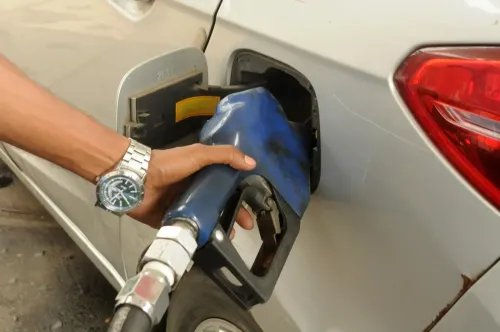
The Centre moved decisively to shield consumers from the crude price spike. On 27 March 2026, it cut central excise duty by ₹10 per litre on both petrol and diesel — reducing the special additional excise on petrol from ₹13 to ₹3 and on diesel from ₹10 to nil. The revenue foregone was estimated at approximately ₹1.7 lakh crore.
State-run marketing companies then held retail prices unchanged for over two months, absorbing a daily under-recovery of roughly ₹1,000 crore at the peak of the crude surge. When a price revision became unavoidable, it was a single increase of ₹3 per litre on 15 May. Measured from the eve of the crisis, India's cumulative petrol price increase of approximately ₹7.5 per litre was among the most restrained of any major economy.
LPG: The Sharpest Test, and the Clearest Response
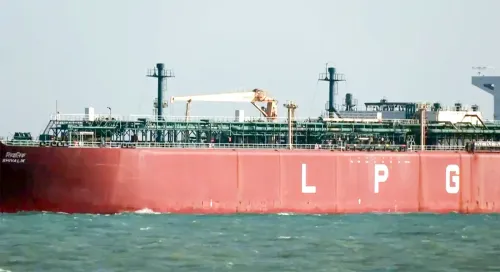
Cooking gas presented the most acute challenge. More than half of the LPG reaching Indian households had been arriving from the Gulf, and that supply dropped sharply — almost overnight — as the crisis deepened. The government's response was swift. The LPG Control Order was issued within eight days of the disruption, directing all refineries to maximise output by diverting propane, butane, propylene, and butene streams.
Within seven days, domestic LPG production climbed from 35,000 to 54,000 tonnes per day — well above the residual import requirement of around 30,000 metric tonnes per day. According to the ministry, refineries that had never previously produced LPG were reconfigured to do so, substantially replacing the import shortfall through domestic output alone.
On price, consumer protection held firm. Even as the import-linked cost of a 14.2 kg cylinder rose above ₹1,600, the regulated household price was held at ₹942. For beneficiaries under the Pradhan Mantri Ujjwala Yojana (PMUY), the effective price remained ₹642 after a direct benefit transfer of ₹300 per refill, covering more than 10.58 crore connections. Domestic LPG prices were eventually raised by just ₹29 per cylinder on 7 June.
Supply Normalisation and What Comes Next
As the supply position improved, the government on 25 June withdrew commercial and bulk LPG restrictions, restoring non-domestic supplies to pre-crisis levels. Refinery diversion of streams was eased, though indigenous production is to be maintained at no less than 40,000 metric tonnes per day as a floor. The episode has reinforced the case for continuing strategic reserve expansion and deepening supply-route diversification — both of which will likely feature in the next phase of energy policy planning.
Point of View
And the numbers do support a creditable response — but the framing deserves scrutiny. The ₹1.7 lakh crore in revenue foregone from excise cuts is real fiscal cost, not a free buffer; it will need to be recovered or absorbed in future budgets. The LPG reconfiguration feat is genuinely impressive, but it also exposes how structurally exposed India's cooking-gas supply remained to a single corridor even after a decade of reform. The Chandikhol and Padur expansions have been 'upcoming' for years — the crisis may finally accelerate them, but the test will be execution timelines, not announcements. India managed the 2026 shock better than most; the question is whether this becomes a permanent structural upgrade or a one-time wartime improvisation.
NationPress
27 Sept 2026
Frequently Asked Questions
How did India avoid a fuel crisis during the West Asia conflict?
India avoided a fuel crisis by drawing on a decade of energy infrastructure work — diversifying crude suppliers from 27 to 41 countries, maintaining ISPRL strategic reserves of 5.33 million tonnes, and rerouting shipments to reduce dependence on the Strait of Hormuz. The government also cut excise duties and directed refineries to maximise LPG output within days of the disruption.
By how much did petrol and diesel prices rise in India during the West Asia crisis?
India's cumulative petrol price increase was approximately ₹7.5 per litre from the eve of the crisis. The Centre cut excise duty by ₹10 per litre on 27 March 2026 and marketing companies absorbed daily under-recoveries of around ₹1,000 crore before a single revision of ₹3 per litre was made on 15 May — among the most restrained increases of any major economy.
How did India manage the LPG shortage during the crisis?
The government issued the LPG Control Order within eight days of the disruption, directing refineries to divert propane, butane, and related streams to boost cooking gas output. Domestic LPG production rose from 35,000 to 54,000 tonnes per day within seven days, exceeding the residual import requirement of around 30,000 metric tonnes per day and largely replacing the import shortfall.
What was the LPG price for households and Ujjwala beneficiaries during the crisis?
Even as the import-linked cost of a 14.2 kg LPG cylinder exceeded ₹1,600, the regulated household price was held at ₹942. Pradhan Mantri Ujjwala Yojana (PMUY) beneficiaries paid an effective price of ₹642 after a direct benefit transfer of ₹300 per refill, covering more than 10.58 crore connections. Domestic LPG prices were raised by just ₹29 per cylinder on 7 June.
What is India's current strategic petroleum reserve capacity?
India's strategic reserves under ISPRL held approximately 5.33 million tonnes during the crisis, providing roughly three weeks of cover. Ongoing expansions at Chandikhol and Padur are expected to extend that buffer to around 21 days once complete.